

Maritime Workers’ 48-Hour Strike Over Labour Bill Disrupts Grain Shipments In Argentina

India Detains Container Ship Over Suspected Origin Misdeclaration
February 19, 2026
Seaspan Invests $1.5M In Robotics To Automate Shipbuilding Blast & Paint Operations
February 19, 2026
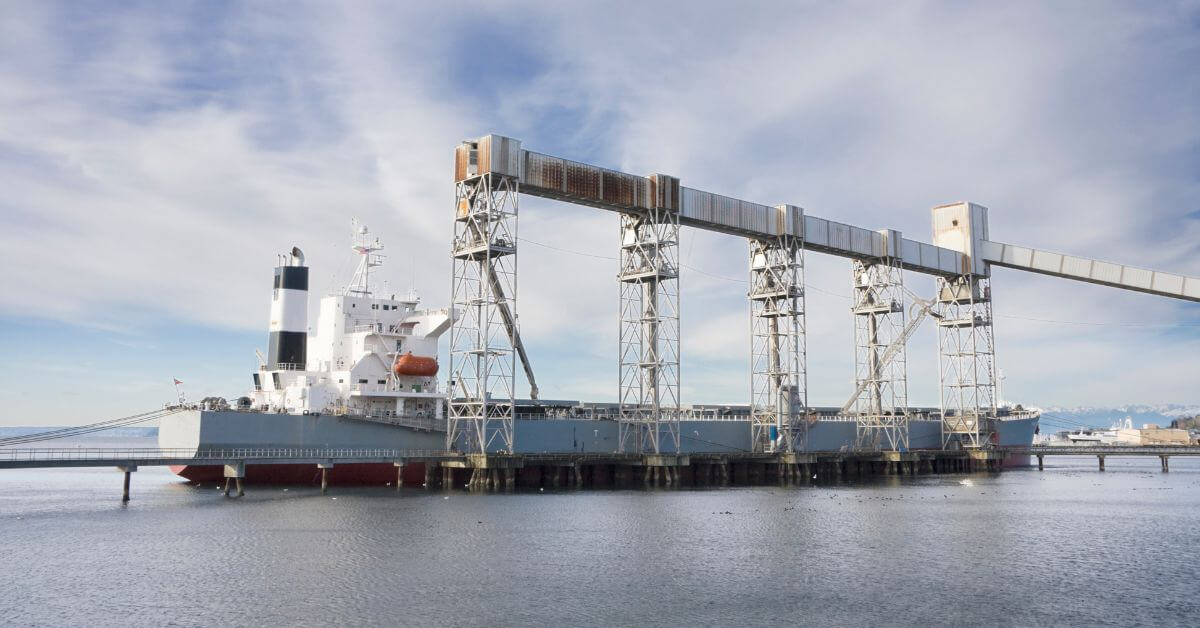
Maritime workers in Argentina have begun a 48-hour strike over a proposed labour reform bill, disrupting grain shipments and port operations across the country.
The action, launched on Wednesday by the Maritime Workers Federation (FESIMAF), has affected key agricultural export hubs, including the port area of Rosario.
Argentina is a leading global supplier of grains and the world’s largest exporter of soybean oil and meal.
The country’s grain exporters’ chamber, CIARA-CEC, said the stoppage was paralysing agro-export activity at the nation’s ports.
Gustavo Idigoras, president of CIARA-CEC, told Reuters that the 48-hour strike was bringing agro-export operations to a standstill. He stated that the chamber viewed the action as politically motivated and not linked to specific operational needs.
FESIMAF said the strike was intended to defend workers’ labour rights and job stability in response to proposed far-reaching changes to labour legislation.
The action comes one day before a planned nationwide walkout called by the General Confederation of Labour (CGT), Argentina’s main labour federation.
The SOEA oilseed crushers’ union also announced a separate 24-hour strike scheduled for Thursday. Its leader, Daniel Succi, stated that the union opposed what it described as a modernisation initiative that would legalise setbacks for workers, lead to job losses and weaken national industry.
The protest is directed at President Javier Milei’s proposed labour reform bill.
The draft legislation includes measures to limit the right to strike, cap severance pay, tighten sick pay provisions and restrict workers’ ability to seek damages following dismissal.
The reform is a central policy initiative of Milei’s administration and has faced strong opposition from trade unions, which argue that it threatens established worker protections.
Industry sources said the maritime strike was disrupting cargo loading and unloading, pilot transfers and other services for commercial vessels, particularly in the Rosario port area, one of the world’s largest agricultural export corridors.
Guillermo Wade, manager of the Chamber of Port and Maritime Activities, told Reuters that ships were continuing to load but were likely to halt operations when they were a few feet short of the required draft for departure, potentially leaving vessels partially loaded until the dispute is resolved.
Argentina’s lower house of Congress is scheduled to debate the labour reform bill on Thursday, following its approval in the Senate last week.
Reference: Reuters
Source: Maritime Shipping News