
IIT Madras Deploys India’s First Indigenous Vessel Traffic Management System

Cap de Barbaria To Become Europe’s First Ferry To Produce Hydrogen Onboard Using Methanol System
November 27, 2025
Singapore Surpasses Hong Kong To Become World’s Fourth-Largest Ship Registry
November 27, 2025
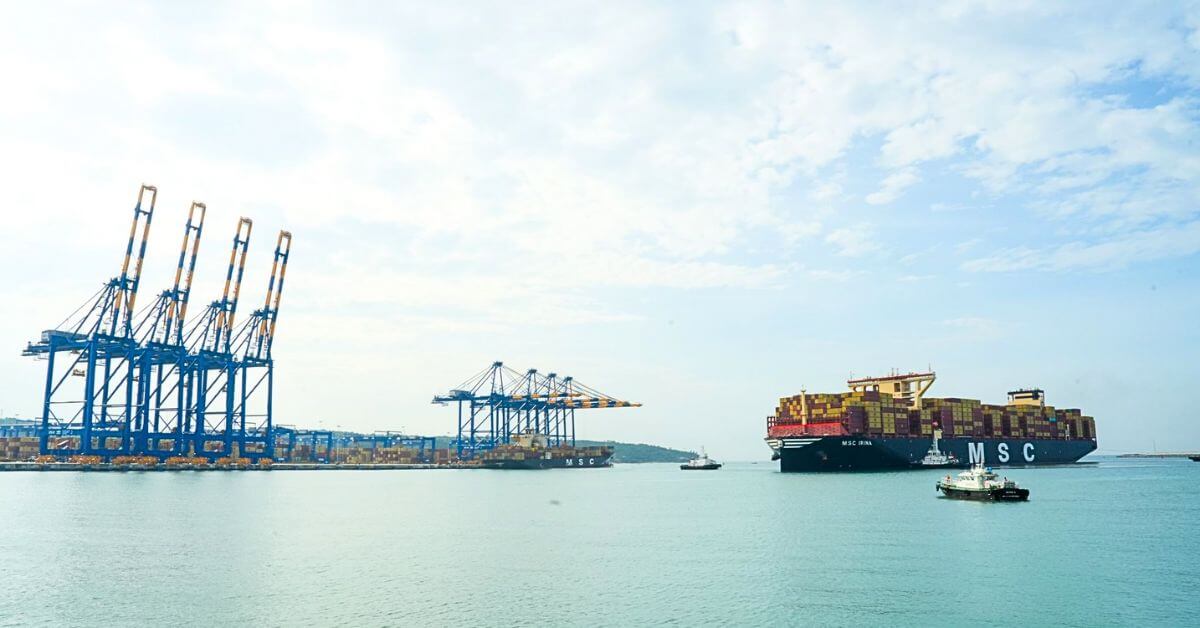
The Indian Institute of Technology, Madras, has developed and deployed India’s first fully indigenous Vessel Traffic Management System (VTMS).
The system is currently operational at Vizhinjam International Seaport Limited (VISL) in Kerala, which was inaugurated by Prime Minister Narendra Modi on 2 May 2025. Two other western coast ports are reportedly in discussions to adopt the system.
The VTMS was developed entirely by IIT-M’s National Technology Centre for Ports, Waterways and Coasts (NTCPWC) in accordance with specifications from the Ministry of Ports, Shipping and Waterways (MoSPW).
Officials highlighted that the system gives the Government of India full control over the source code, databases, and architecture, significantly reducing the risk of sensitive vessel-movement data being exposed to foreign entities.
A faculty member at IIT-M stated that while the system is primarily designed for merchant vessels, it is capable of monitoring naval vessels and smaller coastal craft operating in India’s coastal waters.
Video Credits: IIT Madras/Facebook
K. Murali, Head of NTCPWC, emphasised that the indigenous system allows India to accelerate innovation, enhance operational safety, and build domestic maritime expertise.
He added that the system also reduces operational and financial risks often associated with reliance on private vendors or imported solutions.
Technically, the VTMS features an open-source framework, customised and OEM-independent radar and voice-data integration, and a robust, defence-grade security architecture.
The system is scalable, allowing it to be deployed across multiple ports with minimal maintenance costs, and offers a cost-effective alternative to foreign platforms.
Officials also said that the indigenous VTMS supports the development of a domestic talent pool with hands-on experience in advanced maritime technologies, while strengthening India’s strategic control over critical port infrastructure.
The deployment of the system at VISL is being seen as a potential benchmark for modernising coastal infrastructure in India and reducing reliance on imported maritime technology.
Reference: New Indian Express, IIT Madras
Source: Maritime Shipping News