

Black Sea Shipping Costs Surge After Ukrainian Drones Hit Two Tankers

MGI Engineering Launches Autonomous Electric Vessel To Cut Cost & Carbon Footprint
December 2, 2025
Samsung Heavy Industries Opens Remote Ship Operation Centre with Evergreen in Taiwan
December 2, 2025
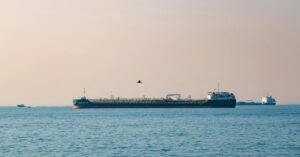
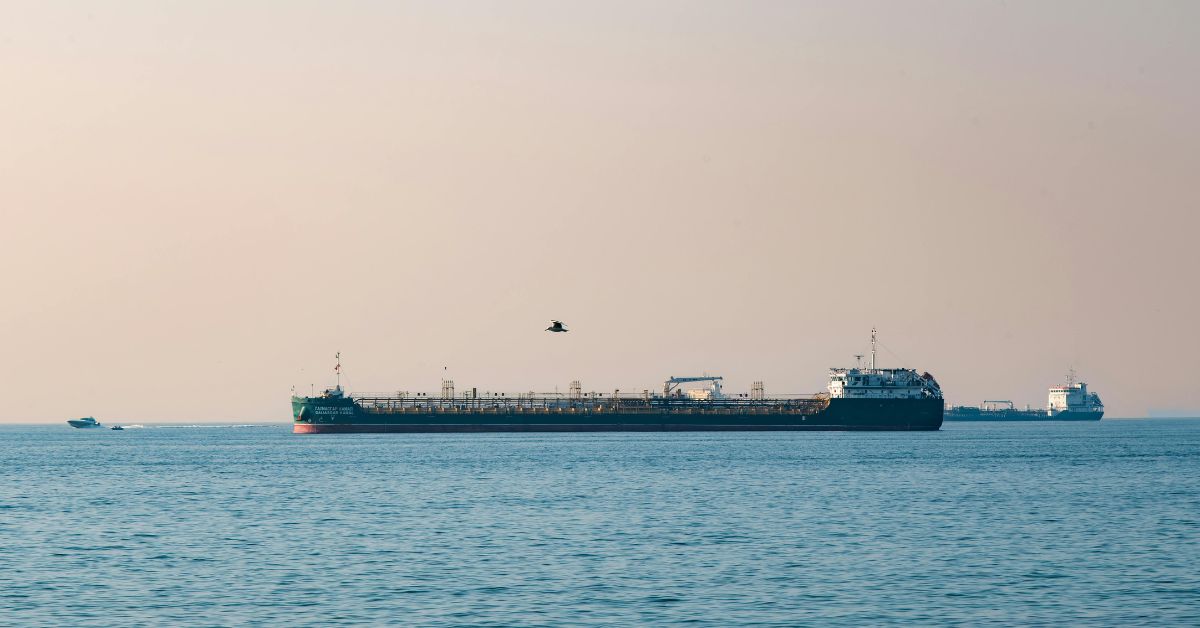
War risk insurance rates for ships operating in the Black Sea rose this week after Ukrainian naval drones attacked two tankers heading towards a Russian port, according to shipping and insurance sources.
Underwriters lifted the war risk premium for a standard seven-day voyage to Ukrainian ports to around 0.5%, compared with 0.4% a week earlier.
Insurance for Russian Black Sea ports, which usually carries a higher rate, was quoted between 0.65% and 0.8%, up from about 0.6% last week.
The two tankers, both under Western sanctions, were struck by Ukrainian naval drones while sailing empty towards Novorossiysk, a major Russian oil export hub on the Black Sea. An official from Ukraine’s Security Service reportedly informed Reuters of the attack details.
Munro Anderson, head of operations at Vessel Protect, was cited as saying that the pattern of attacks was influencing how underwriters assessed both intent and capability in the region. He indicated through third-party reporting that insurers were pricing in a wider set of potential strike locations and a growing chance of repeat incidents.
He also commented that increasing Ukrainian activity could raise the likelihood of reciprocal Russian actions, creating a more balanced risk profile for ships calling at both Ukrainian and Russian ports.
Turkish President Tayyip Erdogan stated that attacks on commercial ships in the Black Sea were unacceptable, issuing a warning to all parties involved.
Andrii Ryzhenko, a naval analyst and former deputy chief of staff of the Ukrainian navy, said the latest incidents marked the first time non-military, non-Russian-flagged ships had been targeted in international waters.
He suggested it was unlikely that Russia would respond against commercial shipping heading to Ukraine while such vessels were in the territorial waters of Turkey, Bulgaria or Romania, as that would constitute an attack on NATO territory. He added that Russia continued to strike vessels in Ukrainian waters using various weapons.
Maritime security sources reported that at least seven tankers that previously called at Russian ports have experienced unexplained blasts since December 2024 in locations including the Mediterranean. Ukraine is suspected in several of these incidents, though none have been officially confirmed.
In a separate case, a Turkish-owned oil tanker, Mersin, suffered four external explosions off the coast of Senegal last week, according to the vessel’s manager. No injuries or pollution were reported. Maritime security assessments suggested the blasts may have resulted from limpet mines, similar to other incidents observed this year.
Dakar Port Authority confirmed the vessel was stabilised and under close monitoring. A spokesperson said the ship had endured a serious engine room incident that caused significant water ingress, and added that full details would be released once investigations were complete.
Reference: Reuters
Source: Maritime Shipping News