

Millions Of Barrels Of Venezuelan Crude Stranded After US Seizure Forces Tankers To Turn Back

Odfjell Launches First Operational Green Corridor Between Brazil And Europe
December 16, 2025
Watch: Irish Coast Guard Airlifts 14 Crew From French Trawler Grounded Near Dingle
December 16, 2025

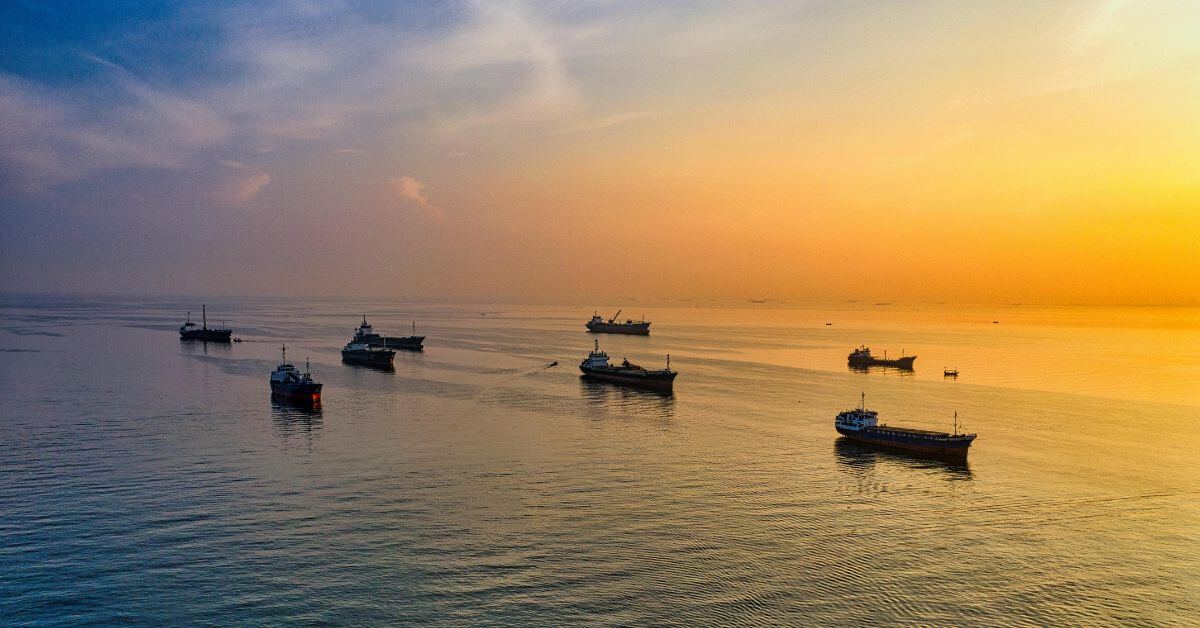
Several oil tankers have turned back from Venezuela after the US seized a vessel carrying Venezuelan crude, according to ship tracking data, in a development that has sharply disrupted the country’s oil exports.
A tanker transporting Russian naphtha for Venezuela’s state-run oil company PDVSA, along with at least four very large crude carriers (VLCCs) scheduled to load crude at Venezuelan ports, have made U-turns in recent days. The move came after the US Coast Guard intercepted and seized a VLCC carrying Venezuelan oil last week.
The seized vessel was transporting around 1.85 million barrels of Venezuelan heavy crude sold by PDVSA. The action shows growing tension between US and Venezuela.
The seizure has left more than 11 million barrels of crude stranded onboard other tankers waiting in Venezuelan waters. Shipping data showed that concerns over further enforcement actions have led some tanker owners to instruct their vessels to turn back, particularly as US naval ships continue to patrol the Caribbean Sea.
Among the vessels changing course is the Benin-flagged tanker Boltaris, which was carrying about 300,000 barrels of Russian naphtha bound for Venezuela. LSEG vessel data showed that the tanker turned back late last week and is now sailing towards Europe without unloading its cargo.
Separately, monitoring service TankerTrackers.com said that at least four VLCCs scheduled to load crude for PDVSA in the coming weeks have also turned back in recent days, further reducing shipments linked to Venezuela.
Shipping and trade data indicated that US pressure has almost brought Venezuela’s oil exports to a halt since last week. At present, only tankers chartered by Chevron have been able to leave Venezuelan ports with crude bound for the United States, under an authorisation previously granted by Washington.
PDVSA said on Monday that it had been affected by a cyberattack. According to sources, the incident forced the shutdown of the company’s administrative and operational systems, including its oil delivery system, adding to the disruption of exports.
References: Reuters, telegraphindia
Source: Maritime Shipping News