

Swedish Navy Confirms Russian Military Presence On Shadow Fleet Tankers In Baltic Sea

Meyer Werft Secures $11.7 Billion Shipbuilding Order From MSC Cruises
December 16, 2025
Video: US Military Strikes 3 Suspected Drug Boats In Eastern Pacific, 8 Killed
December 17, 2025
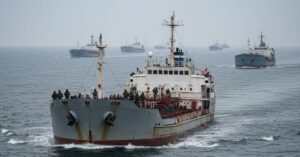
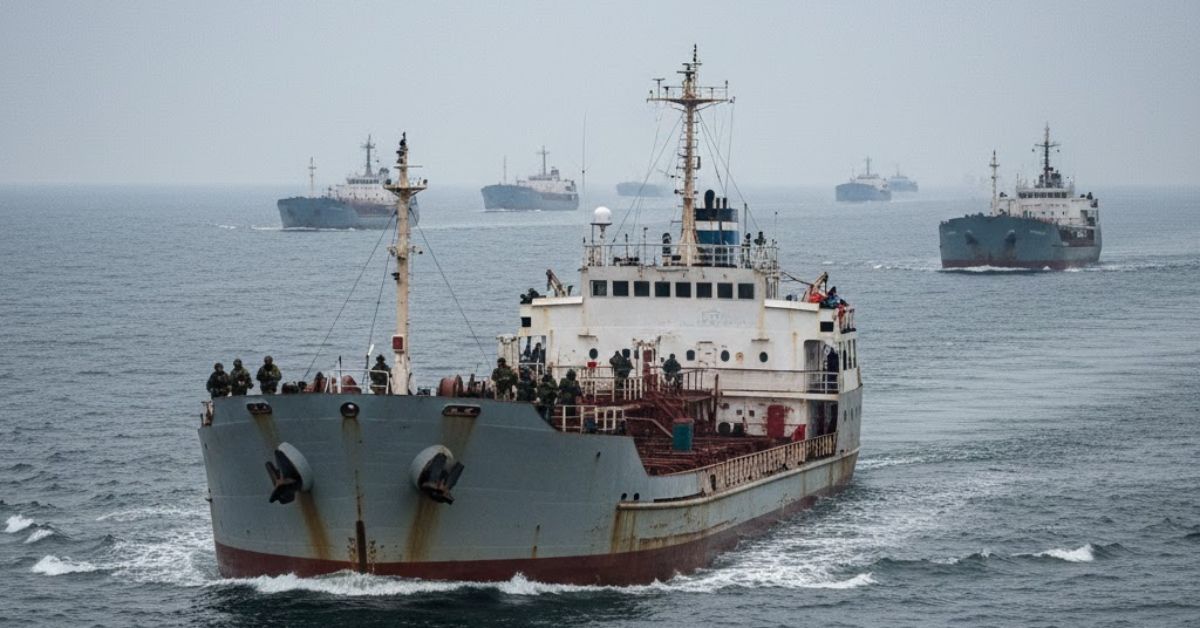
The Swedish Navy has confirmed that Russian military personnel have been present aboard oil tankers linked to Russia’s so-called “shadow fleet” operating in the Baltic Sea, according to Swedish defence and coast guard officials.
Swedish authorities said uniformed individuals have been detected on some vessels suspected of transporting Russian oil in violation of Western sanctions.
According to the Swedish Navy, Russia’s activity includes a constant naval presence in designated maritime areas, as well as armed personnel stationed directly on board certain shadow fleet tankers.
Swedish naval units have observed, received, and verified information relating to the presence of these individuals.
Swedish Navy chief of operations Marko Petkovic stated that the personnel observed were wearing military uniforms and were believed to be either connected to private security companies or serving members of the Russian armed forces.
He added that Russian naval forces have increasingly been carrying out surveillance and protection missions along key shipping routes in the Baltic Sea and the Gulf of Finland.
Petkovic further added that the Russian Baltic Fleet has become more persistent and now covers significant parts of the sea area. However, Swedish military authorities stressed that the situation does not currently pose an immediate threat.
According to Petkovic, Swedish forces have a clear understanding of developments at sea and are monitoring the situation closely while keeping the public informed.
The Swedish Coast Guard has also reported a rise in Russian naval activity in strategically important coastal areas. Deputy operations head Daniel Stenling said that reports of armed personnel on tankers show how important the shadow fleet is to Russia.
He added that, although the coast guard has not directly observed such personnel itself, it considers the implementation of additional security measures by Russia to be plausible.
Swedish officials said keeping track of Russian ships has become routine, as Russian naval vessels are regularly present near major shipping routes. Military sources describe this activity as mostly static surveillance to protect sanctioned shipping.
In early December, Swedish authorities reported incidents in which crews of oil tankers linked to Russia received navigational assistance from Russian military pilots while transiting narrow and shallow sections of the Danish straits.
According to Swedish Coast Guard estimates, between 500 and 1,000 shadow fleet vessels are currently operating worldwide, with more than 300 sailing under foreign flags.
Ukrainian intelligence has previously assessed that roughly one in six tankers globally belongs to Russia’s shadow fleet, representing about 17 per cent of all active tankers.
Additionally, the shadow fleet has been suspected of involvement in hybrid activities, including potential sabotage of undersea infrastructure.
However, Swedish authorities said no such incidents have been recorded since the launch of Operation Baltic Sentry in January. Officials added that the operation has increased awareness among commercial shipping and prompted more cautious navigation in regional waters.
Russia has continued to deny the existence of a shadow fleet, describing it as a Western fabrication. Despite this, Ukraine has imposed sanctions on nearly 700 tankers believed to be involved in transporting sanctioned Russian oil. On 10 December, Ukraine’s Security Service detained a vessel linked to the shadow fleet in the port of Odesa.
Meanwhile, the European Council has approved additional sanctions targeting individuals and companies connected to the shadow fleet’s logistical and financial operations, as part of efforts to restrict Russia’s ability to fund its war against Ukraine.
References: militarnyi, newsukraine
Source: Maritime Shipping News