

Trump Orders ‘Total And Complete Blockade’ Of Sanctioned Oil Tankers Entering & Leaving Venezuela

World’s Largest Wind-Powered Ro-Ro Vessel Makes Landmark Call At Port Of Baltimore
December 17, 2025
Hong Kong Customs Seize $256 Million Cocaine Hidden In Underwater Compartment Of Cargo Ship
December 17, 2025
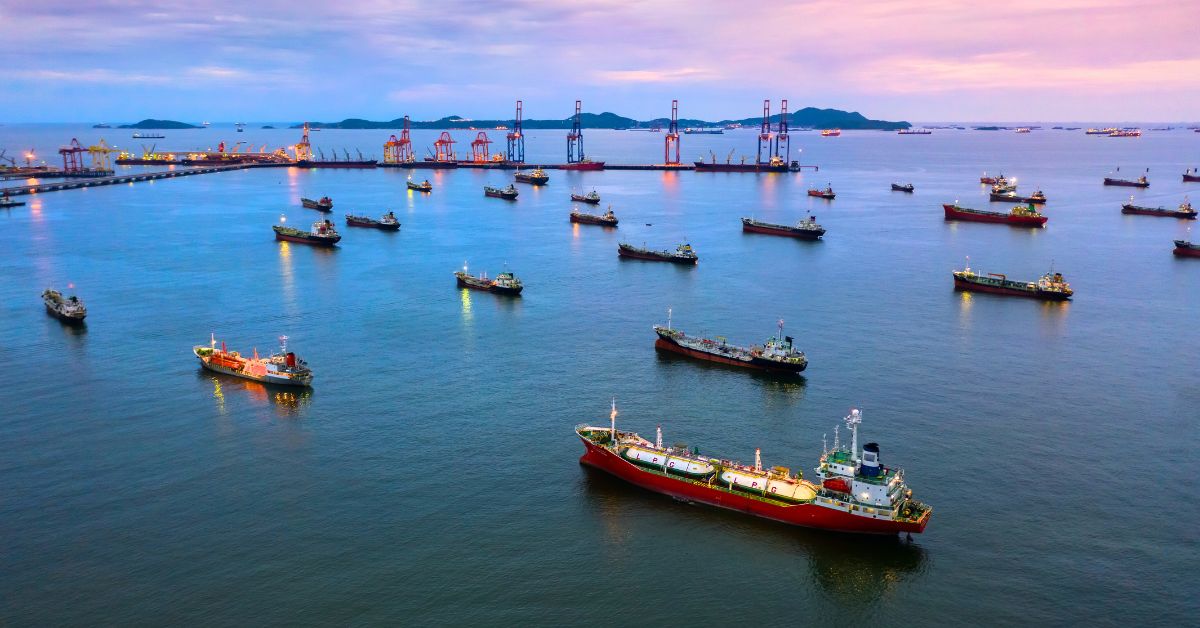
US President Donald Trump has ordered what he called a “total and complete blockade” of sanctioned oil tankers entering and leaving Venezuela, sharply increasing pressure on President Nicolás Maduro’s government and directly targeting the country’s oil exports, its main source of income.
The order was announced on Tuesday through Trump’s Truth Social account. The United States has deployed thousands of troops and nearly a dozen warships to the region, including an aircraft carrier.
However, US authorities have not yet explained how the blockade would be enforced or whether the Navy or Coast Guard would be used to stop vessels, similar to last week’s seizure of a sanctioned oil tanker off Venezuela’s coast.
Trump said the decision was based on claims that Venezuela’s leadership has used oil revenues to fund criminal activities. He stated that the Maduro government has been designated a foreign terrorist organisation, citing allegations of terrorism, drug trafficking and human smuggling. Venezuela’s government strongly rejected the accusations and described the move as a dangerous and unlawful threat.
Global oil markets reacted quickly. Oil prices rose by more than 1% in Asian trading on Wednesday, with Brent crude climbing to about $59.6 a barrel and US West Texas Intermediate close to $56 a barrel.
Traders said prices were rising due to concerns that Venezuelan oil exports could fall further, although uncertainty remains over how the blockade would be applied and whether it would affect vessels that are not currently sanctioned.
Venezuela’s oil exports had already been disrupted after the United States seized a sanctioned tanker last week. Since then, several tankers carrying millions of barrels of oil have remained in Venezuelan waters to avoid the risk of seizure.
Exports have also been affected by a recent cyberattack that disrupted administrative systems at state-owned oil company PDVSA.
Not all tankers carrying Venezuelan oil are under US sanctions. Some shipments continue under special permissions, including those operated by US oil major Chevron, although payments are not allowed to reach the Maduro government.
China remains Venezuela’s largest oil buyer, with Venezuelan crude making up around 4% of China’s oil imports and shipments averaging more than 600,000 barrels per day in December.
Legal experts have raised concerns about the blockade order. An international law scholar said naval blockades are traditionally seen as acts of war and are only permitted under strict legal conditions. A US lawmaker also criticised the move, calling it an act of war that had not been approved by Congress.
US officials said the policy, if fully enforced, could seriously damage Venezuela’s economy. A former US energy diplomat warned that removing nearly one million barrels of oil per day from the market could increase prices up by $5 to $8 a barrel if other producers do not increase output. He also warned that the situation could worsen inflation and increase migration from Venezuela.
The blockade order is part of a US pressure campaign that includes an increased military presence and strikes on suspected drug-smuggling vessels near Venezuela.
Trump has also said that strikes on Venezuelan land targets could follow. Venezuela’s government has accused the United States of trying to overthrow Maduro and take control of the country’s oil resources, which are the largest in the world.
Speaking before Trump’s announcement, Maduro said Venezuela had resisted months of political and economic pressure and would continue to defend its sovereignty.
The Venezuelan government said it would take the issue to the United Nations, arguing that the blockade violates international law.
References: Reuters, CNN
Source: Maritime Shipping News