
U.S. Coast Guard Offloads 27,000 Pounds Of Cocaine After Eastern Pacific Interdictions

IMO Secretary-General Calls For Restraint From Targeting Innocent Seafarers In Black Sea
December 17, 2025
Ukrainian Drone Attacks Kill 2 Crew Members Of A Cargo Ship At Russian Port
December 18, 2025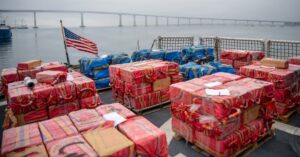
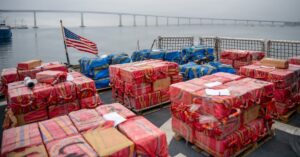
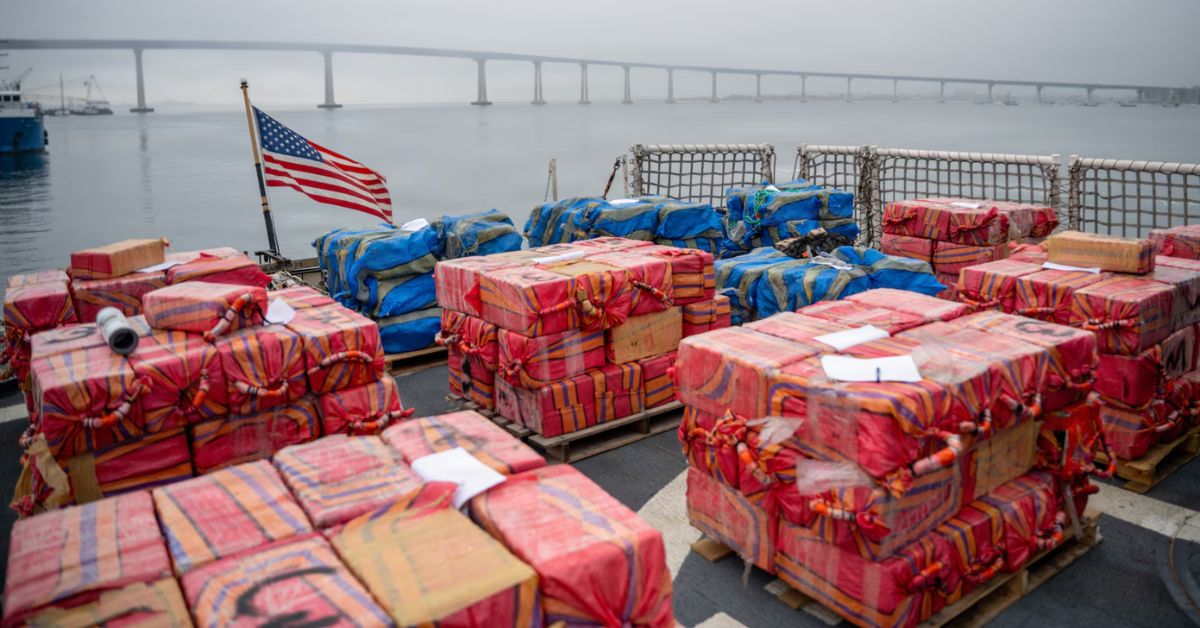
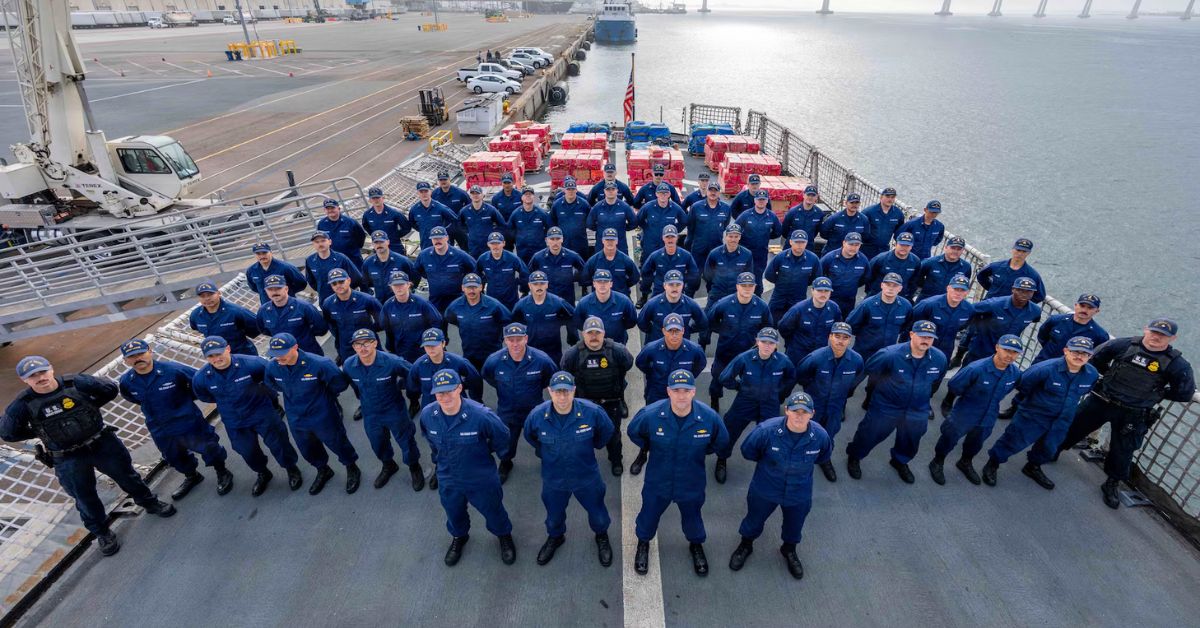
The U.S. Coast Guard has offloaded approximately 27,551 pounds of cocaine, with an estimated street value of $203.9 million, in San Diego, California, following a series of counter-narcotics operations carried out in the Eastern Pacific Ocean.
According to the Coast Guard, the offload resulted from three separate interdictions of suspected drug-smuggling vessels in international waters off the coasts of Mexico, Central America and South America.
Two of the interdictions were conducted by the crew of the USCG Cutter Active, while the third was carried out by personnel aboard the USCG Cutter Munro.
The largest share of the seized narcotics came from an earlier operation involving the USCG Cutter Munro, where Coast Guard surface and air assets worked together to stop a go-fast vessel transporting more than 20,000 pounds of cocaine.
The Coast Guard said the vessel was disabled after warning shots were fired, followed by disabling fire aimed at the engines, preventing the craft from fleeing. The agency described the seizure as the largest single-boat cocaine interdiction in nearly two decades.
In separate operations, the crew of the USCG Cutter Active intercepted two additional go-fast boats in the Eastern Pacific. The cutter’s commanding officer, Cmdr. Earl Potter, said each vessel carried three suspected narcoterrorists, although further details about the suspects’ status were not provided. Local media later reported that 12 individuals were arrested in connection with the interdictions and are now facing federal drug charges.
Senior Coast Guard officials explained that aircraft are routinely used to track and intercept fast-moving smuggling vessels. When vessels fail to comply, aircrews may fire warning shots before using disabling fire to stop the engines, allowing boarding teams to safely seize the drugs and detain those on board.
Cmdr. Potter said the crew of the Active operated under difficult conditions during the missions, noting that long hours and demanding seas did not deter the team from maintaining focus. He added that the crew’s professionalism and persistence were central to the cutter’s success during the operation.
The seizures were carried out under Operation Pacific Viper, a Coast Guard surge initiative designed to disrupt transnational criminal organisations operating maritime drug-smuggling routes in the Eastern Pacific. The operation aims to reduce the flow of cocaine and synthetic drugs, including fentanyl, into the United States.
Rear Adm. Jeffrey Novak, deputy commander of the Coast Guard Pacific Area, said the service is intensifying efforts against narco-terrorism by increasing its presence in the region and working closely with international and interagency partners.
The USCG Cutter Active is a 210-foot medium-endurance cutter based in Port Angeles, Washington. The vessel is equipped with two small boats and supports a wide range of missions across the Eastern Pacific, including counter-narcotics operations, search and rescue, living marine resource protection and homeland defence.
Reference: USCG
Source: Maritime Shipping News
IMO Secretary-General Calls For Restraint From Targeting Innocent Seafarers In Black Sea
December 17, 2025Ukrainian Drone Attacks Kill 2 Crew Members Of A Cargo Ship At Russian Port
December 18, 2025
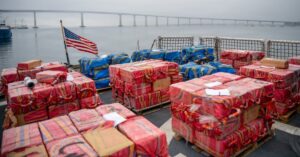
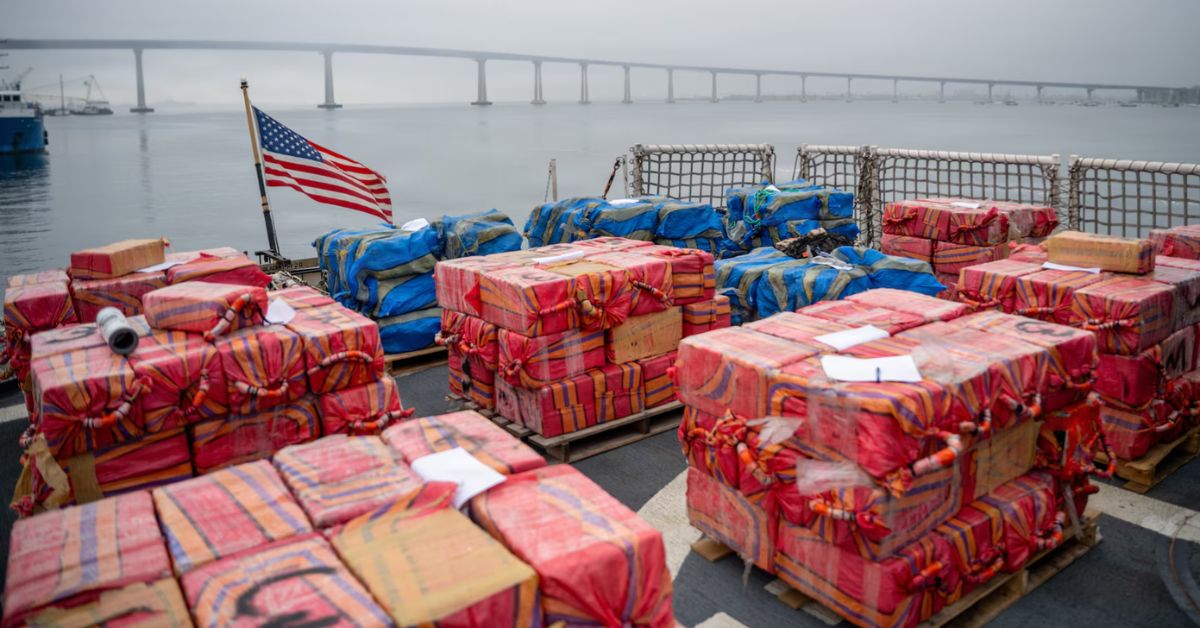
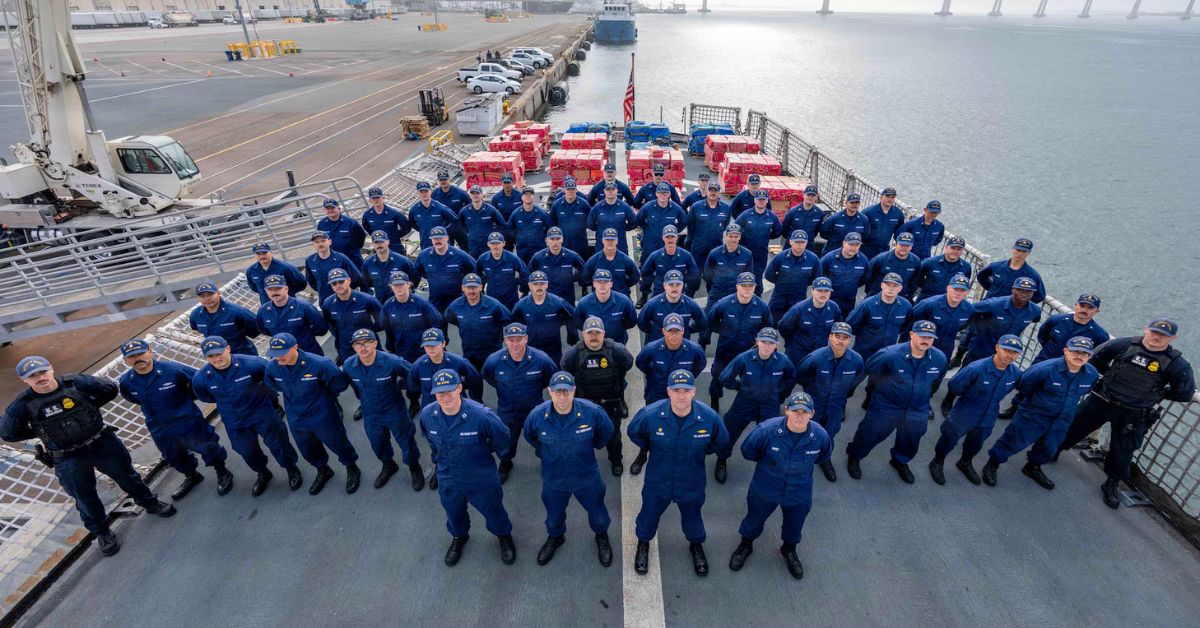
The U.S. Coast Guard has offloaded approximately 27,551 pounds of cocaine, with an estimated street value of $203.9 million, in San Diego, California, following a series of counter-narcotics operations carried out in the Eastern Pacific Ocean.
According to the Coast Guard, the offload resulted from three separate interdictions of suspected drug-smuggling vessels in international waters off the coasts of Mexico, Central America and South America.
Two of the interdictions were conducted by the crew of the USCG Cutter Active, while the third was carried out by personnel aboard the USCG Cutter Munro.
The largest share of the seized narcotics came from an earlier operation involving the USCG Cutter Munro, where Coast Guard surface and air assets worked together to stop a go-fast vessel transporting more than 20,000 pounds of cocaine.
The Coast Guard said the vessel was disabled after warning shots were fired, followed by disabling fire aimed at the engines, preventing the craft from fleeing. The agency described the seizure as the largest single-boat cocaine interdiction in nearly two decades.
In separate operations, the crew of the USCG Cutter Active intercepted two additional go-fast boats in the Eastern Pacific. The cutter’s commanding officer, Cmdr. Earl Potter, said each vessel carried three suspected narcoterrorists, although further details about the suspects’ status were not provided. Local media later reported that 12 individuals were arrested in connection with the interdictions and are now facing federal drug charges.
Senior Coast Guard officials explained that aircraft are routinely used to track and intercept fast-moving smuggling vessels. When vessels fail to comply, aircrews may fire warning shots before using disabling fire to stop the engines, allowing boarding teams to safely seize the drugs and detain those on board.
Cmdr. Potter said the crew of the Active operated under difficult conditions during the missions, noting that long hours and demanding seas did not deter the team from maintaining focus. He added that the crew’s professionalism and persistence were central to the cutter’s success during the operation.
The seizures were carried out under Operation Pacific Viper, a Coast Guard surge initiative designed to disrupt transnational criminal organisations operating maritime drug-smuggling routes in the Eastern Pacific. The operation aims to reduce the flow of cocaine and synthetic drugs, including fentanyl, into the United States.
Rear Adm. Jeffrey Novak, deputy commander of the Coast Guard Pacific Area, said the service is intensifying efforts against narco-terrorism by increasing its presence in the region and working closely with international and interagency partners.
The USCG Cutter Active is a 210-foot medium-endurance cutter based in Port Angeles, Washington. The vessel is equipped with two small boats and supports a wide range of missions across the Eastern Pacific, including counter-narcotics operations, search and rescue, living marine resource protection and homeland defence.
Reference: USCG
Source: Maritime Shipping News