
Trump Says Venezuela ‘Completely Surrounded’ By Largest Armada In South American History

Cargo Vessel Sustains Serious Damage After Striking Wall In Germany
December 18, 2025
Tugboat Crew Member Sent To Jail, Caned For Helping Foreigners Enter Singapore Illegally
December 19, 2025
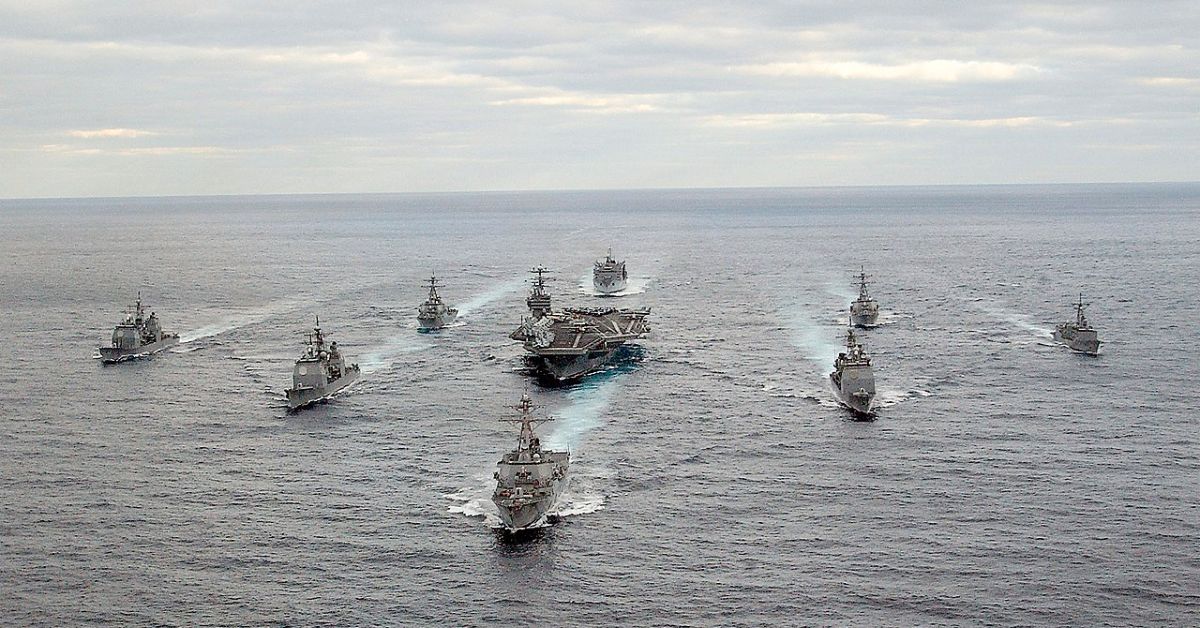
The United States has intensified its pressure on Venezuela, with President Donald Trump stating that the country is “completely surrounded” by the largest armada in South American history.
The US has imposed a blockade on tankers carrying oil under US sanctions and labelled the Nicolás Maduro-led government a foreign terrorist organisation.
Trump said the measures aim to make Venezuela return oil, land, and other assets that he claims were taken from the United States. He warned that the blockade would grow and that unauthorised ships would not be allowed through. He described the Venezuelan leadership as illegitimate and said US energy rights in the country had been taken illegally.
Venezuela denied the claims, saying on Tuesday that the US was violating international law, free trade, and the right to free navigation at sea.
The escalation follows a significant US military deployment to the region. Since the summer, more than 10 warships, a nuclear-powered submarine, drones and at least 15,000 troops have been sent near Venezuelan waters. The administration has said the deployment is intended to halt suspected drug trafficking by sea.
Since the launch of “Operation Southern Spear” in September, US forces have carried out 25 strikes on suspected vessels, killing at least 95 people.
A follow-up strike on survivors of a 2 September attack has been criticised, with some critics suggesting possible violations of international law. US Defence Secretary Pete Hegseth has declined to release an unedited video of the incident after congressional briefings.
Trump has indicated that military action on land could follow “very soon.” Lawmakers from both parties have expressed concern about US involvement in Venezuela, especially if it could lead to regime change.
The US has long objected to the nationalisation of Venezuela’s oil sector, first under Hugo Chávez and later under Nicolás Maduro, arguing that compensation offered to American companies was insufficient.
In 2014, an international arbitration panel ordered Venezuela to pay $1.6 billion to ExxonMobil. Senior US officials have characterised the expropriation as the largest theft of American property on record, claiming that the assets were later used to fund criminal networks.
The standoff is one of the most serious between Washington and Caracas in recent years, with the naval blockade and military presence increasing tensions in the region.
References: Fox59, news18
Source: Maritime Shipping News