

Venezuela’s PDVSA Resumes Oil Cargo Loading After Cyberattack Disrupts Operations

Watch: bound4blue & Amasus Complete Installation Of Largest Suction Sail On Cargo Vessel
December 18, 2025
U.S. Shipyard Launches Saudi Arabia’s First MMSC Frigate “HMS Saud”
December 18, 2025
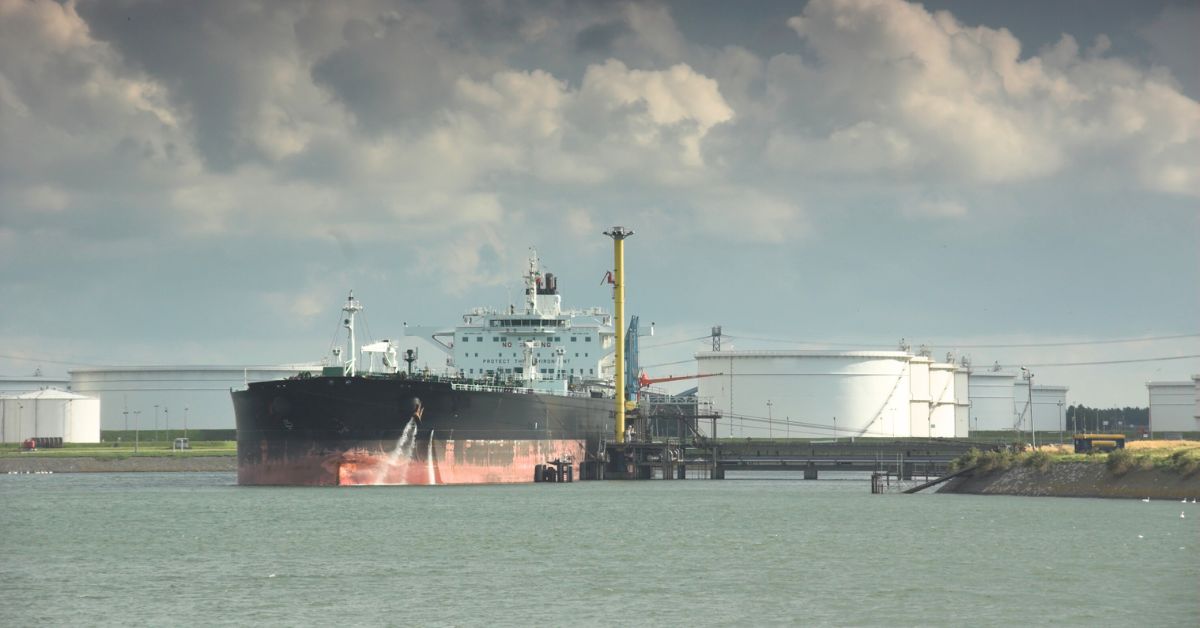
Venezuela’s state-owned oil company Petróleos de Venezuela (PDVSA) has resumed loading crude oil and fuel cargoes at its terminals after a cyberattack disrupted its central administrative systems earlier this week, according to sources close to the company’s operations.
Operations at PDVSA’s terminals had been suspended since Sunday after the cyber incident affected the company’s centralised systems.
Sources said the company managed to isolate oilfields, refineries, ports and other operational facilities from the central system, allowing work to restart and preventing a longer interruption to exports.
Terminal workers are currently keeping manual records of cargo deliveries while the administrative systems remain affected, sources familiar with the situation said.
US President Donald Trump announced on Tuesday that Washington would enforce a blockade on all oil tankers under sanctions approaching or leaving Venezuelan waters. The announcement followed the seizure of a sanctioned vessel carrying Venezuelan oil last week.
As a result, Venezuela’s crude exports have declined sharply from the more than 900,000 barrels per day shipped in November, according to shipping and trade data.
Operators have reportedly kept several loaded vessels anchored in Venezuelan waters, amid concerns that tankers sailing to China, the destination for most Venezuelan crude, could be seized.
Despite the disruption, PDVSA’s joint venture partner Chevron continued its authorised exports. Per sources and shipping data, Chevron loaded two crude cargoes bound for the United States on Wednesday. Chevron has permission from US authorities to export Venezuelan oil, despite sanctions on the OPEC member.
Shipping data shows that not all vessels operating in Venezuelan waters are under sanctions. Of the roughly 80 oil tankers currently in the area, about 30 have been sanctioned, according to tanker tracking firm TankerTrackers.com.
One unsanctioned supertanker was reported to have departed Venezuelan waters this week carrying approximately 1.8 million barrels of heavy crude. Monitoring data and a PDVSA internal document indicated that the vessel sailed with its tracking signal switched off after waiting several days to leave.
However, more than nine million barrels of Venezuelan oil remain on board vessels anchored in local waters. Traders and company sources said customers and shippers have sought price discounts and changes to contract terms to compensate for the heightened risks associated with shipping Venezuelan crude.
In a statement issued on Wednesday, PDVSA said oil exports and imports had returned to normal and added that its tanker fleet was operating without interruptions.
Reference: Reuters
Source: Maritime Shipping News