

Sovcomflot Receives Russia’s First Domestically Built Ice-Class LNG Tanker

Russian Drone And Missile Attacks On Ukrainian Ports Lead To Drop In Food Exports
December 26, 2025
Indian Coast Guard Inducts First Indigenous Pollution Control Vessel ‘Samudra Pratap’
December 26, 2025
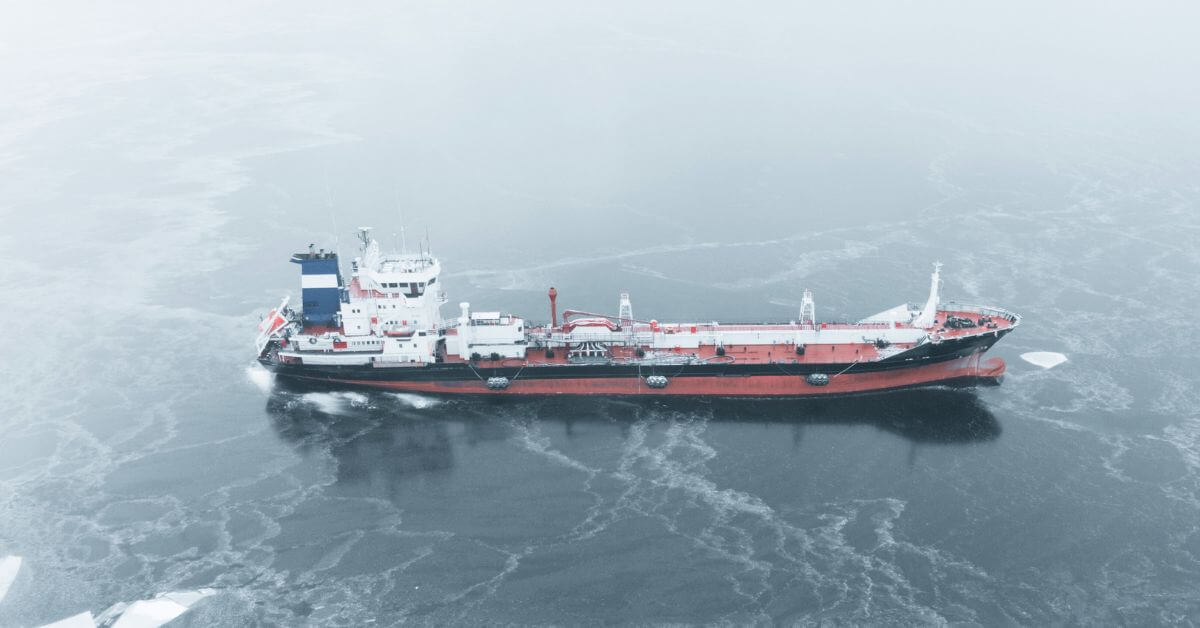
Russia has taken delivery of its first domestically built ice-class liquefied natural gas (LNG) tanker.
Sovcomflot PJSC, Russia’s largest shipping company, has received the Alexey Kosygin, the first home-built ice-class LNG carrier designed to transport super-chilled gas year-round from the Arctic LNG 2 project, which is under United States sanctions.
The vessel was transferred from the Zvezda Shipbuilding Complex in Russia’s Far East, according to information released by Rosneft PJSC and reported by Russian media.
The tanker, with a cargo capacity of 172,600 cubic metres, is the lead vessel in a series of advanced Arc7 ice-class LNG carriers being constructed at the Rosneft-led shipyard.
Per reports, Sovcomflot’s management indicated that the vessel will operate as part of the fleet serving the Arctic LNG 2 plant.
Russia has faced difficulties in securing specialised LNG carriers since the introduction of sanctions related to the war in Ukraine, particularly vessels capable of navigating thick Arctic ice.
Industry reports have highlighted that the lack of access to foreign-built ice-class tankers has increased reliance on domestic shipbuilding.
Zvezda Shipbuilding Complex is considered Russia’s most advanced shipyard and focuses on constructing large Arc7 tankers capable of breaking through ice up to two metres thick.
These vessels are built for Arctic operations and are designed to ensure continuous LNG transportation in extreme weather conditions.
Ice-class LNG carriers are built with double hulls, strong structures and reinforced propellers so they can safely operate in heavy ice conditions. The Alexey Kosygin is intended to support exports from Arctic LNG 2, a project in which Novatek holds a 60% stake.
Novatek has previously stated that 15 Arc7 ice-class LNG tankers are planned to be built at the Zvezda shipyard, while 21 vessels have been contracted in total to support its Arctic LNG developments.
Russian news agency Interfax, citing Sovcomflot’s chief executive, reported that the company plans to receive two additional domestically built ice-class LNG carriers in 2026, further expanding its Arctic fleet.
References: Reuters, Bloomberg
Source: Maritime Shipping News