

Dominion Energy Sues Trump Administration Over Halted Virginia Offshore Wind Project

Russian Drone Attacks Damage Foreign-Flagged Vessels At Ukrainian Ports
December 27, 2025
Crew Member Burns To Death After Fire Erupts In Engine Room Of Tourist Ship
December 27, 2025
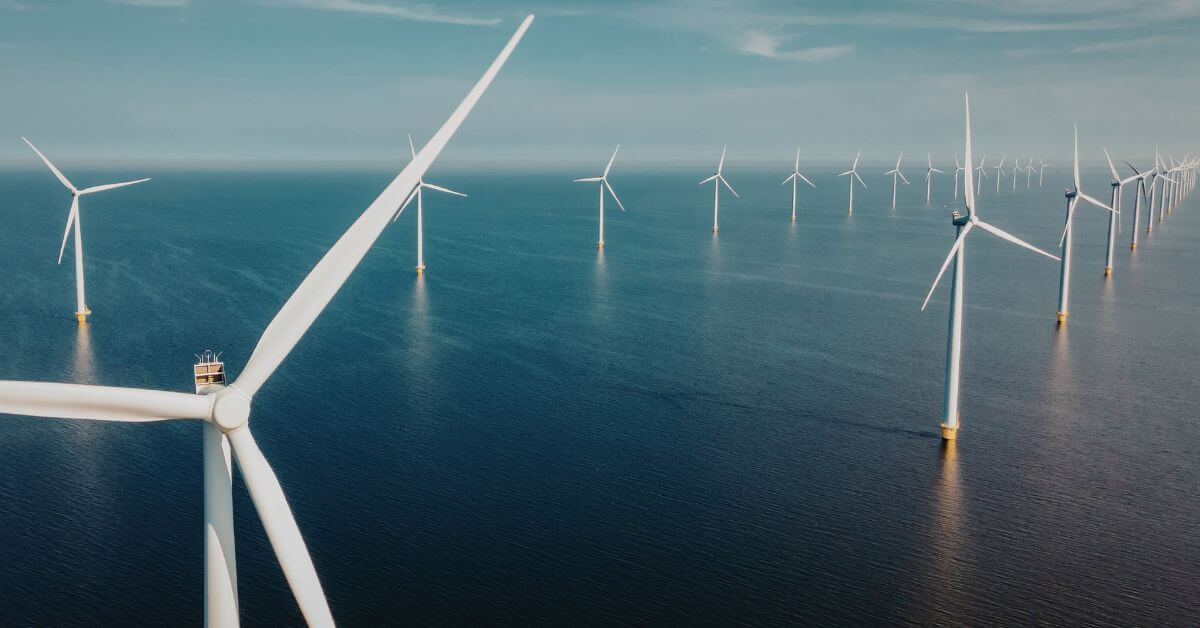
Dominion Energy has filed a federal lawsuit to challenge a government order that has stopped construction of its Coastal Virginia Offshore Wind (CVOW) project.
Court documents show that Dominion Energy Virginia and OSW Project LLC filed a complaint on Tuesday in the US District Court for the Eastern District of Virginia in Norfolk.
The companies also asked the court for a temporary restraining order to immediately block a stop-work order issued by the Bureau of Ocean Energy Management (BOEM), which has suspended all offshore construction activity on the CVOW project.
The legal action follows a federal decision earlier this week that paused work on five offshore wind projects along the US East Coast.
Administration officials said the pause is needed to review national security concerns, including possible interference with radar systems caused by wind turbine blades and towers.
Dominion said in its court filing that the decision threatens Virginia’s energy reliability. The company argued that the BOEM order is unlawful and arbitrary, stating that the project is fully permitted and has already gone through years of federal, state, environmental and military reviews.
According to Dominion, the project is already well into construction and stopping work at this stage is extremely costly. The company told the court that the halt is costing more than USD 5 million per day in vessel-related expenses alone, in addition to costs linked to idle crews and stored equipment.
Dominion warned that even short delays could disrupt the project’s tightly planned construction schedule. The company said this could add hundreds of millions of dollars to the overall cost of the project, which may ultimately affect customers.
The CVOW project is located around 27 to 44 miles off the Virginia coast. Once completed, it is expected to generate up to 2,600 megawatts of electricity, enough to power about 660,000 homes.
Dominion has previously stated that the project is around 50 per cent complete and remains on track to begin producing electricity in early 2026.
Court filings also said the project plays an important role in meeting Virginia’s growing demand for electricity, including power needs linked to military installations, shipbuilding activities and data centres supporting artificial intelligence and cloud computing.
Dominion disclosed that it has already spent approximately USD 8.9 billion on the project, which is more than two-thirds of its total expected cost. These expenses are already being recovered from customers under a regulatory agreement approved by the Virginia State Corporation Commission.
The BOEM stop-work order also applies to four other offshore wind projects. These include Vineyard Wind in Massachusetts, Revolution Wind in Rhode Island and Connecticut, and two projects in New York, Sunrise Wind and Empire Wind.
In a letter sent to developers, BOEM set out a 90-day review period, with the possibility of further extensions, to assess whether national security risks linked to the projects can be properly addressed. The Interior Department did not provide details on the specific security concerns.
The federal pause has been criticised by Virginia lawmakers from both major political parties. They said no new evidence had been presented to justify stopping a project that is already under construction, and warned that the decision could threaten thousands of jobs in the Hampton Roads region and disrupt long-term energy planning.
Nearly USD 40 million in federal funding has recently been withdrawn from a planned offshore wind logistics hub in Norfolk, a facility connected to the long-term operation of the CVOW project.
A hearing on Dominion’s request for a temporary restraining order has been scheduled for Monday afternoon before US District Judge Jamar Walker. Dominion has indicated that it will seek a preliminary injunction if the court does not grant immediate relief.
References: 13newsnow, enr
Source: Maritime Shipping News