

Japan Bans Kawasaki Heavy From Defense Bids After Decades-Long Submarine Data Fraud

Video: Engine Room Fire Breaks Out On Containership Berthed At Indonesian Port
December 30, 2025
1 Million Gallons Of Sulphuric Acid Spills Into Houston Ship Channel After Facility Accident
December 30, 2025
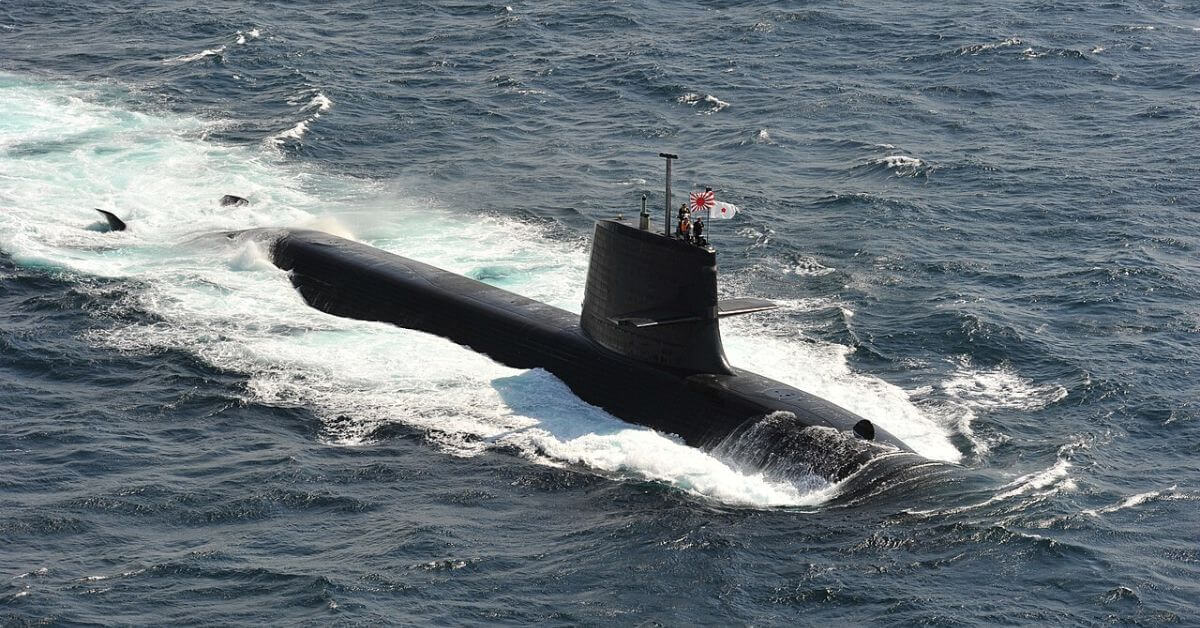
Japan’s Ministry of Defence has suspended Kawasaki Heavy Industries from bidding for defence contracts for two and a half months, until 11 March, after confirming long-term falsification of fuel efficiency data for submarine engines supplied to the Maritime Self-Defense Force (MSDF).
The ministry said Kawasaki Heavy manipulated fuel efficiency test data for submarine engines produced between 1988 and 2021. The falsifications took place during land-based engine trials, where test results were altered to meet ministry standards.
The MSDF currently operates 25 submarines, all fitted with engines manufactured by Kawasaki Heavy. Defence officials stated that 23 of these submarines, excluding the most recently delivered vessel, have engines linked to the falsified data.
The ministry added that the issue has not affected the safety or operational performance of the submarines.
Kawasaki Heavy later confirmed that fuel efficiency data was falsified for 66 submarine engines delivered to the defence ministry over the 33-year period.
A special investigation report found that fuel consumption figures recorded during testing failed to meet required values in many cases. The report also stated that several departments within the company were involved in hiding the discrepancies.
The defence ministry reduced the length of the bidding suspension after Kawasaki Heavy voluntarily reported the data falsifications.
The issue comes after similar falsification of fuel efficiency data was discovered in August 2024 involving engines produced for commercial vessels. Following this, the ministry carried out inspections at the company’s Kobe plant in Hyogo Prefecture.
In June this year, an external investigation panel made up of lawyers identified possible data falsifications affecting submarine engines supplied to the MSDF. Kawasaki Heavy reported these findings to the defence ministry in August.
On the same day the suspension was announced, the defence ministry also disclosed disciplinary action against 11 MSDF personnel in a separate scandal involving improper gifts received from Kawasaki Heavy.
The personal items, valued at about ¥1.16 million, included game consoles, golf bags and watches, and were unrelated to official duties.
According to the ministry, the items were purchased using slush funds created by Kawasaki Heavy through fictitious transactions linked to ship repair contracts with subcontractors.
The investigation found that the company accumulated around ¥1.7 billion in slush funds over a six-year period ending in March 2024, although such practices reportedly began at least 40 years ago.
Disciplinary measures against MSDF personnel included suspensions and pay cuts. Three sailors who had served as supervisors at ship repair and supply depots were suspended for between five and 15 days.
One senior non-commissioned officer received a 15-day suspension after continuing to accept personal items even after becoming a supervisor.
Eight other current or former submariners received one-month salary reductions, with one individual taking a pay cut before resigning.
A final ministry report released in July initially identified 13 personnel involved. This figure was later revised to 11 after further checks showed that some items received by two individuals were related to official duties.
Kawasaki Heavy is one of Japan’s major defence manufacturers, supplying submarines, aircraft and other military equipment.
In the 2024 financial year, the company ranked second in defence contracts with Japan’s Defence Procurement Agency, securing orders worth about ¥638.3 billion.
The defence ministry said it would work to ensure there is no disruption to Self-Defense Force operations during the suspension period. It is also considering seeking repayment linked to the contract violations.
Kawasaki Heavy’s management has acknowledged the seriousness of the compliance breaches and stated that steps are being taken to improve internal controls and review employee responsibility.
References: japantimes, japantoday
Source: Maritime Shipping News