

Sanctioned Oil Tankers Continue Sailing To Venezuela Despite US Blockade

China Conducts First Confirmed Sea Launch Of YJ-20 Hypersonic Missile From Type 055 Destroyer
December 31, 2025
U.S. Military Hits Five Alleged Drug Boats In Two Days, 8 People Killed
January 2, 2026
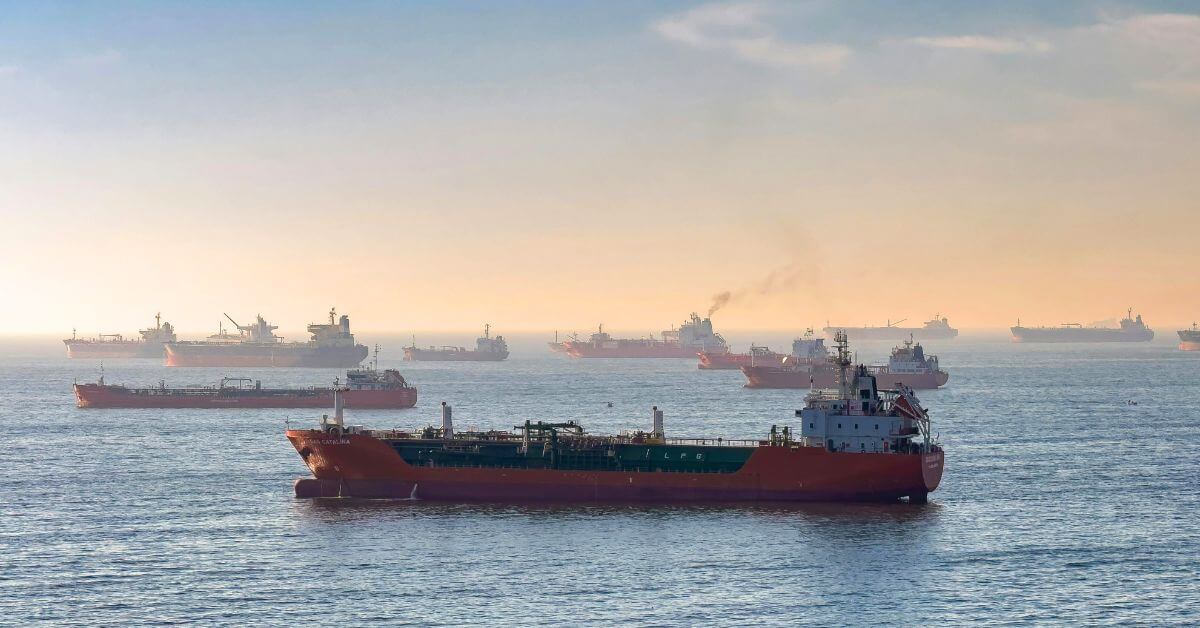
Oil tankers are continuing to arrive in Venezuela despite a recent US blockade on sanctioned vessels, showing that state-run oil company PDVSA is still trying to move crude even as exports drop sharply.
Shipping data showed that at least two oil tankers reached Venezuela in recent days, while others are sailing towards the country.
The movements follow an announcement by US President Donald Trump earlier this month that Washington would block all sanctioned ships going in or out of Venezuelan waters, as part of efforts to increase pressure on President Nicolas Maduro.
Since the blockade was announced, Venezuela’s oil exports have fallen to about half of their November levels. The United States has also seized two fully loaded Venezuelan oil cargoes and increased naval patrols in the Caribbean Sea.
The tougher enforcement has alarmed many tanker owners. Shipping sources said several vessels have changed course or turned back to avoid Venezuelan waters, leaving only a small number of ships continuing towards the Opec member.
Despite this, data from monitoring service TankerTrackers.com showed that two sanctioned vessels have recently arrived in Venezuela. Two additional tankers that are not under sanctions are also approaching the coast. These ships are part of a fleet used by Venezuela and China under long-standing oil-for-debt deals.
Venezuela has used crude oil to pay for imports, services and debt repayments since US energy sanctions were first imposed in 2019, including payments to China. It is not yet clear whether China will seek a US waiver to allow the approaching cargoes, which are bound for Chinese ports, to be delivered.
PDVSA did not respond to requests for comment. Venezuela’s oil ministry and President Maduro have previously said that oil exports will continue despite the sanctions.
Industry sources said PDVSA has been negotiating price discounts and changes to contracts this month to prevent cargoes from being returned and to avoid cutting crude production.
However, buyers have grown increasingly frustrated, as there are few workable options to lift oil from Venezuela, even using non-sanctioned tankers.
The situation has worsened after a cyberattack earlier this month forced PDVSA to shut down its central administrative system. This has slowed cargo deliveries at ports and increased the use of tankers to store crude and fuel at sea, adding to floating storage.
Shipping data and PDVSA documents showed that the only large tankers currently leaving Venezuela are those operated by Chevron, which continues to export crude to the United States under special authorisation from Washington. Smaller vessels carrying oil by-products and petrochemicals are also still sailing.
The current disruption is similar to events in 2020, when tougher US sanctions on PDVSA’s trading partners forced Venezuela to rely on lesser-known intermediaries to keep selling oil to China. That period led to sharp production cuts, oilfield shutdowns and severe fuel shortages.
Venezuela took several years to rebuild output to around 1 million barrels per day, restore some refining capacity and stabilise exports.
As of this week, almost two dozen tankers were anchored near the Jose port, visible from shore, waiting for loading slots or instructions to depart.
Data showed that the volume of oil held in tankers that have not yet sailed has risen to about 16 million barrels, up from around 11 million barrels in mid-December.
Reference: Reuters
Source: Maritime Shipping News