

Saudi Arabia Strikes Yemen’s Mukalla Port After Claiming UAE Sent Arms To Separatists

US Coast Guard Awards Contracts To Build Six New Arctic Security Cutters
December 31, 2025
Two Tankers Disentangled Off Istanbul After Anchor Chain Incident Caused By Strong Winds
December 31, 2025
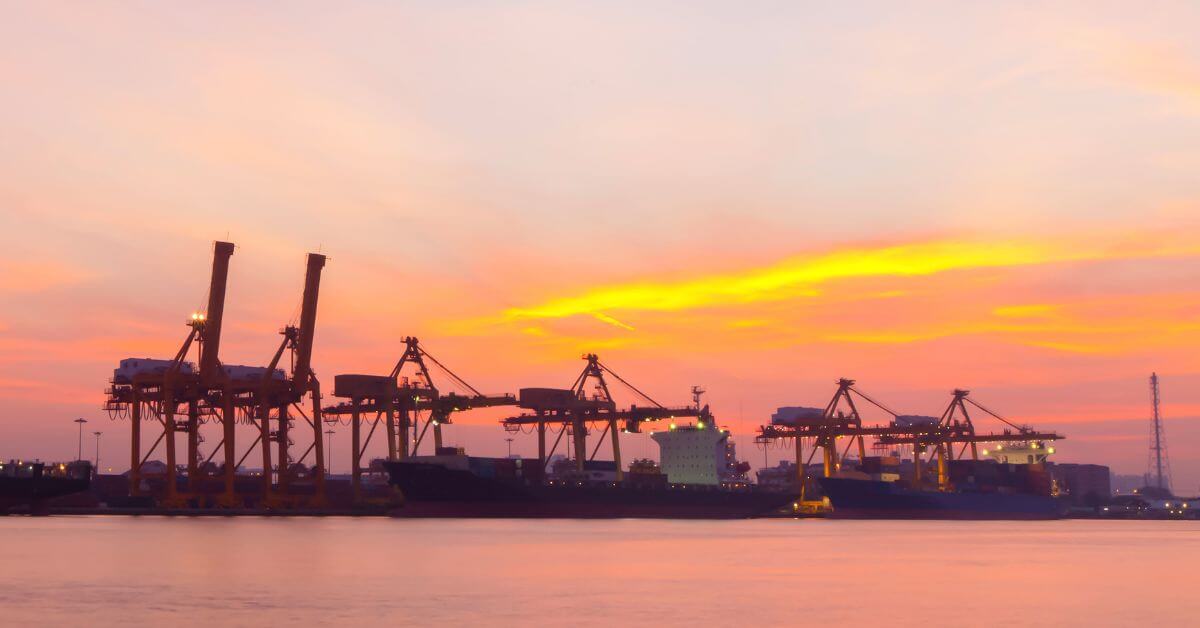
Saudi Arabia carried out airstrikes on Yemen’s port city of Mukalla on Tuesday, accusing the United Arab Emirates of delivering weapons and military vehicles to separatist forces.
Saudi authorities said the strikes targeted weapons and combat vehicles that had been unloaded at Mukalla port from two vessels arriving from Fujairah in the UAE.
According to a statement released by the Saudi-led coalition, the ships had disabled their tracking systems before offloading the cargo, which Saudi Arabia said was intended to support the UAE-backed Southern Transitional Council (STC).
The Saudi coalition said the weapons posed an immediate threat to security and stability and described the attack as a limited airstrike aimed at neutralising that risk. There was no immediate information on casualties following the bombing.
The strikes came amid growing tensions over recent advances by the STC and its allied forces, which have taken control of several areas in southern Yemen, including parts of the oil-producing Hadramout province.
The group has renewed calls for southern Yemen to break away and form an independent state, angering Saudi-backed factions aligned with Yemen’s internationally recognised government.
Saudi Arabia accused the UAE of actions that it said threatened its national security and supported calls by allied Yemeni forces for Emirati troops to leave the country within 24 hours.
A statement from Saudi authorities stressed that any threat to the Kingdom’s security would not be tolerated.
The UAE rejected the accusations, with its Foreign Ministry denying that it had sent weapons to separatist forces. Emirati officials acknowledged that vehicles were sent to Yemen but said they were intended for use by UAE forces operating there and stated that Saudi Arabia had been informed about the shipment in advance. The ministry called for restraint and coordination to avoid further escalation.
Later on Tuesday, the UAE’s Defence Ministry announced that it would withdraw its remaining troops from Yemen, citing recent developments and concerns over the safety and effectiveness of counter-terrorism operations.
No timeline was given for the withdrawal. The UAE had already reduced its military presence in Yemen several years earlier.
The escalation has widened divisions among Yemen’s anti-Houthi forces. Groups not aligned with the STC declared a state of emergency, ended cooperation with the UAE and imposed a 72-hour ban on border crossings, airports and seaports under their control, except those authorised by Saudi Arabia. It remained unclear whether Yemen’s Presidential Leadership Council would remain intact.
The STC’s AIC satellite channel aired footage showing the aftermath of the airstrikes at Mukalla port but avoided showing damage to armoured vehicles.
The group described the attack as an unjustified escalation against ports and civilian infrastructure and said it would strengthen calls for southern independence.
Maritime tracking data reviewed by international observers showed that one vessel believed to be involved, identified as the Greenland and flagged to St Kitts, had been in Fujairah on 22 December before arriving in Mukalla on Sunday. The second vessel mentioned by Saudi authorities could not be immediately identified.
The United Nations expressed concern over the airstrikes. A spokesperson for the UN humanitarian office urged all parties to protect civilians and civilian infrastructure, warning that any disruption to Mukalla port could worsen Yemen’s already severe humanitarian crisis and affect vital supply routes.
References: AP News, CNN
Source: Maritime Shipping News