

Indian Navy Stitched Sailing Vessel ‘INSV Kaundinya’ Completes Maiden Voyage To Muscat

Ships Anchor Away From Iranian Ports Amid Escalating US-Iran Tensions
January 15, 2026
US-Seized Russian-Flagged Oil Tanker Enters UK Waters For Resupply
January 15, 2026
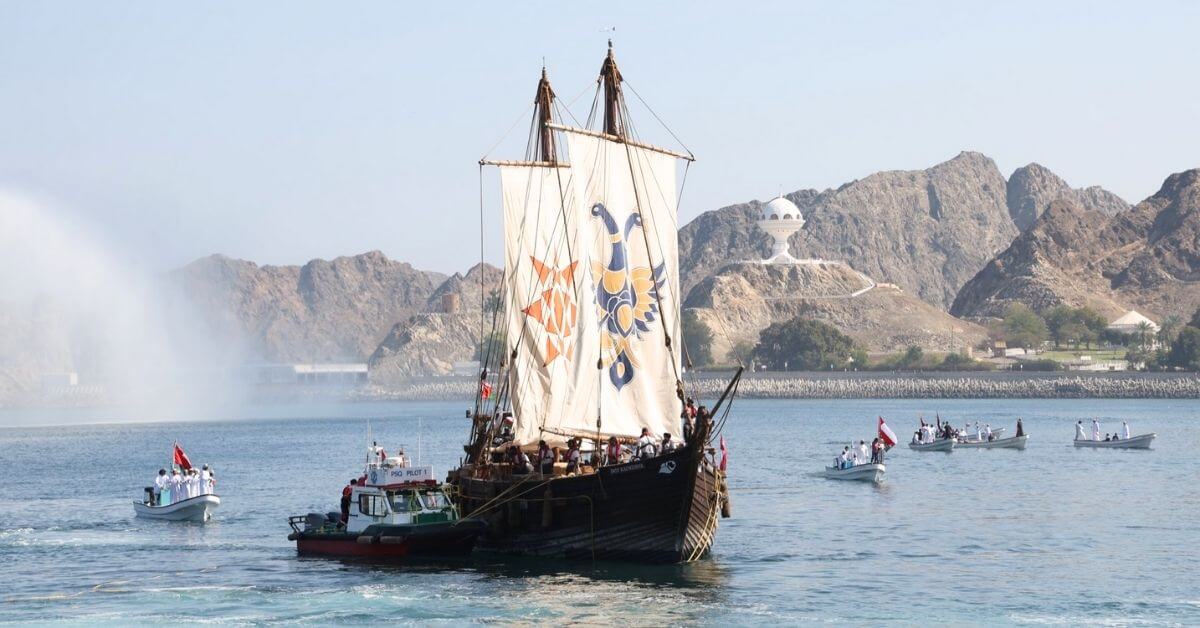
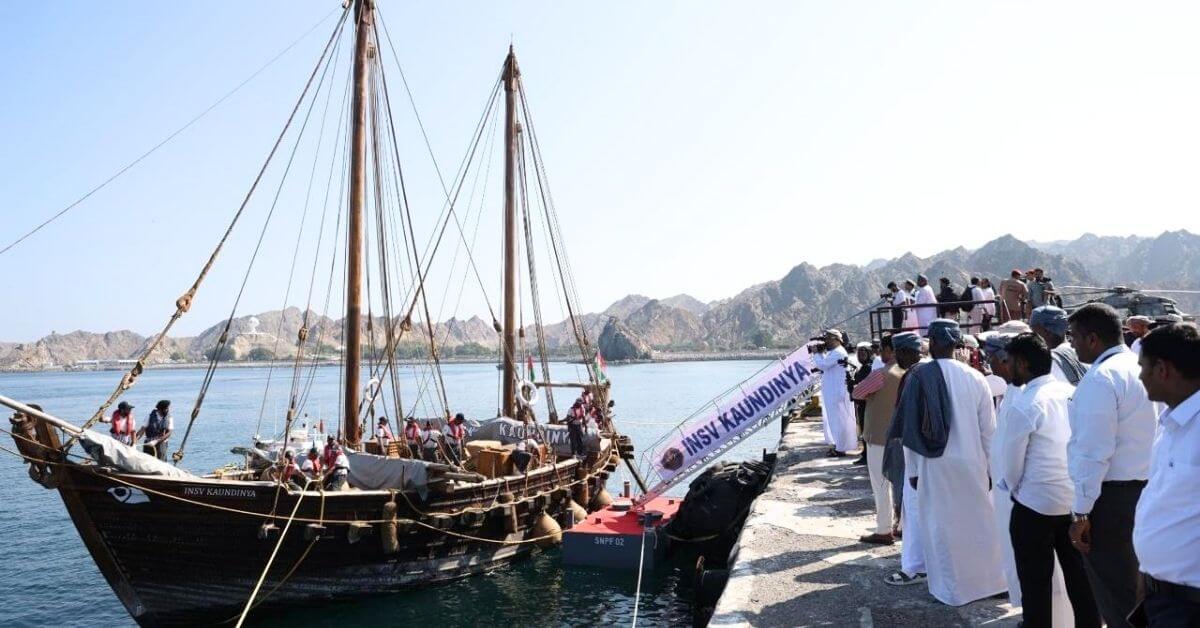
The Indian Naval Sailing Vessel (INSV) Kaundinya has successfully completed its maiden voyage from Porbandar in Gujarat and arrived in Muscat.
The traditionally built stitched sailing vessel undertook an 18-day voyage. The expedition also holds special importance as both countries mark 70 years of diplomatic relations.
The project was envisioned by Prime Minister Narendra Modi and executed by the Indian Navy with support from naval architects, archaeologists, traditional shipbuilding designers and master shipwrights.
INSV Kaundinya is inspired by a fifth-century CE vessel depicted in the Ajanta Cave paintings and has been built using ancient Indian shipbuilding techniques, including stitched-plank construction without the use of modern nails or metal fastenings.
On arrival at Port Sultan Qaboos in Muscat, the vessel was received by India’s Union Minister of Ports, Shipping and Waterways, Sarbananda Sonowal, along with officials from Oman.
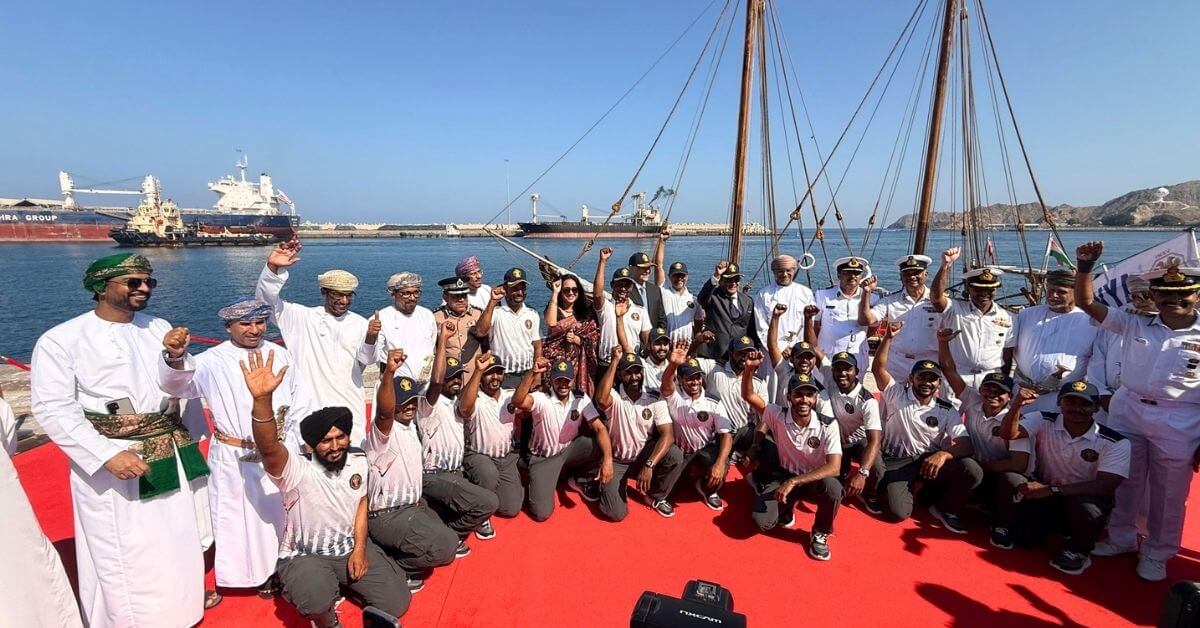
The reception was attended by Azzan Al Busaidi, Undersecretary for Tourism at Oman’s Ministry of Heritage and Tourism, as well as senior representatives from the Indian Navy, Royal Navy of Oman, Royal Oman Police Coast Guard and other ministries.
Members of the Indian community in Oman also participated in the welcome, which included traditional Indian and Omani cultural performances.
According to official information, the vessel is named after Kaundinya, the legendary Indian mariner who sailed across the Indian Ocean to Southeast Asia.
The ship represents India’s historical traditions of maritime exploration, trade and cultural exchange. It features sails with Gandabherunda and Sun motifs, a sculpted Simha Yali on the bow, and a Harappan-style stone anchor on the deck.
The construction of INSV Kaundinya began in September 2023 under a tripartite agreement signed in July 2023 between the Ministry of Culture, the Indian Navy and M/s Hodi Innovations, with funding provided by the Ministry of Culture.
The vessel was built by a team of skilled artisans from Kerala, led by master shipwright Babu Sankaran, who stitched wooden planks using coir rope, coconut fibre and natural resin.
The ship was launched at Goa in February 2025 and inducted into the Indian Navy in May 2025.
Commander Vikas Sheoran served as the skipper of the vessel, while Commander Y Hemant Kumar, associated with the project since its conceptualisation, acted as Officer-in-Charge of the expedition.
The crew consisted of four officers and 13 naval sailors. Sanjeev Sanyal, a member of the Prime Minister’s Economic Advisory Council, was also part of the crew and documented the journey along the ancient trade route.
The Indian Navy played an important role in overseeing the design, technical validation and construction of the vessel. With no surviving blueprints of such ships, the design was recreated using iconographic sources.
The hull form and traditional rigging were validated through hydrodynamic model testing at the Department of Ocean Engineering at IIT Madras, along with internal technical assessments.
Reference: ANI News
Source: Maritime Shipping News