
U.S Navy Veterans Develop Crewless & Captainless Warship With Impressive Range

Black Sea War Insurance Rates Rise Sharply After Drone Attacks On Oil Tankers
January 16, 2026
Pearl Harbor To House U.S Navy’s First Hypersonic-Armed Fleet By 2030
January 16, 2026
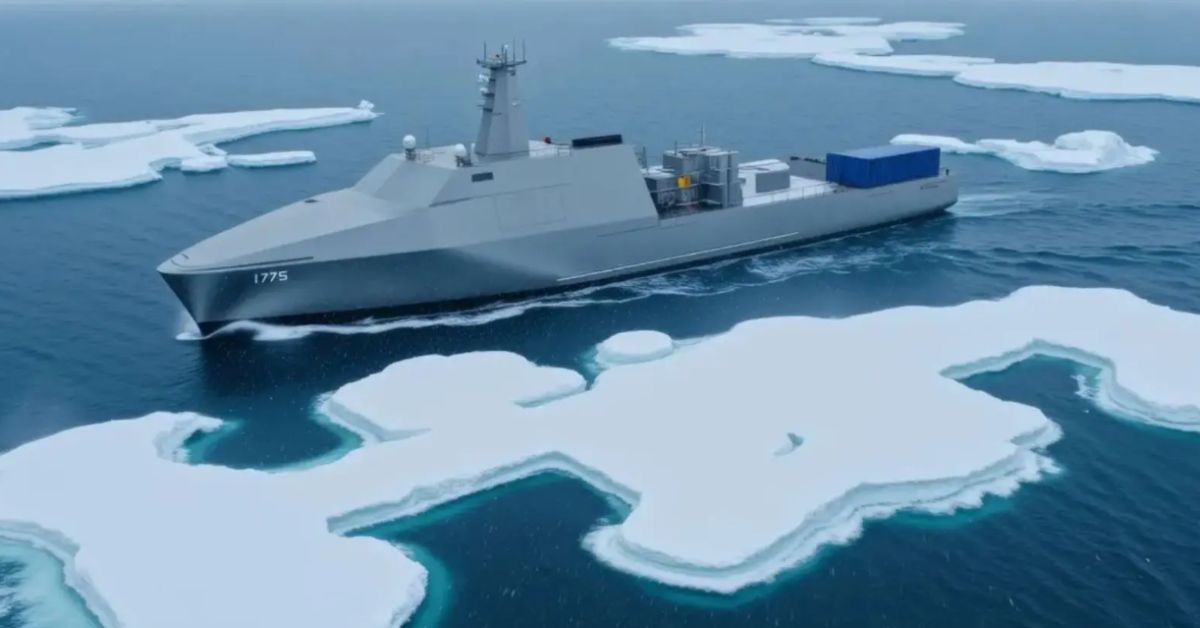
Blue Water Autonomy, a maritime technology startup based in Boston, has announced the development of a ship which has no captain and no crew.
The vessel is expected to enhance the US Navy’s autonomous capabilities.
Established in 2024 by former U.S Navy officers, the company is working to build a 100-foot, fully autonomous ship with a range of thousands of nautical miles.
According to the company, the new unmanned surface vessel could have a 100-ton displacement platform.
The ship will have multiple roles: transport cargo, conduct ISR missions, and support the delivery of naval munitions without human intervention.
The U.S has been working towards developing USVs for a long time.
Recently, the US Defence Advanced Research Projects Agency (DARPA) made a prototype USV called the USX-1 Defiant, which measures 180 feet and weighs 240 tons, and is being tested in challenging environments.
Companies like Andurill, Blue Halo and others are also investing in such projects for the U.S. Navy.
Ventures such as the Eclipse, Riot, and Impatient have invested $14 million in similar projects.
According to Blue Water, as geopolitical conflicts with China and Russia are ramping up military buildups across the world, the U.S Navy has to maintain deterrence in the Pacific region while ensuring the trade routes remain open and safe.
Chinese shipyards are also launching ships in the Pacific at a rapid pace, which the U.S is not able to match.
After deploying autonomous ships at scale and at a lower cost, the Navy can complement its current fleet and restore deterrence.
Sea power is the bedrock of American security and prosperity for centuries, said Rylan Hamilton, co-founder and CEO of Blue Water Autonomy.
He added that the maritime sector needs to be transformed entirely. It begins with supporting the U.S Navy and industrial partners to bring top technology, including ocean-going and fully autonomous ships.
The Navy will operate autonomous warships along with manned destroyers, submarines and aircraft carriers, offering new capability to the fleet.
Gradually, the unmanned technology developed for the Navy will make way to the commercial markets, in sectors like cargo, offshore energy, fishing and luxury transportation.
Source: Maritime Shipping News