
Germany Denies Entry To Russian-Linked ‘Zombie Tanker’ Into Territorial Waters

Trump-Class Battleship May Become The Most Expensive Warship Ever Built By The US
January 17, 2026
ABB Wins Contract For World’s Largest Shore Power System At Port Of Rotterdam
January 17, 2026

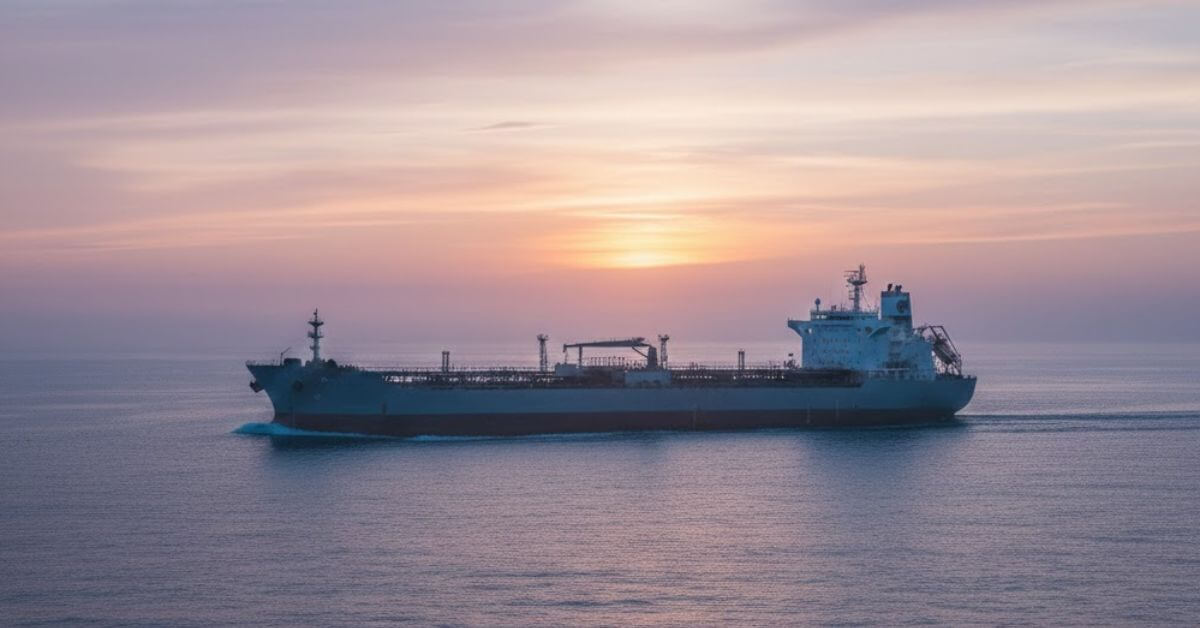
Germany has started blocking vessels linked to Russia’s so-called “shadow fleet” from entering its territorial waters in the Baltic and North Seas.
The move became clear on January 10, when German federal police stopped the tanker Tavian from passing through German waters.
The vessel, described by German media as a “zombie tanker,” was suspected of travelling from the North Sea towards the Baltic Sea, with an oil terminal in St. Petersburg believed to be its destination.
Per reports from Tagesschau, Deutsche Welle, Süddeutsche Zeitung, and broadcasters NDR and WDR, German authorities sent a police helicopter to the tanker and asked the captain to provide full details about the ship.
During the inspection, officials confirmed that Tavian has been on U.S. sanctions lists since 2021 and was sailing under a false flag using a forged International Maritime Organisation (IMO) number.
German law enforcement then informed the vessel that it would not be allowed to pass through Germany’s territorial waters in the Baltic Sea.
Shortly afterwards, the tanker turned around and left the area, with reports suggesting the captain may have feared the ship could be confiscated.
German media and maritime experts say Tavian is a 27-year-old tanker that has repeatedly changed its name and identification details.
The vessel is believed to be the tanker Tia, which was previously registered under a different IMO number. If confirmed, it would make it one of the oldest large oil tankers still operating.
The tanker Tia is listed under U.S. sanctions and by the organisation United Against Nuclear Iran.
Maritime intelligence firm Starboard Maritime Intelligence reported that after being denied entry, the tanker headed north and is now sailing towards the Norwegian Sea. From there, it could continue to Murmansk, another Russian oil port.
German maritime authorities have described this as the first recorded case of a “zombie tanker” being detected off Germany’s coast and then barred from its territorial waters.
Until recently, Germany had rarely taken direct action against vessels linked to Russia’s shadow fleet.
However, this approach has begun to change in recent months. Germany has previously denied passage to the Russian research vessel Akademik Boris Petrov and to the oil tanker Chariot Tide.
In December, Chariot Tide reported technical problems and dropped anchor in German waters of the North Sea, just a few nautical miles from underwater telecommunications cables.
Due to earlier incidents involving cable damage, German authorities boarded and inspected the tanker. The vessel initially sailed under the Gambian flag and later continued its voyage under the flag of Mozambique.
Media reports say Germany’s tougher stance is largely due to the increasing use of false flags and forged documents by shadow fleet vessels.
In the past, German authorities relied on the United Nations Convention on the Law of the Sea, which allows ships the right of “innocent passage” through another country’s territorial waters. However, this right applies only to ships sailing under their genuine national flag.
References: united24media, swedenherald
Source: Maritime Shipping News