
Libya Signs $2.7 Billion Partnership To Expand Misurata Free Zone Port

World’s First Methanol Dual-Fuel Kamsarmax Bulk Carrier Delivered
January 19, 2026
UAE Loads ‘Saqr Humanitarian Ship’ With 4,000 Tonnes Of Aid For Gaza
January 19, 2026
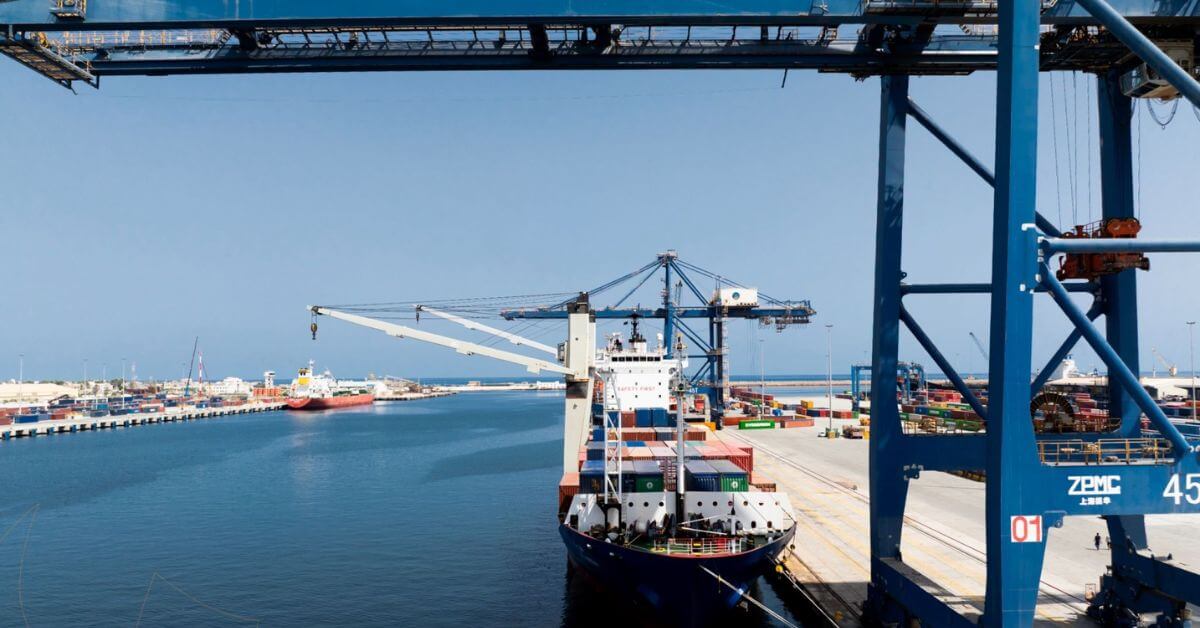
Libya has signed a major international deal to expand and develop the Misurata Free Zone (MFZ) port, attracting $2.7 billion in investment.
The project is expected to boost the port’s capacity, create jobs, and strengthen Libya’s role in regional trade.
Prime Minister Abdulhamid Dbeibah said the expansion would increase the port’s capacity to four million containers per year and generate around $500 million in annual operating revenues.
The project is expected to create about 8,400 direct jobs and roughly 60,000 indirect positions.
Dbeibah added that the development is based on direct foreign investment through a clear international partnership, allowing it to move forward without adding pressure on Libya’s state budget.
He said the project would improve Libya’s position among the region’s largest ports and place the country at the centre of logistics competition in the Western Mediterranean, while improving access to African markets.
The MFZ signed agreements with Terminal Investment Limited (TIL), part of shipping group MSC, to help transform the port into a competitive logistics hub connecting Africa, Europe and the Middle East.
Doha-based infrastructure investor Maha Capital Partners will provide long-term capital and strategic guidance.
The signing ceremony was held at the Misurata Free Zone and attended by Qatar’s Prime Minister Sheikh Mohammed bin Abdulrahman Al Thani and Italy’s Deputy Prime Minister and Foreign Minister Antonio Tajani.
The MFZ chairman said the deal shows Misurata’s commitment to building modern infrastructure that supports new industries, local employment and regional trade.
Misurata is a key port city around 200 kilometres east of Tripoli. Its port covers 190 hectares and is one of Libya’s main maritime gateways.
Libya’s economy relies heavily on oil, which accounts for more than 95% of economic output.
Despite expected GDP growth in 2025 from higher oil production, the International Monetary Fund has said the country faces ongoing fiscal and external imbalances.
The IMF highlighted the need for a unified fiscal framework, improved transparency, centralised wage payments, subsidy rationalisation, and long-term investment planning.
It also noted steps by the Central Bank of Libya to stabilise the exchange rate, including injecting foreign currency, formalising the exchange market, and strengthening monetary tools.
Reference: Reuters
Source: Maritime Shipping News