
U.S. Forces Kill Two In Strike On Suspected Drug Trafficking Vessel In Eastern Pacific

After 23-Year Delay, Nigeria Finally Opens $700M Cabotage Vessel Fund To Shipowners
January 27, 2026
Oil Tanker Carrying Venezuelan Crude Heads Straight To U.S. In First Shipment Under New 50-Million-Barrel Oil Supply Deal
January 27, 2026
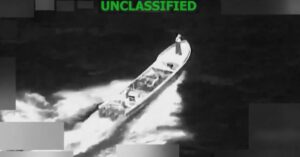
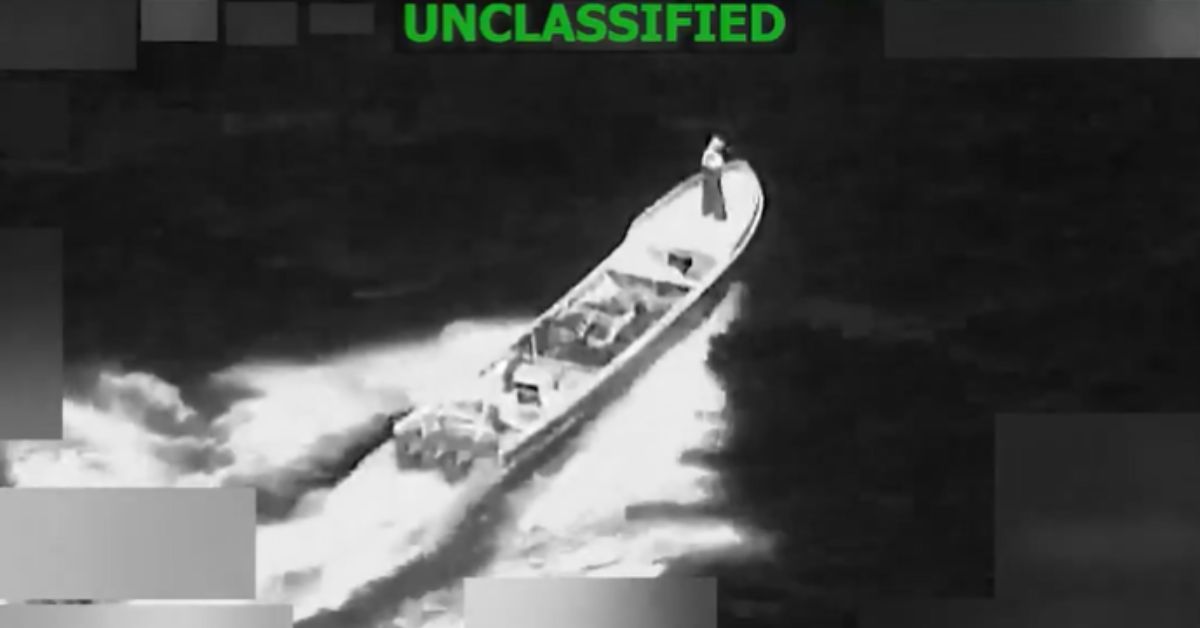
U.S. forces carried out a strike on a vessel suspected of drug trafficking in the Eastern Pacific on Friday, killing two people and leaving one survivor, U.S. Southern Command (SOUTHCOM) said.
The strike is the first such operation of 2026 and took place 23 days after the previous one, marking the longest gap between strikes since the United States began targeting suspected drug boats.
SOUTHCOM said the vessel was travelling along known drug trafficking routes and was believed to be involved in illegal narcotics operations.
Following the strike, SOUTHCOM contacted the U.S. Coast Guard to begin search and rescue efforts for the survivor.
However, neither SOUTHCOM nor the Coast Guard has provided further updates on the search. With the latest operation, the total number of people killed in U.S. strikes on suspected drug vessels has reached 117.
Defence Secretary Pete Hegseth had earlier said the pause between strikes was due to the inability to locate suspected drug boats.
On Jan. 23, at the direction of @SecWar Pete Hegseth, Joint Task Force Southern Spear conducted a lethal kinetic strike on a vessel operated by Designated Terrorist Organizations. Intelligence confirmed the vessel was transiting along known narco-trafficking routes in the Eastern… pic.twitter.com/BzeBBapfMQ
— U.S. Southern Command (@Southcom) January 23, 2026
The type of drugs being carried by the vessel has not been confirmed. President Donald Trump has previously claimed that such boats transport cocaine and fentanyl, and his administration has classified fentanyl as a weapon of mass destruction.
However, according to the Government Accountability Office, fentanyl typically enters the United States through passenger vehicles crossing the Mexican border rather than by sea.
Hegseth has described earlier counter-narcotics missions as law enforcement operations in which suspected traffickers were often detained and later released.
He explained that drug interdiction efforts were largely handled by the Coast Guard, with support from the Navy, including vessels carrying Coast Guard law enforcement teams.
He further stated that the current approach focuses on directly targeting drug boats operating in international waters instead of intercepting and releasing suspects.
The strikes have raised legal concerns among U.S. lawmakers, with questions being asked about the use of military force against suspected drug traffickers on the high seas.
References: USNI News, Fox News
Source: Maritime Shipping News