
Panama Court Cancels CK Hutchison Port Contracts For Violating Constitution & Public Interest

Taiwan’s First Domestically Built Submarine Completes Maiden Underwater Trial
January 31, 2026
US Coast Guard Seizes $33 Million Cocaine Shipment In Eastern Pacific, 3 Arrested
January 31, 2026
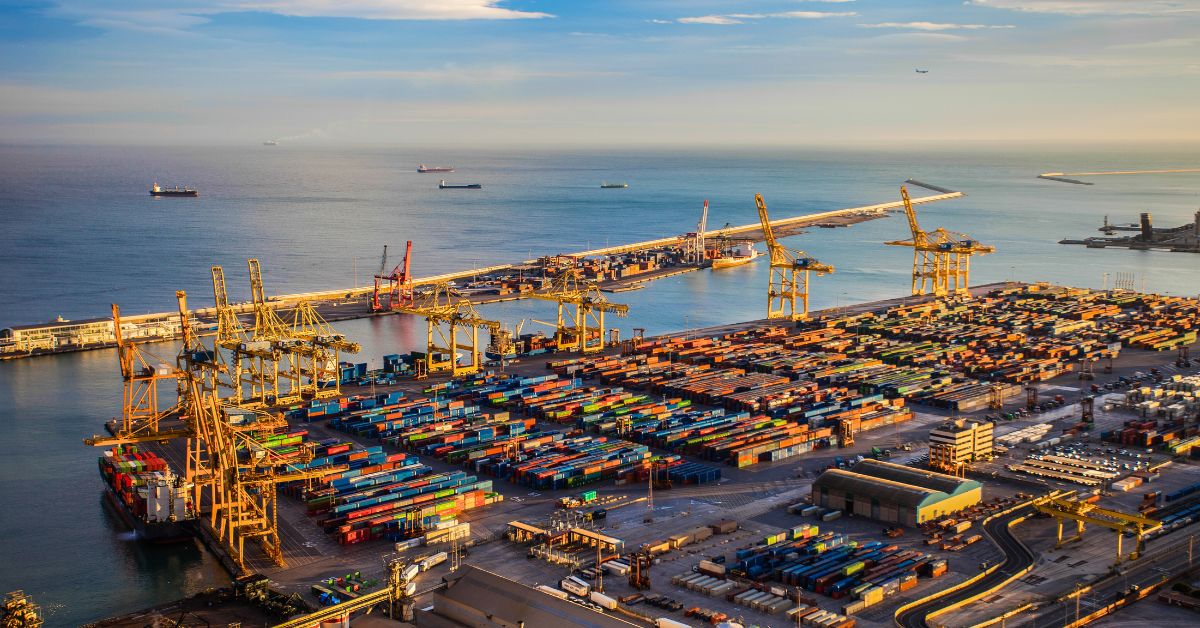
Panama’s Supreme Court has annulled port concession contracts held by Panama Ports Company (PPC), a subsidiary of Hong Kong-based CK Hutchison Holdings, after ruling that the agreements violated the country’s constitution and did not serve the public interest.
The court said the contracts covering the Balboa and Cristobal container terminals at the Pacific and Atlantic entrances of the Panama Canal were unconstitutional.
According to the court, the agreements granted exclusive privileges and tax exemptions that were not available to other operators, lacked environmental impact assessments and required the Panamanian government to obtain the company’s approval before granting future port concessions.
While the decision was announced late on Thursday, the full written ruling explaining the legal reasoning has not yet been released. The decision was first obtained by local television station TVN and later confirmed by a court official.
Panama Ports Company has operated the two ports since the 1990s under concession contracts that are separate from the canal’s waterway operations. The contracts were most recently renewed in 2021 for another 25 years.
The annulment follows earlier conclusions by Panama’s attorney general and comptroller, who had both described the agreements as unconstitutional.
The comptroller’s office had also alleged that CK Hutchison failed to pay around US$1.2 billion to the Panamanian state, a claim disputed by PPC, which has said it paid US$59 million to the government over the past three years and remains the only port operator in which the state holds a share.
The ruling has created uncertainty over the future of the two ports and could affect CK Hutchison’s proposed US$23 billion sale of dozens of ports worldwide.
The deal, announced in March 2025, involved selling non-Chinese port assets, including the Panama terminals, to a consortium led by U.S. asset manager BlackRock and Mediterranean Shipping Company (MSC).
CK Hutchison did not immediately comment on the court decision, but its Hong Kong-listed shares fell 5.5 per cent on Friday, marking their biggest one-day drop in nine months.
To ensure continuity, Panama’s Maritime Authority said on 30 January that APM Terminals, part of Denmark’s Maersk Group, would act as a temporary administrator of the Balboa and Cristobal ports.
APM Terminals said it was ready to operate the ports during the transition period to support essential services and reduce risks to shipping operations.
Panamanian President Jose Raul Mulino said the canal would continue to operate without disruption and confirmed that there would be a transition period before a new concession is offered under terms more favourable to the country.
He has previously described the CK Hutchison contract as “extortionate” and has said public-private partnerships could take over the ports if the concession was invalidated.
China’s Foreign Ministry said Beijing would take “necessary measures” to protect the legitimate interests of Chinese companies but did not specify what actions it might take.
The ministry also said the company reserves the right to pursue legal action and argued that the ruling conflicts with the framework under which the concession was granted.
CK Hutchison and PPC criticised the ruling, saying it lacked legal basis and could affect jobs and financial stability linked to port operations.
The Hong Kong government also condemned the decision, saying it opposed the use of coercive or unreasonable measures that could harm Hong Kong businesses.
The United States welcomed the court’s decision, which comes amid rising tensions between Washington and Beijing over global trade routes.
U.S. President Donald Trump had criticised China’s influence around the Panama Canal and supported the proposed sale of the ports to U.S.-linked investors.
China had opposed the deal and reportedly pushed for its state-owned company, COSCO, to take control, which delayed the transaction.
The Panama Canal handles about 5% of global shipping and 40% of U.S. container traffic, making nearby ports vital for international trade.
Analysts say the ruling could force Panama to change its rules for port contracts and may require new bidding for the terminals. They also warn that foreign investors might be more cautious about investing in strategic projects in the region.
References: Reuters, cnbctv18
Source: Maritime Shipping News