
Maersk & Hapag-Lloyd Reroute IMX Service Through Red Sea With Naval Protection

PCG Locates Sunken MV Trisha Kerstin 3 Off Basilan; Death Toll Rises To 45
February 4, 2026
US Approves License For Texas Deepwater Oil Export Terminal After Six-Year Review
February 4, 2026
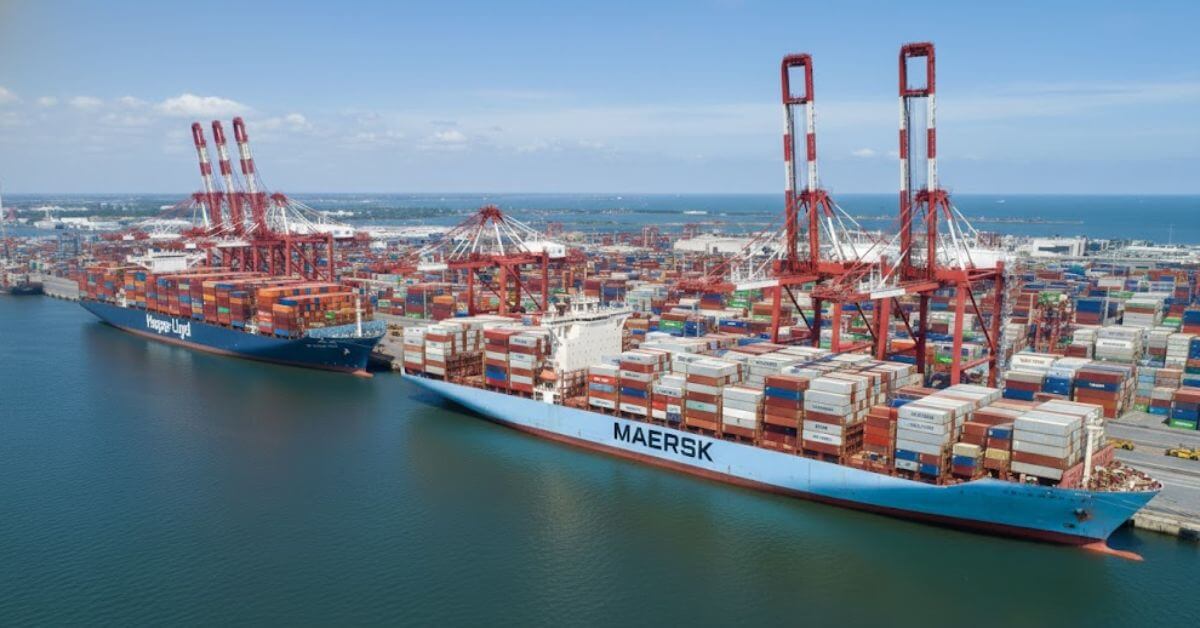
Maersk and Hapag-Lloyd have decided to change the routing of one of their shared container services under the Gemini Cooperation, allowing a limited return to the Red Sea and the Suez Canal.
The change affects the IMX service, which connects India and the Middle East with the Mediterranean.
From mid-February, vessels on this service will transit the Red Sea, with all passages secured by naval assistance, the carriers said.
The revised routing will begin on westbound sailings with the vessel Albert Maersk and on eastbound sailings with Astrid Maersk.
For the ME11 service, the westbound change will be implemented from Albert Maersk, voyage 605W, sailing from Jebel Ali to India and expected to depart the port of Mundra on 4 February 2026.
On the eastbound route, the change will start with Astrid Maersk, voyage 605E, departing Valencia, Spain, on 3 February 2026.
The companies said the decision follows detailed security assessments. They stated that the safety of crews, vessels and cargo remains the top priority and that the situation in the Middle East will be monitored very closely.
Maersk and Hapag-Lloyd also said that changes to the SE1 and SE3 services may be considered at a later stage, depending on conditions.
At present, no further changes to the Gemini Cooperation network related to the Red Sea are planned.
Maersk added that contingency plans are in place if the security situation worsens. This could require individual sailings, or the ME11 service as a whole, to return to the longer Cape of Good Hope route.
The Gemini Cooperation between Maersk and Hapag-Lloyd began operations on 1 February 2025.
The network includes 29 shared mainline services and 29 shared shuttle services on major East–West trade routes.
References: Hapag Lloyd, Maersk
Source: Maritime Shipping News