

EU Plans Sweeping Ban On Shipping Services To Tighten Sanctions On Russian Oil

Indian Coast Guard Intercepts 3 Vessels In Major Bust Of International Oil Smuggling Syndicate
February 9, 2026
Norway Warns Of Increased Russian Spying In The Arctic After Closing Ports To Russian Vessels
February 9, 2026
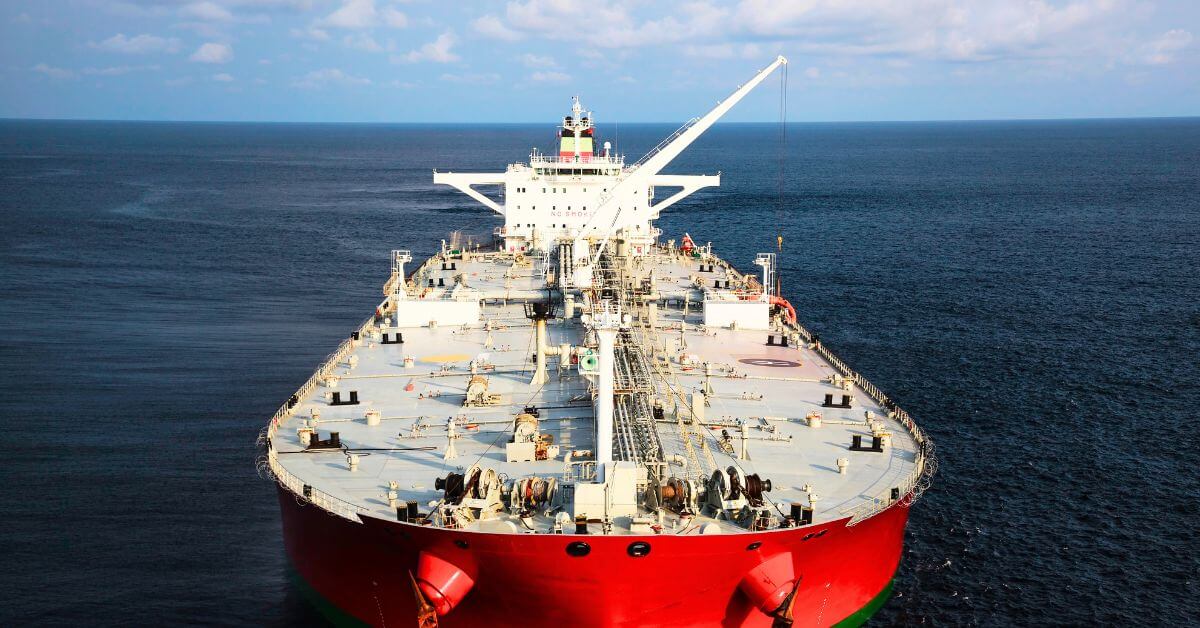
The European Union is planning its strongest action yet against Russia’s oil trade by targeting the shipping services that allow crude to be transported by sea.
The proposal would block European companies from supporting Russian oil shipments, regardless of price, in a move designed to directly disrupt how the trade operates.
The European Commission has proposed banning EU firms from providing shipping, insurance, financing and other maritime services linked to Russian crude exports.
If approved, the measure would effectively replace the G7 oil price cap by cutting off access to Western services entirely, rather than limiting oil prices.
The proposal focuses on the systems that still play a major role in moving Russian oil.
More than one-third of Russia’s crude exports are carried using tankers and services connected to EU countries such as Greece, Cyprus and Malta.
These shipments mainly supply India and China. Without access to European services, Russia would be forced to rely even more heavily on its shadow fleet of tankers operating outside standard regulations.
The measures are part of the EU’s 20th sanctions package since Russia invaded Ukraine.
The package also includes plans to add 43 more vessels to the EU’s shadow fleet blacklist, which would increase the total number of sanctioned ships to around 640.
Further proposals aim to tighten pressure on Russia’s financial system.
The European Commission has included sanctions on regional Russian banks and cryptocurrency firms accused of helping Russia evade existing restrictions.
New import bans are also planned on Russian metals, chemicals and critical minerals that are not already under sanctions.
European Commission President Ursula von der Leyen has indicated that the shipping services ban should be introduced in coordination with the Group of Seven countries and other international partners.
She has also pointed to Russia’s banking system as a weak point, saying the EU intends to limit Moscow’s ability to fund its economy through alternative payment channels.
Additional measures in the package include new bans on goods and services such as rubber products, tractors and cybersecurity services linked to Russia.
EU ambassadors from the bloc’s 27 member states are expected to begin discussing the proposals on Monday. Although the EU has already adopted 19 sanctions packages, negotiations on new measures can take several weeks.
The EU is aiming to have the latest sanctions package approved by 23 February, one day before the fourth anniversary of the war in Ukraine.
References: Reuters, AP New
Source: Maritime Shipping News