

Many Russian Oil Tankers List Singapore As Destination Amid Sanctions Pressure

2 Killed In Latest US Military Strike On Alleged Drug-Smuggling Boat In Pacific Ocean
February 10, 2026
Mexico Launches First Antarctic Research Campaign With Ukraine’s Support
February 10, 2026
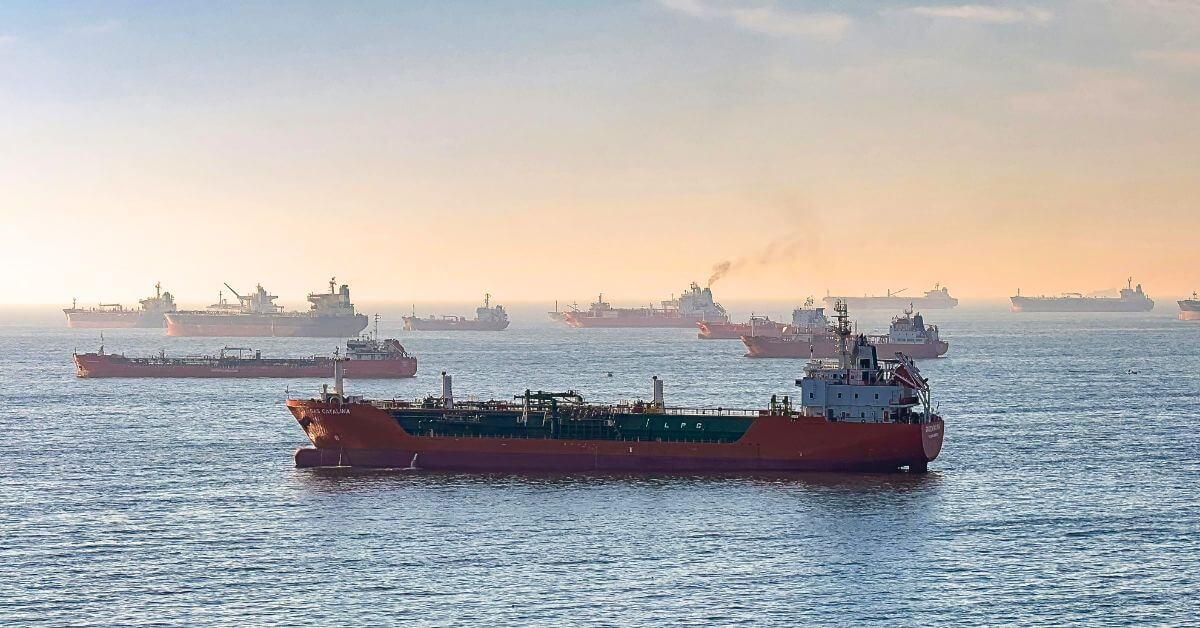
Russian oil tankers are increasingly listing Singapore as their destination, pointing to growing difficulties in selling crude oil as Western sanctions continue to affect trade flows, according to shipping data from the London Stock Exchange Group (LSEG) and market sources.
LSEG data shows that tankers carrying about 1.4 million metric tonnes of Russian crude departed for Singapore in January, the highest monthly volume seen in recent years.
Traders say Russia’s oil exports are facing pressure as usual buyers step back.
Singapore does not import Russian oil because of sanctions risks. However, traders said that nearby waters are often used for ship-to-ship transfers.
In many cases, vessels later unload their cargo near Malaysia or transfer oil to floating storage units, with Singapore listed only as a temporary destination.
Traders said using ports like Singapore, Port Said, or the Suez Canal helps hide the final destination and avoid sanctions.
A Moscow-based oil trader reportedly said the growing use of such destinations shows increasing problems with sales and a shrinking number of reliable buyers.
Traders said tanker routes are changing as India may reduce or stop buying Russian oil after a recent trade deal with the United States, leaving China as Russia’s main customer.
Traders added that Chinese state-owned oil companies are cautious about buying spot cargoes because of sanction risks, further limiting Russia’s export options.
Earlier, tankers to India often listed Port Said or the Suez Canal as their destination.
Now, traders say more ships are using unclear or conditional destinations, showing how sanctions have made Russia’s oil trade more complicated.
Reference: Reuters
Source: Maritime Shipping News