
U.S. Coast Guard Riddled With Staff & Ship Shortages Despite $25 Billion Funding

Maersk Orders 8 Large Container Vessels From A Chinese Shipyard
February 10, 2026
Venezuelan Tankers Detained In Dutch Caribbean For Safety Reasons
February 10, 2026
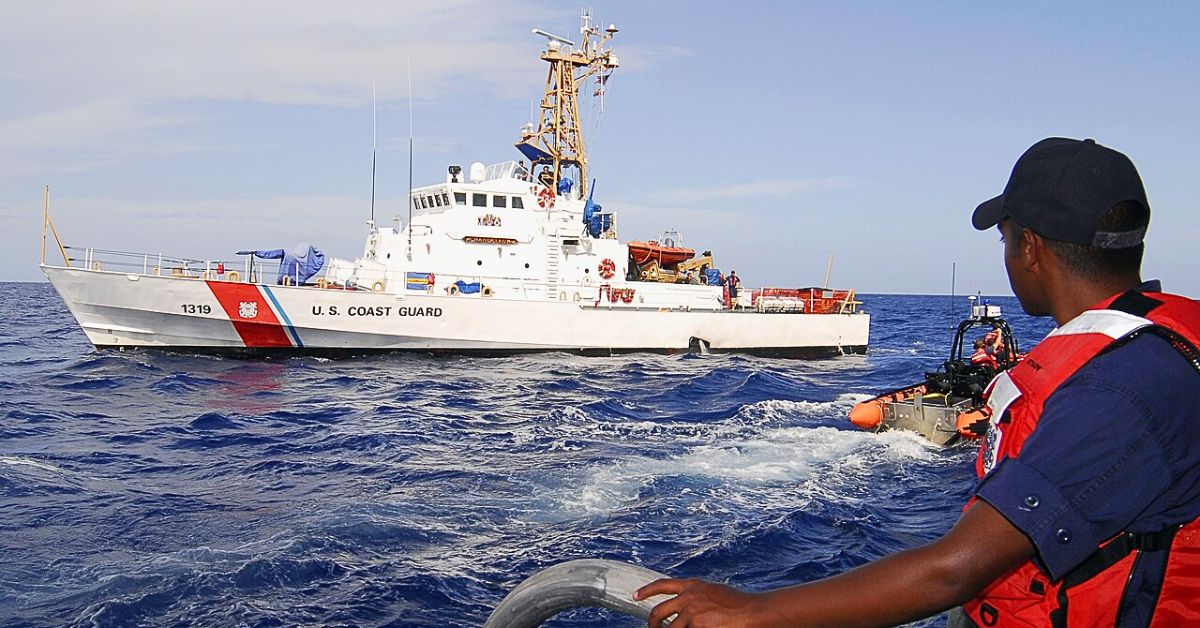
The US Coast Guard has received nearly $25 billion in supplemental funding for fiscal year 2025, its largest ever single investment.
Despite this, a new Government Accountability Office (GAO) report warns the Service still faces serious staff shortages and equipment problems that could affect its operations.
In testimony released on 3 February ahead of a House Homeland Security subcommittee hearing, GAO highlighted gaps in staffing, maintenance, and acquisition management, raising questions about the Coast Guard’s ability to carry out its growing maritime security responsibilities.
The report says the Coast Guard finished fiscal year 2024 with 2,600 fewer enlisted personnel than its target, an 8.5% shortfall.
GAO also noted that the Service may not have the right mix of specialised personnel needed to tackle maritime threats effectively.
Medium Endurance Cutters have seen declining mission availability from 2020 to 2024, mainly due to increasing maintenance challenges.
Major acquisition programmes are under pressure as well. GAO reported that the Offshore Patrol Cutter programme, a top priority, could face delays and cost overruns because of outdated cost estimates and incomplete ship designs.
Overall, the Coast Guard’s $40 billion modernisation portfolio continues to face long-standing issues.
The funding is intended to support a wide-ranging modernisation plan, including up to 17 icebreakers, 21 cutters, over 40 helicopters, and six C-130J aircraft, along with upgrades to shore facilities, training centres, and surveillance systems.
Key allocations include $4.4 billion for shore facilities and training, $4.3 billion for Polar Security Cutters, $4.3 billion for nine Offshore Patrol Cutters, and $2.3 billion for MH-60 helicopters.
GAO issued 26 recommendations to address staffing shortages, readiness problems, and acquisition risks. By January 2026, only four recommendations had been fully implemented.
The most pressing unresolved issues include creating a strong workforce retention plan and stabilising ship designs before further construction.
The report also highlighted that the Coast Guard’s mission has expanded beyond traditional roles, now serving as the nation’s leading force for drug interdiction and maritime border security.
The funding aims to support Force Design 2028, a long-term effort to modernise the Service’s operations and capabilities.
GAO concluded that money alone will not solve these challenges. Without improvements in workforce planning, maintenance, and acquisition management, the Coast Guard risks continuing to fall short of its growing operational needs.
The agency will continue to monitor progress on the remaining recommendations.
References: Government Accountability Office
Source: Maritime Shipping News