

U.S Navy To Incorporate Lockheed Martin’s Parasitic Drone ‘Lamprey’ In Its Ships

410 Ships Abandoned In 2025 & 6223 Seafarers Left Without Pay Or Provisions, Says ITF
February 11, 2026
Overloading Caused The Philippine Ferry Sinking, Killing 51 People, Probe Reveals
February 11, 2026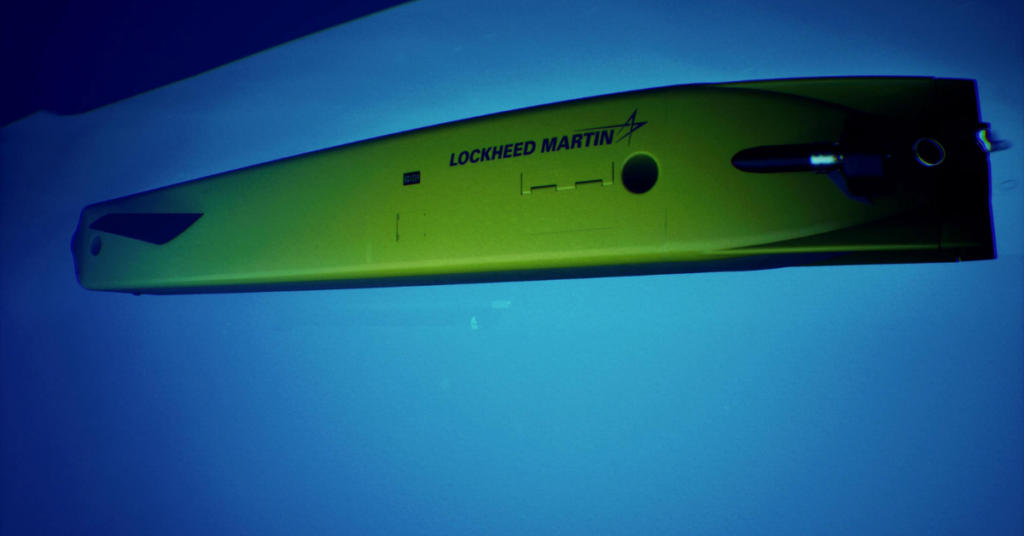
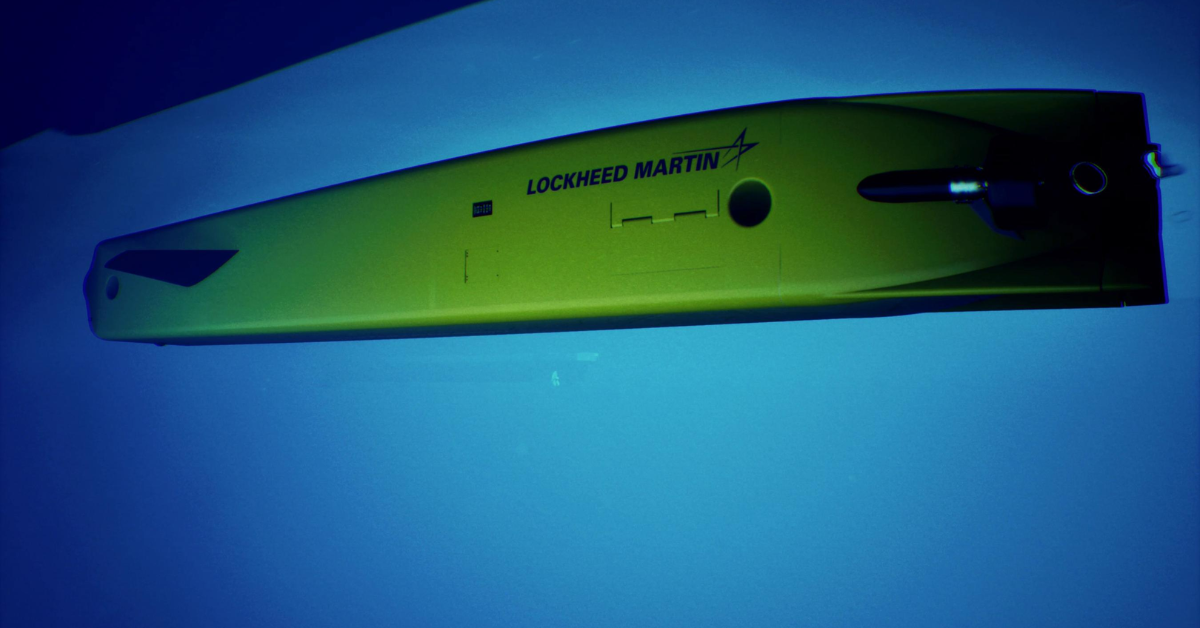
Lockheed Martin revealed its latest creation, called the Lamprey, an autonomous underwater vehicle ( MMAUV – Multi-Mission Autonomous Undersea Vehicle ) that can attach like a parasite to a ship’s hull and recharge itself.
The parasitic drone has a docking system which allows it to stick to the surface of submarines or ships, after which it uses hydrogenerators to recharge its batteries by exploiting the flow of water generated by the movement of the host vessel.
Hence, the drone can reach the area of operations with 100% battery life, ready for action,
Lamprey is truly the ‘Swiss Army Knife’ of naval warfare, as experts recently called it.
Despite its compact size, it can accommodate reconnaissance systems, launch 6 drones via twin launchers or function as an attack submarine by launching small torpedoes towards enemy ships or other drones.
It can also release decoys similar to the Mk 39 EMATT, which simulate the acoustic signature of a large submarine to confuse enemy sonars or sonobuoys.
It can act as a radio relay, partially surfacing to transmit airborne data (for example, to an F-35) or landing on the seabed to act as a silent sentry.
At present, patrolling a waterway requires a frigate or a patrol ship whose operatingcosts can touch thousands of dollars in a single day.
However, the Lamprey can do the same job and much more at a fraction of the cost.
Lamprey could also stick to an enemy vessel and act like a mine, ready to explode or damage the enemy’s sensors.
The development of the Lamprey is a big achievement for the U.S Navy, which is seeking ways to expand its fleet size amidst labour shortage and supply chain issues, not to forget the growing Chinese naval fleet and areas of influence in the Indo-Pacific region.
Lamprey could be useful in many ways, as it offers quick solutions and reduces the need to build massive ships.
Source: Maritime Shipping News