

Arctic Shipping Surges 40% As Vessel Traffic Hits Record High In 2025

21-Year-Old Marine Declared Dead After Falling Overboard From USS Iwo Jima In Caribbean
February 13, 2026
World’s First Use Of Low-Carbon Methanol Fuel On Oceangoing Bulk Carrier Achieves 65% GHG Reduction
February 13, 2026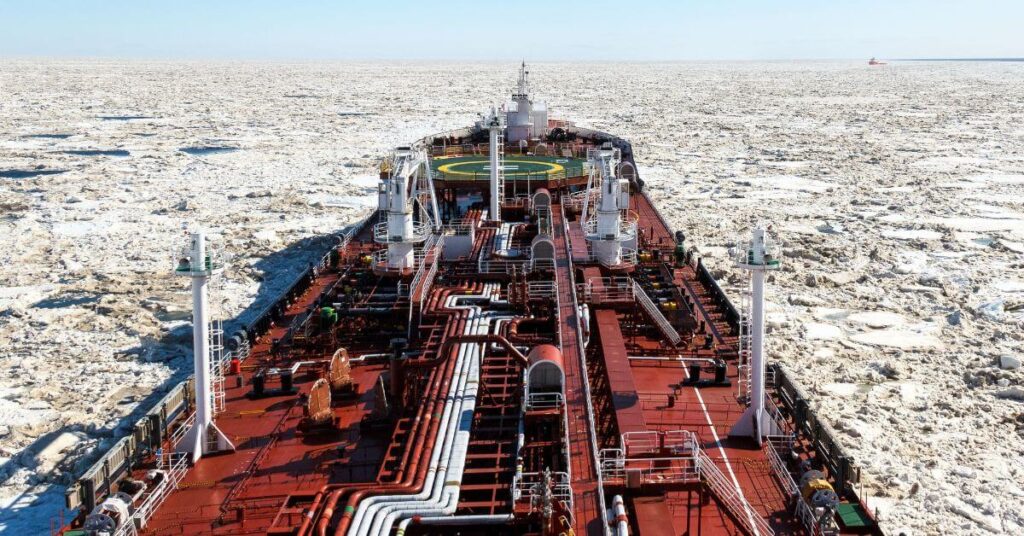
New data sheds light on 12 years of Arctic shipping trends
The number of ships operating in the Arctic reached a record high in 2025, according to new data from the Arctic Council Working Group on the Protection of the Arctic Marine Environment (PAME). The Working Group has been tracking Arctic shipping traffic trends since 2013 utilizing its Arctic Ship Traffic Data (ASTD) System.
PAME’s updated data reveals just how much Arctic shipping is increasing, how far they’re sailing, what types of ships are in the region and more.
Increase in ships in the Arctic and distance sailed
In 2025, 1812 unique ships entered the Arctic Polar Code area. This is a 40% increase from 2013 when data collection began. The term unique ships refers to each ship only counted once, although many ships enter the area multiple times each year.
Comparing 2013 to 2025, the distance sailed by ships in the Arctic Polar Code Area increased 95%, from 6.1 million to 11.9 million nautical miles. The distance represents the aggregate sailed for each ship in nautical miles.
The increase in shipping coincides with diminishing sea ice in the Arctic. The number of unique ships entering the Arctic Polar Code area is generally highest in the month of September, when Arctic sea ice is at its lowest extent.
In September 2025,1060 ships entered the Polar Code area out of the total 1812 ships that entered the entire year, amounting to 58% of traffic.
Types of ships in the Arctic
Fishing vessels are the most common type of ship in the Arctic, representing 40% of all ships that entered the Arctic Polar Code area. The second most common ship type is general cargo ships.
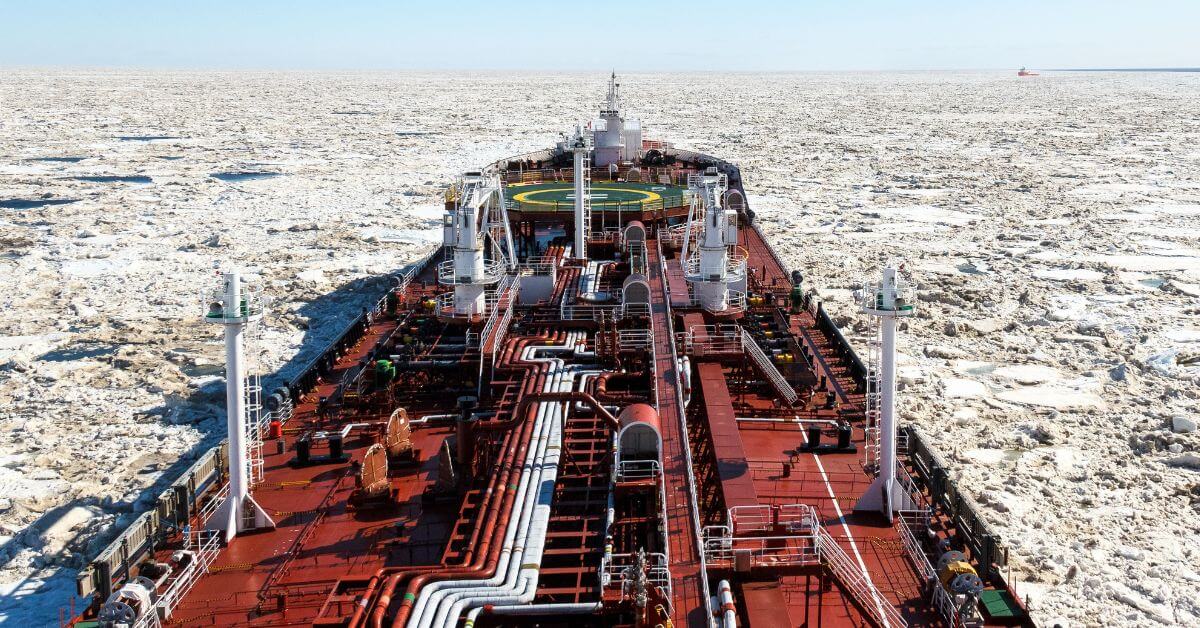
Between 2013 and 2025, the ship type that saw the greatest increase in the Arctic was crude oil tankers, which saw a 396% increase over the 12 years.
The second greatest increase was bulk carriers with 156% more in 2025 than in 2013. Cruise ships have also increased significantly, with 123% more cruise ships in 2025 than in 2013.
Why is Arctic shipping increasing?
Changes to the marine environment, such as a decrease in the extent of sea ice and the loss of older, thick ice, have significant implications for longer navigation seasons and new access to previously difficult to reach regions of the Arctic.
Hjalti Hreinsson, Deputy Secretary at PAME who administers the ASTD System, shares some insight into why we are seeing the trends in PAME’s Arctic Shipping Status Reports.
“Several reasons contribute to the increase in Arctic shipping,” said Hjalti Hreinsson. “One of them, and perhaps the most prominent one, is an increase in natural resource extraction. Compared to other marine areas worldwide, there aren’t that many ships in the Arctic, and new projects will strongly impact statistics.”
“For example, two large projects – the Mary River Mine in Nunavut and the Yamal Gas project – have led to increases in shipping in the Arctic Polar Code area. The number of bulk carriers has significantly increased as has the traffic of gas tankers, of which there were almost none in the Polar Code area prior to 2018. There is also a rise in Arctic cruise tourism, demonstrated by the increase of vessels in the high north.”
The Mary River Mine began operations in 2015 to mine one of the world’s richest iron ore deposits. Consequently, bulk carrier traffic has increased substantially. In the Baffin Bay area, where the Mary River Mine is accessed, bulk carriers have increased by 540%. In 2025, bulk carriers sailed 130,684 nautical miles compared to just 3,559 nautical miles in 2013 before the project began.
The Yamal Gas Project encompasses natural gas production, liquefaction and shipping. Prior to the launch of the Yamal LNG project in Russia, the volume of gas tankers in the Arctic Polar Code area was minimal. Now, several tankers transport gas from Yamal directly to foreign markets, including to Asia. A total of 15 LNG carriers were custom-designed and built for the Yamal LNG project to support year-round navigation. The number of unique gas tankers in the Polar Code area in 2025 were 40.
The need for more Arctic shipping data
As Arctic shipping increases, it’s critical to collect data and monitor trends. Collecting data about Arctic shipping, including the number, type, origin, destination, distances traveled, voyage time of year, and related information contribute to enabling safer shipping in the Arctic.
In response to a growing need for accurate, reliable and up-to-date information on Arctic shipping activities, PAME developed the Arctic Ship Traffic Data (ASTD) System. The ASTD System collects a wide range of historical information, including ship tracks by ship type, information on number of ships in over 400 ports/communities across the Arctic, detailed measurements on emissions by ships, shipping activity in specific areas, and fuel consumption by ships. PAME uses data from the ASTD System to conduct analyses and reports related to Arctic shipping, including this Arctic Shipping Status Report and four others.
“We are producing more reports. The next one will be on smaller vessels in the Arctic, and we are also developing reports on cruise and passenger ships in the Arctic, fishing vessels – which is by far the most common ship type in the Arctic, and we are also partnering with expert from France to develop a report on accidents by ships in the Arctic,” Hjalti added.
Soon, a major update for the ASTD will include detailed statistics and information for around 500 ports in the Arctic, which will contribute to a comprehensive assessment of ship traffic in Arctic ports going forward. Another major forthcoming update will allow for users to see where ships come from to the Arctic. “Users will be able to see the last port of entry before a ship enters the Arctic area, that will open up for some new opportunities.”
Source: Maritime Shipping News