
AI Technology To Help Cut Planning Time By 50% And Optimise Vehicle Loading On Car Carriers

U.S Navy Deploys Largest Aircraft Carrier, USS Gerald R.Ford To Middle East As Conflict With Iran Intensifies
February 19, 2026
Indian Navy Likely To Commission Third Indigenous Nuclear-Powered Submarine “INS Aridhaman”
February 20, 2026
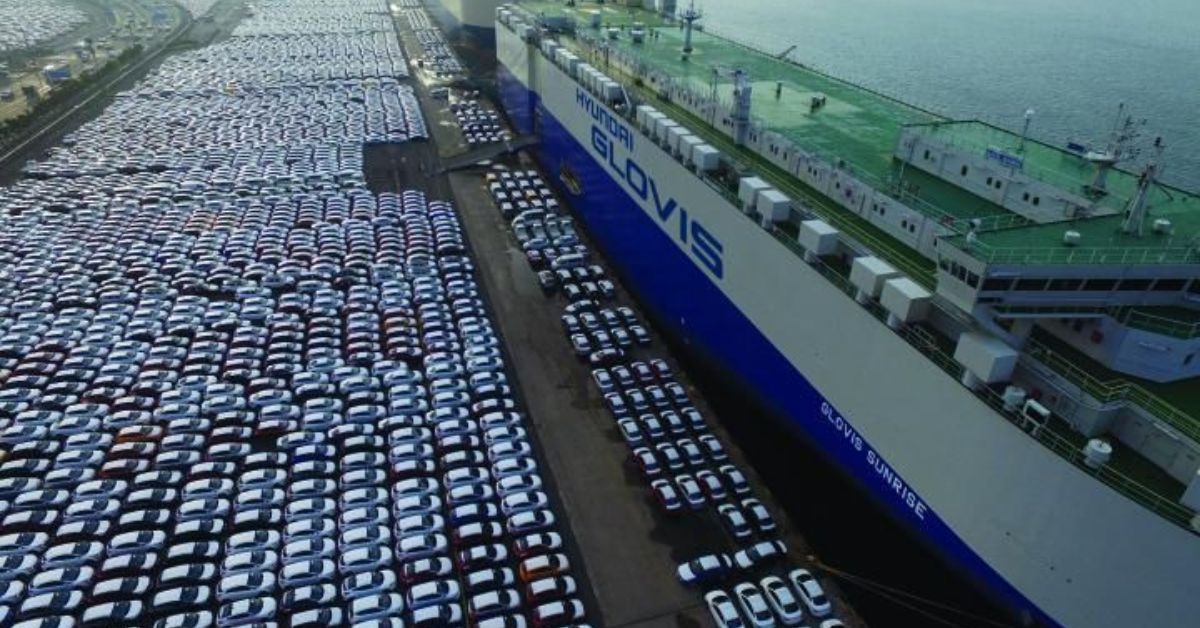
Hyundai Glovis revealed an AI-based stowage planning system for its pure car and truck carriers (PCTCs) to improve efficiency and maritime safety in vehicle shipping.
Stowage planning is all about how cargo is systematically loaded onto a ship, so it does not move from its position or cause issues while unloading.
The AI-based system utilises a data model which studies the interior of a specific car carrier and divides it into different sections and zones, while tracing its structural features and analysing vehicle movement patterns.
After this, the AI suggests the best loading routes and even positions for every individual vehicle.
Once you input data like the type of vehicles to be loaded, columns and ports of loading and unloading, the system generates the most efficient loading plan after checking for movement bottlenecks, height and weight limitations and other important factors.
It also makes sure that the loading sequence of each vehicle matches the unloading schedule at every port.
If the system works smoothly, it can help solve a major problem for car carrier operators since these ships, which transport thousands of vehicles in a single voyage, pose unique challenges and risks.
Additionally, each car carrier has a slightly different internal layout, and its cargo composition also changes per trip, which makes standardised planning quite cumbersome.
If a loading plan is poorly designed, it can block vehicles scheduled for early unloading behind those meant to be delivered at later destinations, leading to time-consuming reloading, causing delays and extra expenses.
The company claims that its AI-based system cuts planning time by half compared to traditional stowage planning methods.
The team is working to reduce the planning time even further to enhance operational efficiency.
Source: Maritime Shipping News