

Denmark Airlifts US Submarine Crew Member In Urgent Arctic Medevac Off Greenland

Ukraine Destroys Two Russian Patrol Ships And Be-12 Aircraft In Massive Drone Strike
February 23, 2026
Indigenous Protesters Shut Down Cargill’s Major Amazon Port, Disrupt Brazil’s Massive Soy Exports
February 23, 2026
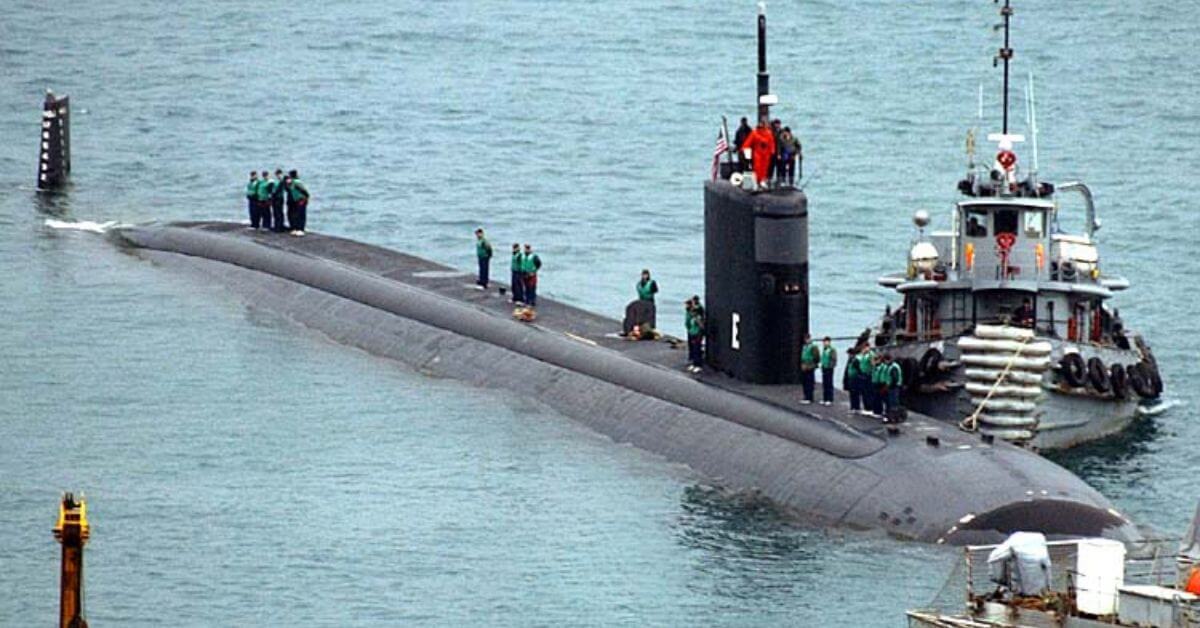
Denmark’s military carried out an emergency medical evacuation of a United States submarine crew member near Greenland’s capital, Nuuk, on Saturday.
The rescue took place about seven nautical miles (13 kilometers) off the coast in Arctic waters. The evacuation was confirmed by the Danish Joint Arctic Command.
According to Denmark’s Arctic command, the crew member required urgent medical treatment while the U.S. submarine was operating in Greenlandic waters.
A Danish Defence Seahawk helicopter was deployed from an inspection vessel to retrieve the individual. The helicopter airlifted the submariner and transferred the patient to a hospital in Nuuk for immediate care.
The identity of the submarine and the medical condition of the crew member were not disclosed.
Greenland is an autonomous territory within the Kingdom of Denmark and sits in a strategically vital Arctic corridor.
The waters around Nuuk are part of key North Atlantic sea routes and are closely monitored due to increasing military and commercial activity.
The United States and Denmark maintain strong defense ties in the Arctic. The region has grown in geopolitical importance due to melting sea ice, expanding shipping lanes, and competition over mineral resources.
Video Credits: Hindustan Times/YouTube
Submarine operations in Arctic waters are complex due to extreme weather, ice conditions, and limited emergency response infrastructure.
Medevac missions in this environment require precise coordination and rapid deployment capabilities.
The evacuation came the same day U.S. President Donald Trump announced plans to send a hospital ship to Greenland. He stated on his Truth Social platform that many residents in Greenland were sick and not receiving adequate care.
Danish Prime Minister Mette Frederiksen defended Denmark’s healthcare system, saying the country provides free and equal access to healthcare, including in Greenland.
Greenland occupies a critical position between North America and Europe. Its Arctic location makes it central to NATO surveillance, submarine tracking, and North Atlantic maritime security.
The Arctic is witnessing increased naval deployments as nations expand their presence. Military submarines routinely operate in the region for surveillance, deterrence, and training exercises.
Emergency response capabilities in the Arctic remain limited compared to temperate regions. Helicopter-based evacuations remain the fastest method for extracting personnel from vessels operating far from shore.
References: Reuters, Independent
Source: Maritime Shipping News