
Indigenous Protesters Shut Down Cargill’s Major Amazon Port, Disrupt Brazil’s Massive Soy Exports

Denmark Airlifts US Submarine Crew Member In Urgent Arctic Medevac Off Greenland
February 23, 2026
New Zealand Imposes Largest-Ever Sanctions Targeting 100 Russian Shadow Fleet Tankers
February 23, 2026
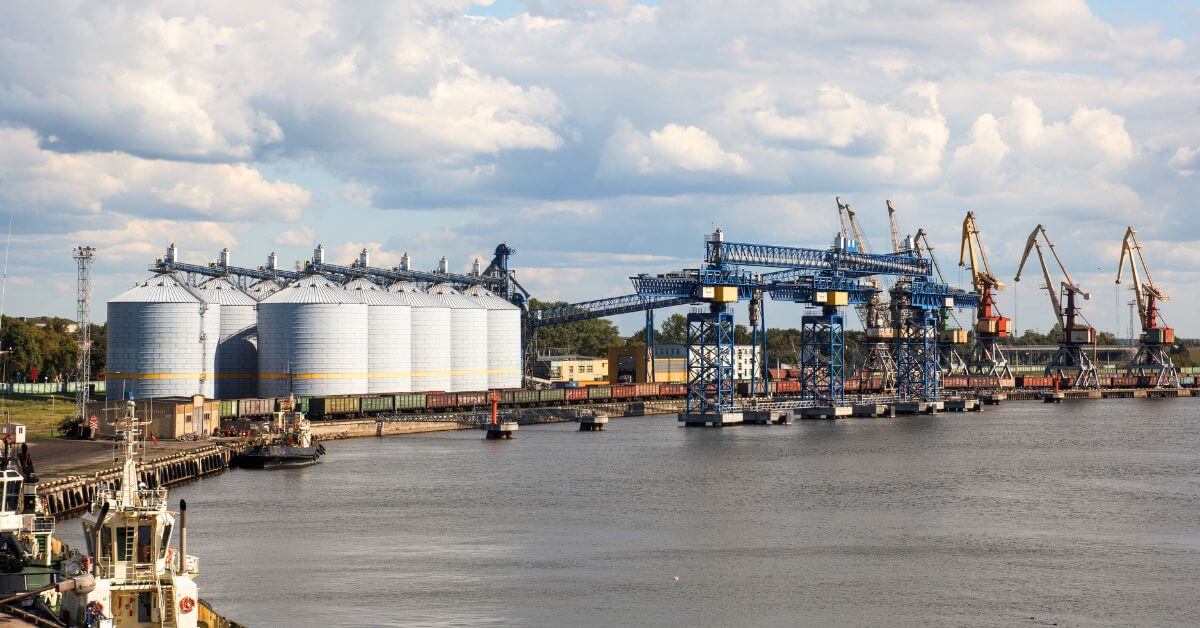
Indigenous protesters have occupied a grain export terminal operated by Cargill in Santarém, Pará, halting operations at one of northern Brazil’s most important river ports.
The protest is against government plans to dredge Amazon rivers to boost agricultural exports.
The shutdown affects a key logistics hub in Brazil, the world’s largest soybean exporter, raising concerns about supply chain stability and inland waterway development in the Amazon basin.
According to Cargill, protesters entered and occupied its private river terminal in Santarém, forcing employees to evacuate on Friday evening.
The company confirmed that operations have been “completely” interrupted and said it is coordinating with local authorities to ensure a safe resolution.
Cargill reported evidence of vandalism and damage to assets at the site. The company suspended all terminal activities and described the situation as part of a dispute between Indigenous communities and government authorities.
Before the occupation, protesters had blocked truck access to the terminal since January 22. That blockade had limited impact because most cargo arrives by barge via the Amazon river system.
The dispute is about government plans to develop Amazon rivers for shipping and port expansion.
Indigenous groups want the government to cancel a decree signed in August by President Luiz Inácio Lula da Silva that gives priority status to key rivers for navigation upgrades.
Local communities say dredging could damage fishing areas, pollute the water, and affect their traditional way of life.
Leaders from the Munduruku group said they will continue the occupation unless the decree is withdrawn.
Two weeks ago, the government paused dredging work in the Tapajós River after earlier protests. Officials have said dredging is regular maintenance needed to keep river traffic moving during low water seasons.
The Santarém terminal is a key hub in Brazil’s grain export system.
Port data shows that Cargill shipped more than 5.5 million metric tons of soybeans and corn through Santarém last year. This made up over 70% of the port’s total grain volume.
Most of the cargo comes from Brazil’s Center-West region. It is moved by barge along the Amazon River before being loaded onto export vessels.
The Amazon river corridor has become increasingly important for exporters seeking alternatives to congested southern ports. Shipping through the Amazon shortens routes to Europe and Asia and lowers transport costs.
If the shutdown continues, cargo may shift to other ports. Freight rates could rise, and export schedules may face delays during the peak harvest season.
Cargill has stated that it does not control river dredging plans, emphasising that such projects fall under government jurisdiction. The company called for constructive dialogue between authorities and Indigenous communities.
The protesters, in a public letter, argued that rivers should not be treated as export channels but as vital ecosystems and cultural assets. They warned that expanded dredging would alter riverbeds and disrupt fisheries that support thousands of families.
Brazil is the world’s largest soybean exporter and one of the top maize exporters. Inland waterways such as the Amazon and its tributaries, including the Tapajós, play a growing role in global grain logistics.
River dredging allows larger barges to navigate year-round, particularly during dry seasons when water levels fall. Without consistent dredging, vessel drafts are restricted, reducing cargo capacity and slowing shipments.
References: france24, straitstimes
Source: Maritime Shipping News