

Iran Nears Supersonic Anti-Ship Missile Deal With China As US Expands Naval Presence

Video: Philippine Coast Guard Completes 27-Day Deep-Water Search Of Sunken MV Trisha Kerstin 3, 14 Still Missing
February 25, 2026
Rare Twin-Hulled Ferry Sea Star Tilos Sinks At Turkish Shipyard, Crew Airlifted By Ladder
February 25, 2026
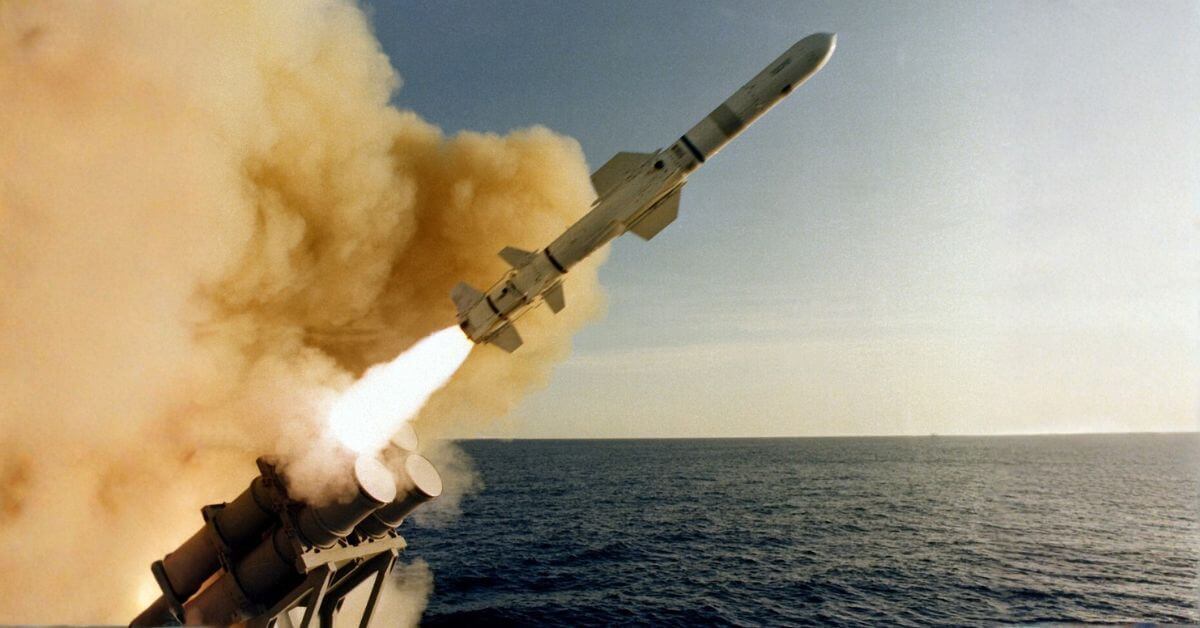
Iran is close to finalising a deal with China to purchase supersonic anti-ship cruise missiles, according to six individuals familiar with the negotiations.
The move comes as the United States increases its naval deployment near the Iranian coast amid heightened regional tensions.
The proposed transfer of Chinese-made CM-302 missiles, with a reported range of about 290 kilometres, would significantly enhance Iran’s maritime strike capability.
Sources with knowledge of the discussions said the agreement for the CM-302 missile system is nearing completion. However, no delivery timeline has been agreed.
The CM-302 is designed to travel at supersonic speed while flying at low altitude, a combination that reduces reaction time for shipborne defence systems.
Two weapons experts familiar with the system stated that its deployment would pose a serious challenge to US naval assets operating in the region.
Negotiations reportedly began at least two years ago. Talks intensified following the 12-day conflict between Israel and Iran in June 2025.
According to the sources, discussions entered a final phase last summer when senior Iranian military and government officials travelled to China. Among them was Massoud Oraei, Iran’s deputy defence minister. His visit had not previously been reported.
An Iranian foreign ministry official stated that Iran maintains military and security agreements with allied countries and that the timing is appropriate to utilise those partnerships.
China’s Ministry of Foreign Affairs later said it was not aware of the missile negotiations.
The USS Abraham Lincoln carrier strike group is currently operating in the Arabian Sea. At the same time, the USS Gerald R. Ford is positioned in the Eastern Mediterranean.
The buildup follows renewed tensions over Iran’s nuclear programme.
A White House official stated that US President Donald Trump had made clear that either a deal would be reached or stronger action could follow, referencing previous confrontations.
The expanded US naval presence increases the strategic importance of anti-ship capabilities in the region, particularly in confined waterways such as the Strait of Hormuz, through which nearly 20% of global oil shipments transit.
If finalised, the missile transfer would represent one of the most advanced military systems provided by China to Iran.
The original United Nations arms embargo on Iran was imposed in 2006. It was suspended in 2015 under a nuclear agreement and later reimposed in September 2025.
References: Reuters, business standard
Source: Maritime Shipping News