However, a prolonged military conflict involving Iran could disrupt tanker movements, delay voyages, and change trade routes. Shipowners and charterers are closely watching the situation in Gulf waters.


OPEC Giant Saudi Arabia Boosts Oil Exports In Massive Contingency Plan Amid Possible US Strike On Iran

Cypriot Bunker Supplier Arrests Chinese Lessor’s Only Cruise Ship Over $600,000 Fuel Dispute
February 26, 2026
Historic 16th Century Cargo Ship Hull Washes Ashore After Powerful Gales Hit Norfolk Coast
February 26, 2026
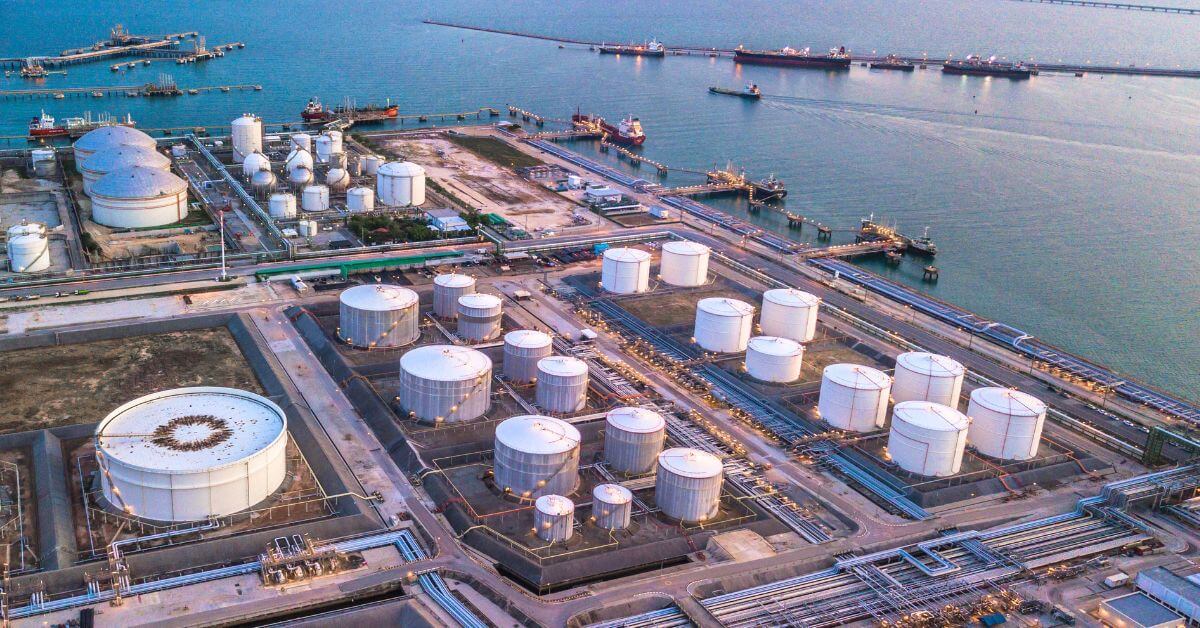
Saudi Arabia is increasing oil production and exports as part of a contingency plan in case a potential U.S. strike on Iran disrupts crude supplies from the Middle East.
Two sources familiar with the plan said Saudi Arabia is raising output to ensure stable exports if military action affects regional flows. The kingdom intends to boost crude shipments in advance, positioning barrels in overseas storage facilities.
If no disruption occurs, Saudi Arabia will reduce production later to remain aligned with its OPEC+ quotas, according to one source.
Last year, Saudi Arabia increased oil exports in June by about 500,000 barrels per day, shipping additional crude to storage hubs overseas just as the United States carried out strikes on Iranian nuclear sites.
U.S. President Donald Trump has stated he is considering a strike on Iran to pressure Tehran into agreeing to a deal curbing its nuclear programme. In recent weeks, the United States has increased its military presence in the Middle East.
Iran produces more than 3% of the world’s oil and has warned it will retaliate if attacked. Any response could disrupt oil supplies in the region.
The main concern is the Strait of Hormuz. More than 20 million barrels per day of crude oil, condensate, and petroleum products pass through this route. It carries exports from Saudi Arabia, the United Arab Emirates, Kuwait, and large volumes of LNG from Qatar.
Any disruption in this corridor would immediately impact tanker freight rates, marine insurance premiums, and global oil prices.
Saudi Arabia is expected to export its highest crude volumes in nearly three years this month. At the same time, Iran has reportedly increased crude loadings and filled tankers quickly in recent days.
Data from Vortexa Ltd. show that oil exports from Iraq, Kuwait, and the United Arab Emirates could rise by nearly 600,000 barrels per day compared to January.
Saudi Arabia, OPEC’s largest producer, has often adjusted output during wars, sanctions, and regional conflicts to stabilise markets.
References: Bloomberg, Reuters
Source: Maritime Shipping News