Google has also said it plans to extend two more cable systems westwards to Africa and Asia to strengthen the resilience of internet infrastructure across the Indian Ocean.

Google To Build 3 Subsea Cables In Papua New Guinea Under Australia-Backed Defence Pact

NTSB Releases Final Report Into Container Ship Collision That Brought Down Baltimore’s Key Bridge
December 13, 2025
Mega Container Ship Loses 45 Containers In Severe Weather Off Canary Islands
December 15, 2025
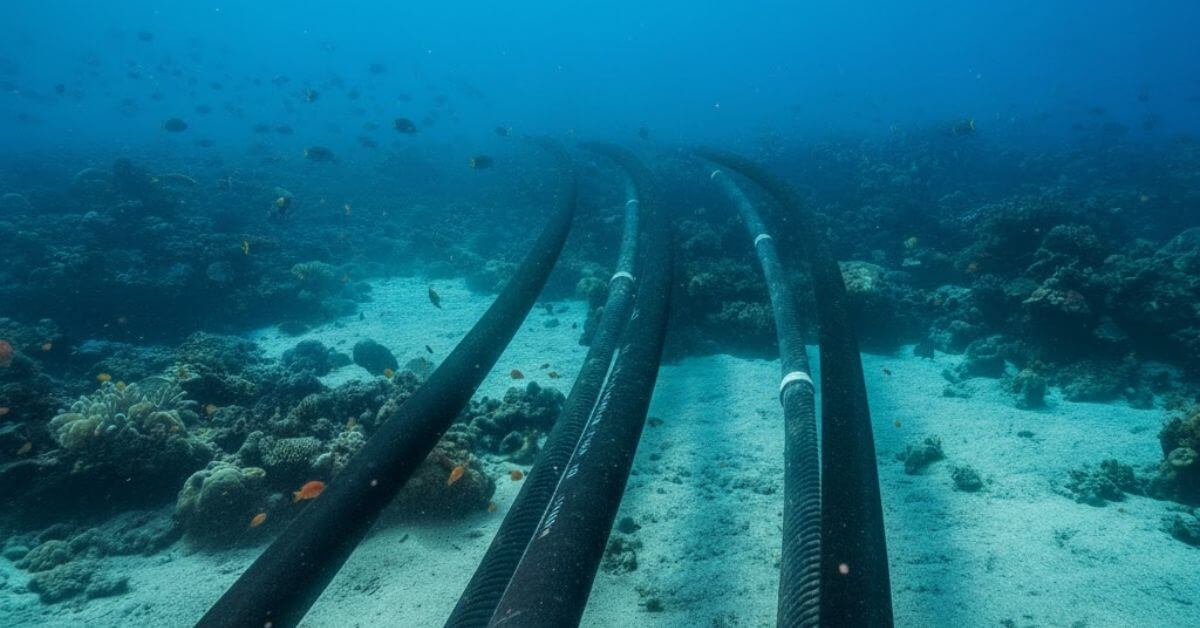
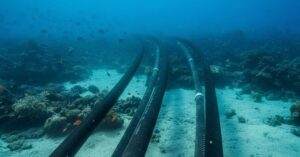
Alphabet-owned Google is set to build three new subsea cable systems across Papua New Guinea (PNG) in a project fully funded by Australia under a mutual defence agreement.
Papua New Guinea’s government confirmed that the $120 million project will connect the country’s northern and southern regions with the autonomous Bougainville region through high-capacity undersea cables.
Acting Minister for Information and Communications Technology Peter Tsiamalili said the entire investment is being financed through Australia’s commitments under the Pukpuk Treaty, a defence pact signed between the two countries in October.
Tsiamalili said the project shows a shared commitment by PNG and Australia to improve digital security, advance national development and support regional stability.
He also said the improved connectivity would help the country attract investment from hyperscalers and global digital companies. Tsiamalili also serves as the country’s police minister.
The government stated that Google will be responsible for building the subsea cables. Tsiamalili met Australian and US diplomats earlier this week at Google’s Australian office to discuss the project. A Google Australia spokesperson declined to comment on the PNG initiative.
Australia’s Department of Foreign Affairs and Trade said the cables would help reduce internet costs for consumers in Papua New Guinea, support economic growth and expand education opportunities.
An Australian foreign affairs official also stated that Canberra has committed more than A$450 million to undersea cable connectivity projects across the Pacific and Timor-Leste, including the Coral Sea Cable linking Papua New Guinea, the Solomon Islands and Australia. Australia is also expected to fund a new international cable to PNG.
Papua New Guinea, the largest Pacific Island nation, is seen by Australian and US military planners as strategically important because of its location north of Australia and its natural resources, especially as China increases its presence in the region.
Under the Pukpuk Treaty, Australian defence personnel are granted access to PNG’s communications systems, including satellite stations and submarine cables.
The United States has also strengthened defence ties with PNG, signing a defence cooperation agreement with the country in 2023.
Australia and the US have jointly supported several subsea cable projects across the Pacific Islands in recent years to counter China’s efforts to build key communications infrastructure, which Canberra sees as a security risk.
Papua New Guinea’s existing domestic submarine cable was built by China’s Huawei in 2018, with funding provided through a loan from China’s EXIM Bank.
The PNG cable project follows Google’s recent announcement that it plans to build a data hub on Australia’s Indian Ocean territory of Christmas Island, another strategically important defence location.
That plan includes new subsea cables linking the island to Australian cities that host major defence bases used by both Australian and US forces.
References: Firstpost, ABC News
Source: Maritime Shipping News