
Sweden Urges EU To Ban All Support Services For Russian Oil & Gas Shipping Fleet

Iran Releases Greek-Owned Tanker St. Nikolas Seized In January 2024
January 13, 2026
Spain Makes Largest-Ever Cocaine Bust At Sea After Intercepting Merchant Ship
January 13, 2026
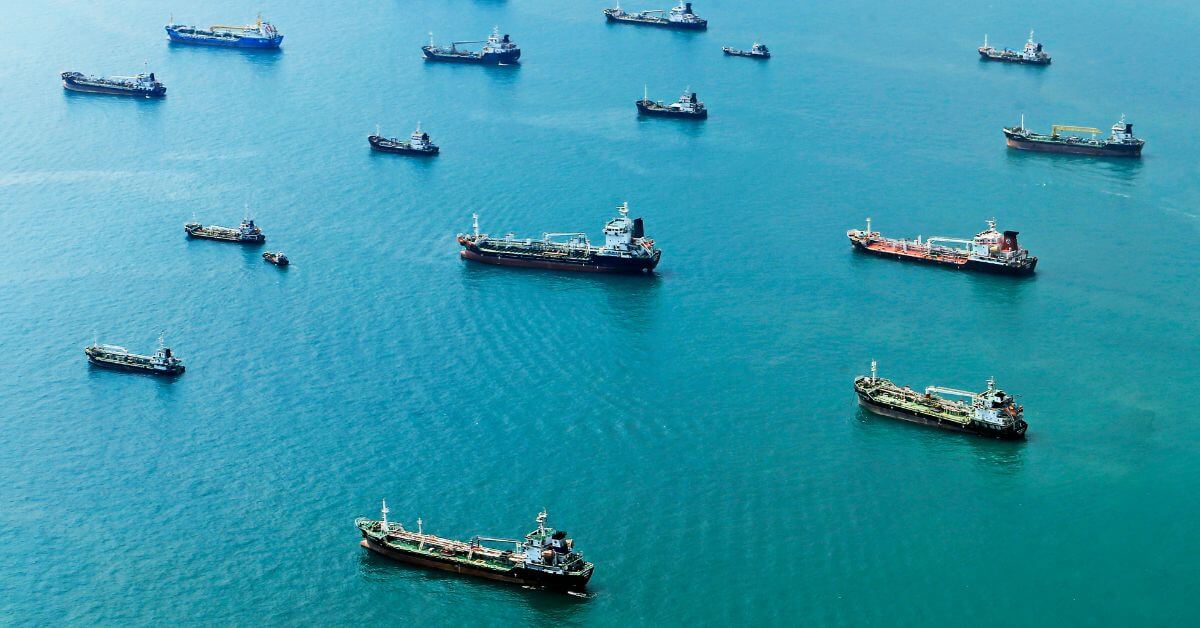
Sweden has urged the European Union to introduce a full ban on companies providing support services to Russia’s oil, gas and coal shipping fleet, as the bloc prepares its next package of sanctions related to the war in Ukraine.
Sweden’s Foreign Minister Maria Malmer Stenergard said the EU needs to increase pressure on Russia by tightening restrictions on maritime services that help keep Russian energy exports moving. She made the remarks during an annual security conference held in Salen, in western Sweden.
The European Union, which has 27 member states, is currently preparing its 20th sanctions package against Russia.
Since Russia invaded Ukraine in 2022, the EU has already introduced 19 rounds of sanctions, many of which have focused on limiting income from Russia’s oil and gas sector, its main source of revenue.
According to Stenergard, the next sanctions package should include a total ban on European companies providing services to Russian ships carrying oil, gas and coal.
She said that the ban should cover all related activities, including transport services, ship-to-ship transfers, insurance, and port repair work.
Sweden is also calling for sanctions on Russian fertiliser exports to the EU. Fertilisers are Russia’s third-largest export to the bloc.
While the EU introduced tariffs on fertiliser imports from Russia in July last year, Sweden believes stronger measures are now needed.
Russia produces more than 20% of the world’s fertiliser and supplies around 25% of the fertiliser imported by EU countries, making the issue important for European agriculture and trade.
Additionally, Sweden wants the EU to stop exporting luxury goods to Russia. Stenergard expressed concern that wealthy Russian consumers are still able to buy high-end European products despite existing restrictions.
The EU has imposed 19 sanctions packages on Russia since the start of the war in Ukraine.
Member states are continuing discussions on the next package as the bloc considers further steps to restrict Russia’s ability to fund its war through trade and maritime transport.
Reference: Reuters
Source: Maritime Shipping News