
Black Sea War Insurance Rates Rise Sharply After Drone Attacks On Oil Tankers

Russia Launches Strike On Chornomorsk Port, Civilian Vessel Damaged & Seafarer Injured
January 16, 2026
U.S Navy Veterans Develop Crewless & Captainless Warship With Impressive Range
January 16, 2026
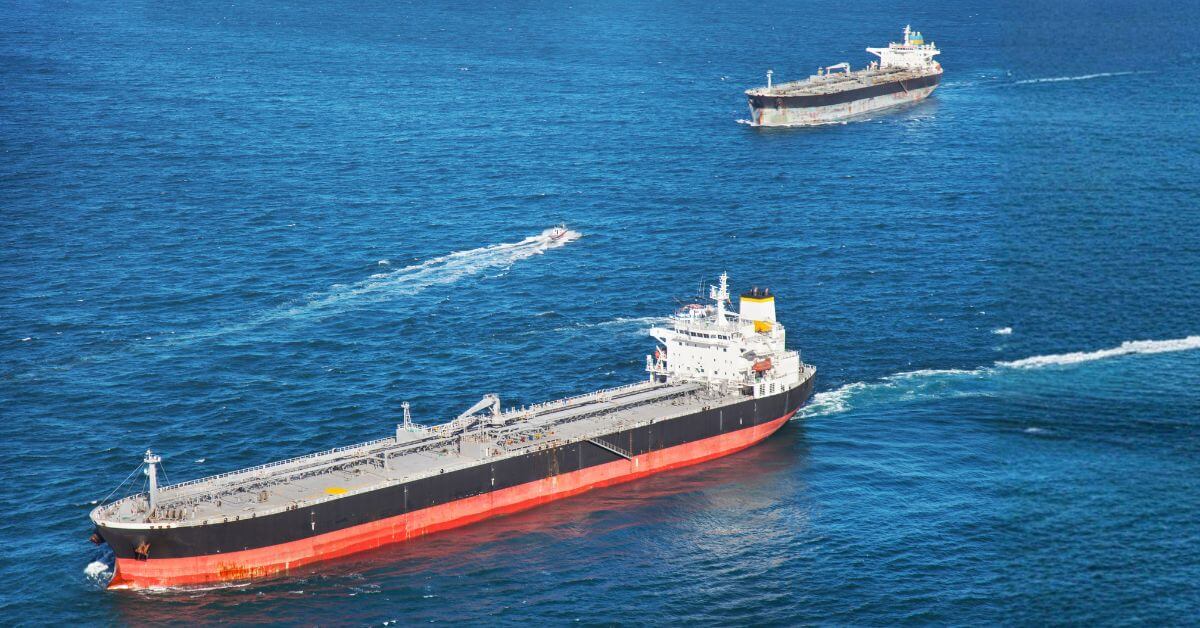
War risk insurance premiums for ships operating in the Black Sea have increased significantly following drone attacks on two oil tankers.
According to five industry sources, insurance costs for ships calling at Black Sea ports have climbed to around 1% of a vessel’s value, up from 0.6% to 0.8% in late December.
The increase came after two Greek-managed oil tankers were struck by unidentified drones while en route to load crude oil at a terminal on Russia’s coastline.
The Black Sea is a key route for the transportation of grain, crude oil and oil products, and is shared by Bulgaria, Georgia, Romania, Turkey, Russia and Ukraine.
Following the latest incidents, sources said that risk assessments have been raised for vessels calling at both Ukrainian and Russian terminals.
War insurance rates had already risen to their highest levels since 2023 in early December after a series of drone attacks on tankers linked to Russia.
The most recent incidents have added further pressure, pushing premiums higher and increasing uncertainty for shipowners and charterers.
Marine war insurance specialists noted that the security situation in the Black Sea has become increasingly unstable.
A representative from Vessel Protect, part of Pen Underwriting, indicated that rapid escalations in risk, often with limited warning signs, have now become characteristic of operations in the area.
Ships sailing to Russian or Ukrainian ports in the Black Sea, including terminals around the Sea of Azov, are required to obtain additional war-risk insurance.
These policies are typically issued for a seven-day period, but their terms are now being reviewed every 24 hours, compared with 48-hour reviews that were common last month.
Insurance brokers also described the market as highly volatile. The head of marine insurance at McGill and Partners said that war risk rates were changing on a daily basis and could exceed 1%, depending on factors such as the vessel’s value, ownership structure and intended port of call.
The attacks affected a terminal that serves as a loading point for around 80% of Kazakhstan’s oil exports destined for international markets, raising concerns over potential disruptions to global energy supply routes.
Reference: Reuters
Source: Maritime Shipping News