
Amsterdam Plans Complete Ban On Cruise Ships By 2035 To Tackle Pollution & Overtourism

Charter Boat Captain Arrested After Undercover Sale Of Cocaine Found At Sea
January 22, 2026
Florida Fuel Supplier Convicted Of $4.5M Fraud Targeting Multiple U.S. Navy Warships
January 22, 2026
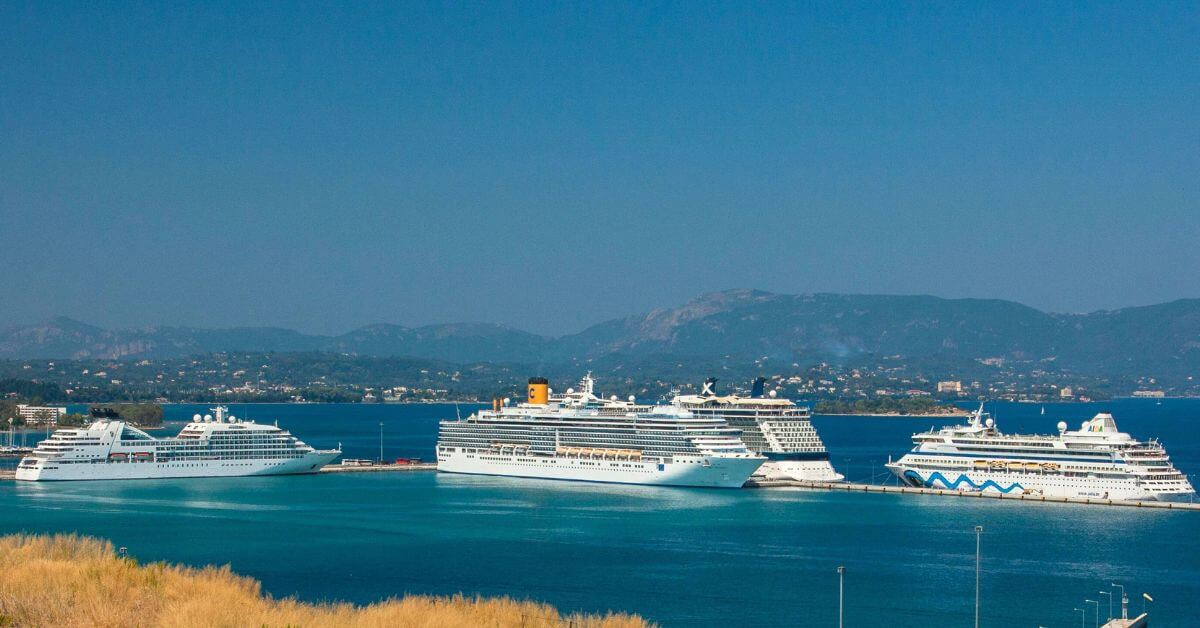
Amsterdam is planning to stop all ocean-going cruise ships by 2035 to reduce pollution, improve air quality, and manage overtourism in the city.
The city’s coalition government now prefers phasing out sea cruises entirely instead of moving the Passenger Terminal Amsterdam from its current location near Central Station to the Coenhaven in the western harbour.
Officials say this approach would deliver the most environmental benefits.
Alderman Hester van Buren, who oversees port policy, said relocating the terminal would cost over €85 million, with no guarantee of recovering the investment.
Banning sea cruises is expected to cost the city about €46 million in lost revenue over 30 years, but this could be offset by redeveloping the Veemkade waterfront and repurposing the Coenhaven area.
Smaller river cruise ships would still be allowed, limited to around 1,150 calls per year, roughly half the number in recent years.
Van Buren said phasing out ocean cruises would reduce carbon dioxide, nitrogen, and particulate emissions, and also help city plans such as building a bridge over the IJ River to connect the NDSM area with the Haven-Stad neighbourhood.
Local leaders welcomed the plan. Rob Hofland said large cruise ships pollute the air, affect the climate, bring large numbers of tourists, and block key city infrastructure.
The push to limit sea cruises started in 2023, when the City Council approved a motion to restrict cruise ships and move the terminal. Since then, Amsterdam has already cut annual sea cruise arrivals from about 190 to no more than 100.
If approved, Amsterdam would be the first European city to ban seagoing cruise ships completely. Other cities in Spain, France, and Greece have limited cruise traffic, but none have banned it entirely.
The proposal is still under development. The current coalition will pass it to the next city government after local elections in March 2026, and the incoming officials will make the final decision before sending it to the City Council, where it could still be changed or rejected.
References: cruisehive, nltimes
Source: Maritime Shipping News