

Finland Partners With EU & Baltic States To Strengthen Monitoring Of Undersea Infrastructure

In A First, India Publicly Displays Long-Range Anti-Ship Missile With Strike Range Of 1500 km
January 27, 2026
After 23-Year Delay, Nigeria Finally Opens $700M Cabotage Vessel Fund To Shipowners
January 27, 2026

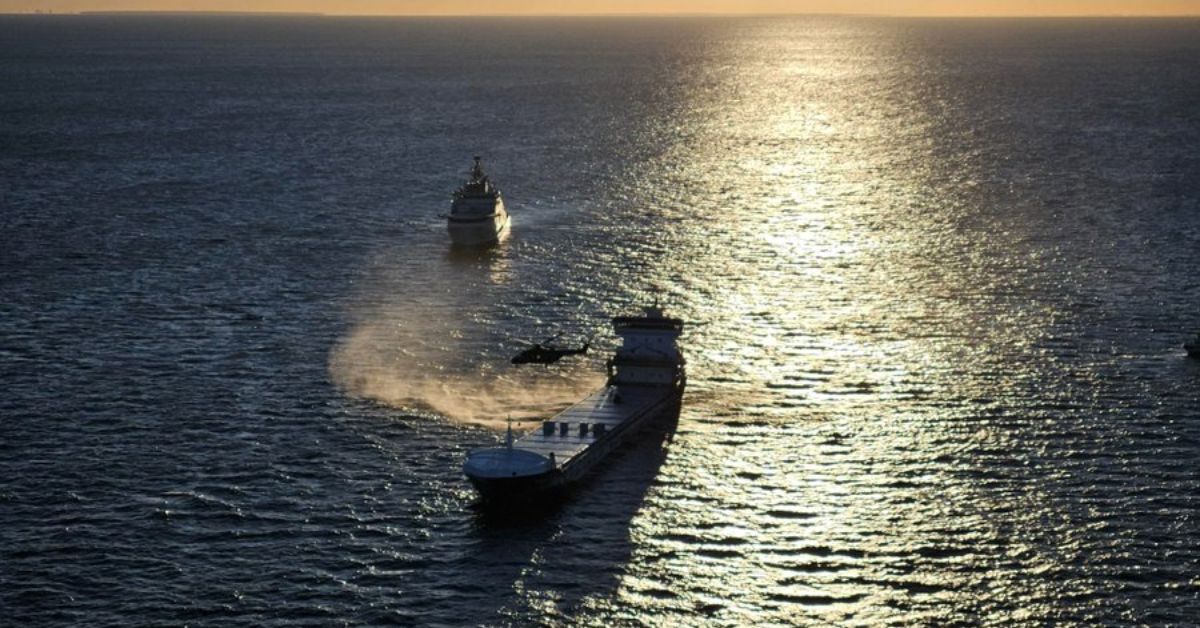
Finland is strengthening efforts to protect critical undersea infrastructure in the Baltic Sea by setting up a new maritime surveillance system in cooperation with other Baltic Sea countries and the European Commission.
Finland’s Border Guard said the initiative will focus on monitoring and safeguarding power cables, telecommunications links and other critical subsea infrastructure in the Gulf of Finland.
The Baltic Sea region remains on high alert following a series of power cable, telecom and gas pipeline outages since Russia invaded Ukraine in 2022.
The Border Guard said authorities must have both the capability and the legal authority to intervene in incidents occurring in territorial waters as well as in exclusive economic zones.
In response to rising security concerns, NATO has also increased its presence in the Baltic Sea with frigates, aircraft and naval drones.
Finnish officials said the new surveillance mechanism will be developed in cooperation with other Baltic Sea states and forms part of the European Commission’s plan to strengthen the security of data and telecommunications infrastructure across Europe.
Mikko Hirvi, head of maritime safety at the Finnish Border Guard, said the system will include regional hubs that will share information between countries.
These hubs will exchange risk analyses, threat assessments and real-time information to improve awareness of maritime activity in the region.
Hirvi said the initiative will also involve the development of surveillance capabilities, including the use of sensors, related technology and joint exercises.
Instead of building new facilities, information will be shared through existing border guard structures.
Efforts to improve monitoring have increased following several incidents involving vessels linked to Russia’s so-called “shadow fleet”, which are suspected of damaging undersea cables in the Baltic Sea.
Russia is believed to have built a fleet of ageing oil tankers with unclear ownership to bypass sanctions imposed by the European Union, the United States and other countries after its full-scale invasion of Ukraine in early 2022.
The continued operation of these vessels has raised environmental concerns due to their age and uncertain insurance coverage.
On New Year’s Eve, Finnish authorities seized a cargo ship carrying Russian steel that was suspected of damaging a telecommunications cable between Helsinki and Tallinn.
According to Hirvi, an average of around 45 vessels pass through the Gulf of Finland each week, with a large proportion believed to belong to the shadow fleet and carrying Russian oil.
References: Reuters, euronews
Source: Maritime Shipping News