
Fourteen European Nations Warn Russia-Linked Shadow Fleet Of Tougher Action

Russian Navy Tug Rescues Filipino Sailor After 48 Hours Adrift In South China Sea
January 28, 2026
China Tests New LY-1 Laser Weapons System On Civilian RORO Vessel
January 28, 2026

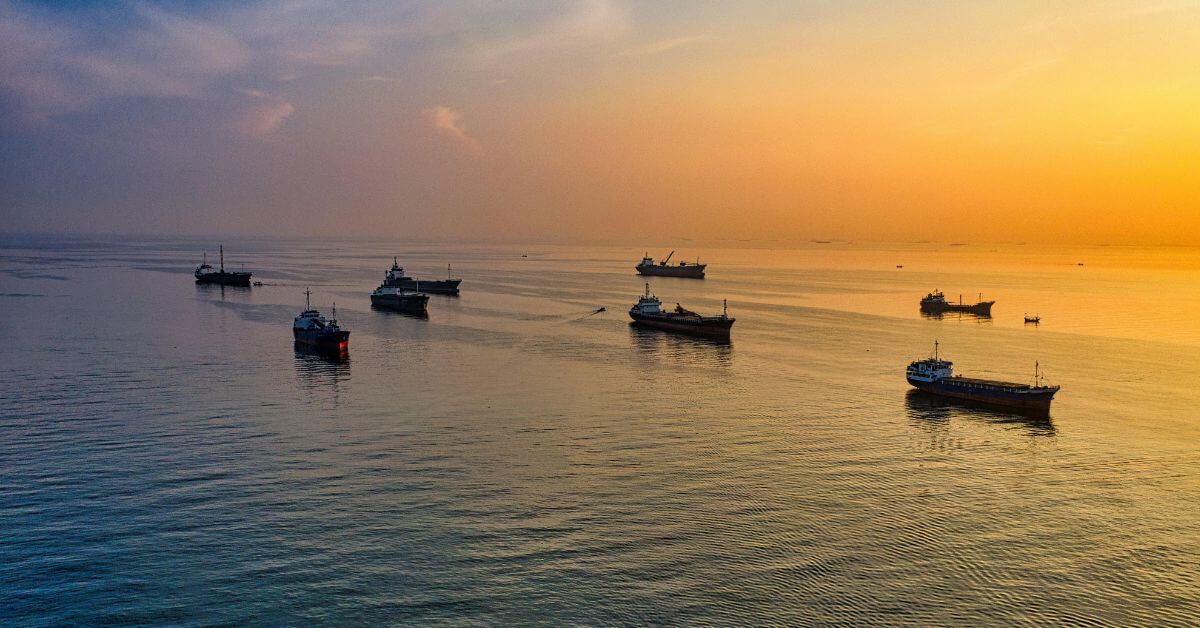
A group of 14 European countries has issued a coordinated warning to tankers linked to Russia’s shadow fleet, cautioning that ships breaching international maritime regulations in the Baltic and North Seas risk being treated as stateless.
The warning was issued on January 26 in a joint statement released by the UK Department for Transport.
The signatories include Belgium, Denmark, Finland, Estonia, Germany, France, Latvia, Iceland, Lithuania, the Netherlands, Poland, Norway, Sweden and the United Kingdom.
The countries said the move is aimed at improving maritime safety in the region.
According to the statement, vessels are permitted to sail under only one national flag and must carry valid documentation related to safety, insurance and communications with authorities.
Ships that fail to meet these requirements may be treated as stateless, giving coastal countries more legal authority to step in under international maritime law.
The announcement follows a series of recent actions by European authorities against tankers linked to Russian oil exports.
French naval forces recently boarded an oil tanker suspected of sailing under a false flag after departing from Russia.
Earlier this month, German authorities forced another tanker to turn back after it was found to be pretending to be a different vessel.
The shadow fleet is made up of an estimated 1,500 ageing tankers used to transport Iranian, Russian, and Venezuelan oil, often to avoid international sanctions.
These ships are typically older, poorly insured and accused of using false or multiple flags to bypass safety and regulatory requirements.
Western governments and maritime experts have warned that the fleet poses environmental and safety risks due to a higher likelihood of accidents and oil spills.
The European countries also raised concerns about interference with satellite-based navigation systems in the Baltic Sea region.
They said disruptions to the Global Navigation Satellite System, which they attributed to activity originating from Russia, reduce the safety of international shipping and place all vessels at risk.
The statement also warned against manipulation of ships’ Automatic Identification Systems.
The signatories urged the international maritime community to recognise GNSS interference and AIS manipulation as threats to maritime safety and security.
They also called for cooperation to develop alternative onshore radio-navigation systems that could be used if satellite-based systems are disrupted.
The warning comes as sanctions against Russia’s shadow fleet continue to expand. Ukraine’s President Volodymyr Zelenskyy has said that at least 20% of the fleet’s vessels are currently out of operation.
In December 2025, he approved sanctions targeting 656 vessels identified as part of the network.
Shortly after, the Council of the European Union imposed additional restrictions on 41 shadow fleet vessels, including oil tankers that generate revenue for Russia’s energy sector.
The United States has also taken action in recent weeks, detaining several Russia-linked shadow fleet tankers as part of its enforcement measures against the Venezuelan oil trade. This included a vessel sailing under a Russian flag that US authorities determined was flying a false flag and should be considered stateless.
References: Insurancejournal, Kyiv Independent
Source: Maritime Shipping News