

Taiwan’s First Domestically Built Submarine Completes Maiden Underwater Trial

72-Foot Commercial Fishing Vessel Sinks Off Massachusetts, 1 Dead & 6 Missing
January 31, 2026
Panama Court Cancels CK Hutchison Port Contracts For Violating Constitution & Public Interest
January 31, 2026
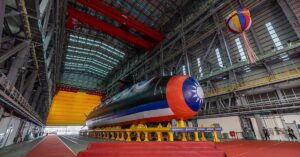
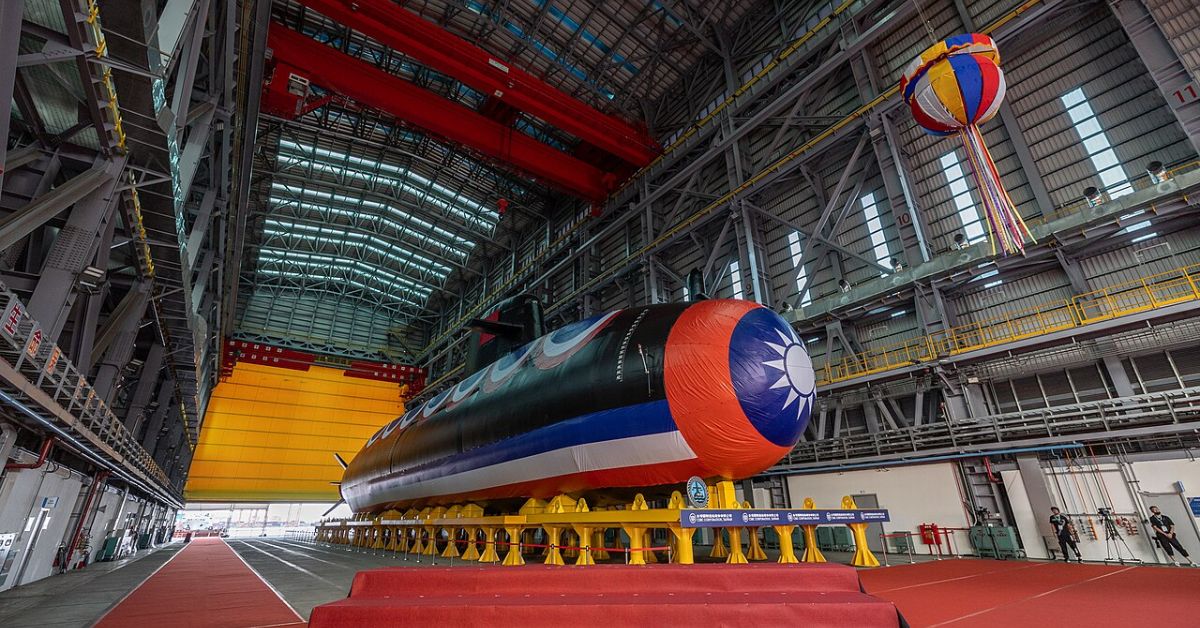
Taiwan has completed the first underwater sea trial of its first domestically built submarine. The trial took place on Thursday off the southern port of Kaohsiung.
Taiwan’s state-owned shipbuilder CSBC Corporation said the submarine successfully carried out a shallow-water submerged navigation test, calling the event an important milestone for the indigenous submarine programme.
The submarine, named Hai Kun and also known as Narwhal, is the first vessel built under Taiwan’s plan to develop its own submarines.
The programme aims to build a total of eight boats to modernise the island’s undersea fleet.
Taiwan has made the submarine programme a central part of its military modernisation as China continues to conduct frequent military exercises around the island. China claims Taiwan as its territory, a claim rejected by Taipei.
The project has used technology and expertise from several countries, including the United States and the United Kingdom.
CSBC said the programme has faced multiple challenges since it began, citing international constraints and external pressure that complicated development.
Hai Kun was originally due to be delivered to the navy in 2024, where it would have joined two older submarines bought from the Netherlands in the 1980s. However, the project has been delayed.
Taiwan has said it hopes to deploy at least two domestically built submarines by 2027, with the possibility of fitting later vessels with missiles.
The first submarine is reported to have cost T$49.36 billion (about $1.58 billion). It will be equipped with a combat system supplied by Lockheed Martin and armed with U.S.-made Mark 48 heavyweight torpedoes.
Hai Kun was unveiled in September 2023 and was described by its builder as Taiwan’s most important domestic defence project in decades.
Although full details have not been released, the submarine is estimated to be around 70 metres long with a displacement of about 2,500 tonnes.
The design is based on Taiwan’s older Hai Lung-class submarines but includes improvements such as cross-form rudders to improve movement in shallow waters.
CSBC said further sea trials and system tests will continue under the supervision of the Republic of China Navy, with support from foreign technical advisers.
Taiwan’s military is much smaller than China’s, which operates aircraft carriers, ballistic missile submarines and advanced fighter jets.
To address this gap, Taiwan has focused on “asymmetric warfare”, using systems such as submarines, drones and truck-mounted missiles.
Taiwan has also increased defence spending. President Lai Ching-te announced in November 2025 that the government would invest an additional $40 billion in defence.
References: Reuters, Firstpost
Source: Maritime Shipping News