

Mexico Launches First Antarctic Research Campaign With Ukraine’s Support

Many Russian Oil Tankers List Singapore As Destination Amid Sanctions Pressure
February 10, 2026
US Coast Guard Arrests Stowaway Smuggler, Seizes $5 Million Worth Of Cocaine In San Juan Harbor
February 10, 2026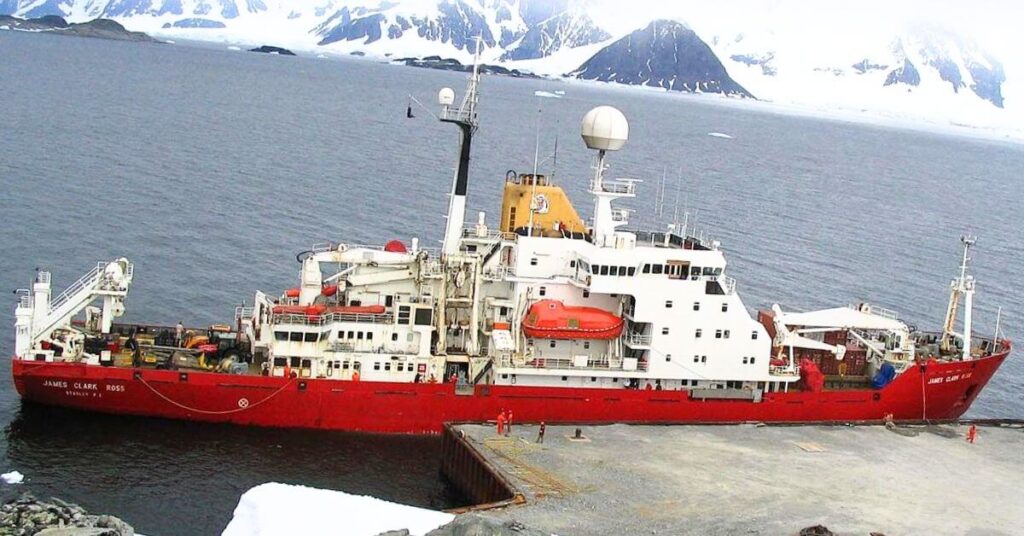
Mexico has launched its first organised scientific research mission in Antarctica.
The campaign, known as CAMEX-1, is being carried out with support from Ukraine, which is providing logistics and access to its Antarctic facilities.
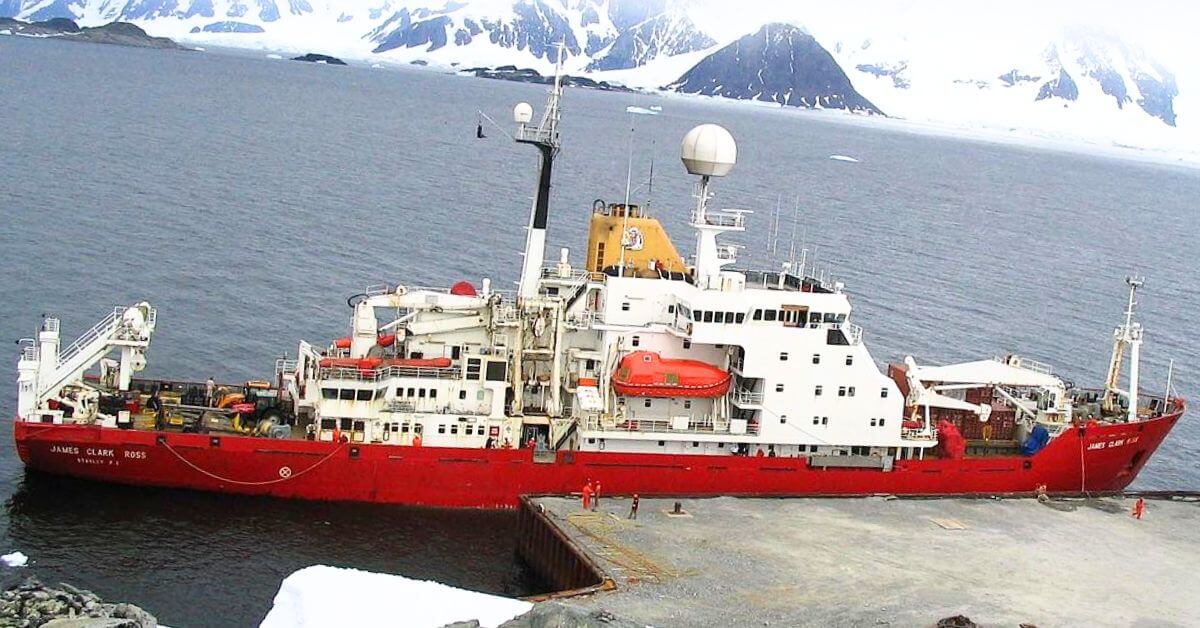
The mission officially began on 31 January, when eight Mexican researchers boarded the Ukrainian research icebreaker Noosfera at Punta Arenas, Chile, and travelled to Antarctica.
The team will stay and work at Ukraine’s Vernadsky Antarctic Research Station on the Antarctic Peninsula.
The campaign follows the signing of a five-year cooperation agreement between Mexico and Ukraine last month.
The partnership brings together Mexico’s Research and Assistance Center in Technology and Design of the State of Jalisco (CIATEJ), the Mexican Agency for Antarctic Studies (AMEA) and Ukraine’s National Antarctic Scientific Center.
Ukraine is supporting the mission by providing transport, infrastructure and access to its long-running research station.
Mexican institutions involved in the project have stated that the campaign aims to improve understanding of life in extreme environments and support research related to global environmental challenges.
The research work includes studies on biodiversity, geology, microbiology, climate change and biotechnology.
AMEA has pointed out that changes in Antarctica can have direct effects far beyond the polar region, including on Mexico’s coastline.
The agency has referred to research showing that deep waters in the Gulf of Mexico, known in the United States as the Gulf of America, are influenced by ocean currents originating from Antarctica.
It has also highlighted the risks of rising sea levels, which could lead to coastal flooding and saltwater intrusion.
In addition, Mexican researchers have shown interest in unusual wildlife movements linked to Antarctic ecosystems.
Since 2020, southern elephant seals, which normally live in Antarctica, have been observed travelling unusually far north, reaching Baja California.
Although Antarctica and Mexico are more than 13,000 kilometres apart, such events have drawn scientific attention.
Until now, Mexico’s research presence in Antarctica had been limited and largely dependent on individual scientists joining programmes run by countries such as Chile and Argentina.
Ukraine, which has maintained a scientific presence in Antarctica for nearly 30 years, has described the collaboration as an important step in strengthening scientific cooperation between the two countries.
Ukrainian officials have indicated that they remain committed to supporting joint research in science and technology.
AMEA has also said that Mexico’s participation in Antarctica is part of a long-term effort to better prepare the country for climate change.
The CAMEX-1 mission also confirms Mexico’s integration into the Scientific Committee on Antarctic Research (SCAR), placing the country within the international Antarctic research community.
Reference: mexiconewsdaily
Source: Maritime Shipping News