

410 Ships Abandoned In 2025 & 6223 Seafarers Left Without Pay Or Provisions, Says ITF

Cargo Ship Towed To Portsmouth Port After Engine Room Fire
February 11, 2026
U.S Navy To Incorporate Lockheed Martin’s Parasitic Drone ‘Lamprey’ In Its Ships
February 11, 2026
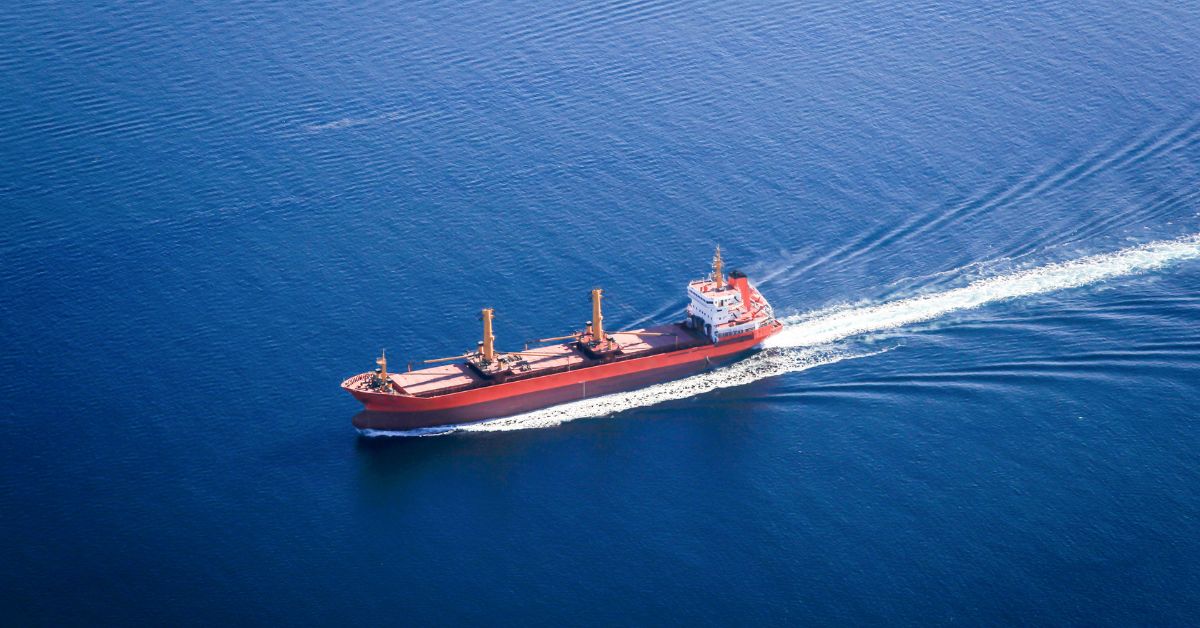
Approximately 410 oil tankers and other ships were abandoned in 2025, and 6223 seafarers were left without pay, food or a way back home, per the global trade union the International Transport Workers’ Federation (ITF).
One such vessel was an oil tanker anchored off China, loaded with 750,000 barrels of Russian crude worth about $50 million.
It had sailed from Russia to China in November but was abandoned after the crew said they had not received salaries for months.
The ship is in international waters while the ITF is striving to secure wages up to December and also arrange food, water and other supplies.
One of the reasons behind an increase in ship abandonment cases is political instability.
The world is riddled with conflicts, war and disruption, which have caused supply chain issues and a sharp rise in freight costs, leaving some operators unable to continue operations.
Secondly, there is a rise in the number of shadow fleet vessels, old and obsolete tankers which sail without proper ownership, documents, and with poor safety standards and limited or no insurance.
They sail under flags of convenience (FOC), which is not something new. Shipowners register vessels in countries with a weak regulatory system to avoid stricter laws of their own country.
Panama, the Marshall Islands and Liberia account for half of all merchant vessels by weight.
FOC ships dominate abandonment cases. In 2025, they made up 337 abandoned ships, or 82 per cent of the total.
In 2025, abandoned crew members across the world were owed $25.8 million in unpaid wages, according to the International Maritime Organisation (IMO) and the International Labour Organisation.
The ITF says it recovered about $16.5 million of this.
Indian seafarers were the most affected in 2025, and accounted for 1125 cases or 18% of the total, followed by Filipinos and Syrians, who numbered 539 and 309, respectively.
The Indian Government blacklisted 86 ships in 2025 over abandonment and violation of seafarer rights.
Per IMO, a seafarer is said to be abandoned if wages are unpaid for two months, food and medical care are not provided, and the cost of repatriation is not covered.
Source: Maritime Shipping News