
IMO And Philippines Call For Modernisation Of Global Seafarer Training Standards

U.S. Coast Guard Seizes $13.3 Million Cocaine After Smugglers Throw Cargo Overboard North Of Puerto Rico
February 20, 2026
Second Navigation Officer Arrested After Cargo Ship Hits Fishing Boat Off Central Japan, Killing 2
February 21, 2026
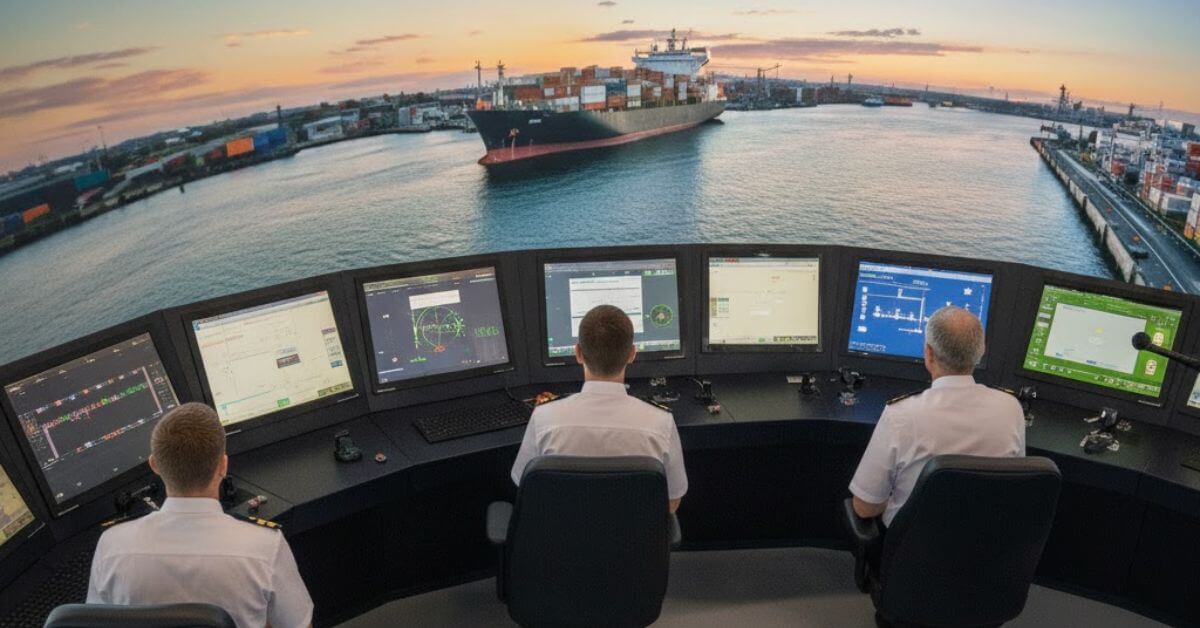
The International Maritime Organization (IMO) and Philippine maritime authorities have called for the modernisation of global seafarer training standards as the shipping industry adapts to decarbonisation, digitalisation and rapid technological change.
At the Regional Forum on the Effective Implementation of the STCW Convention and Code, the IMO announced that Phase 2 of the comprehensive review of the STCW Convention will begin in the coming weeks.
The next phase will focus on specific amendments to ensure the Convention remains relevant in an era shaped by cleaner fuels, artificial intelligence and expanding digital systems onboard ships.
IMO Secretary-General Arsenio Dominguez said the organisation would continue supporting member states and the shipping industry, stressing that reform must be accompanied by stronger investment in seafarers.
He stated that shipping must invest in people and ensure that those working onboard receive the same dignity and facilities as land-based workers, including internet access and adequate living conditions.
As one of the world’s leading suppliers of seafarers, the Philippines was highlighted as playing a central role in the reform process.
Maritime Industry Authority (MARINA) Administrator Sonia Malaluan said maritime nations share responsibility for keeping their workforce competent, adaptable and prepared for future demands.
She noted that the sector faces changing competency requirements, environmental pressures and geopolitical shifts, and said reform offers an opportunity to raise standards and reinforce confidence in Filipino seafarers through strengthened maritime education and training.
Ambassador Teodoro Locsin Jr. called for a forward-looking review of global standards that addresses automation, digitalisation, violence and harassment at sea, and the safe handling of alternative fuels.
He emphasised that as ships transition to cleaner energy, training must evolve accordingly so seafarers can safely use, handle and store emerging fuel technologies.
He also underscored the need for zero tolerance for harassment at sea and said protection and respect must apply equally to all genders.
Delivering the message of Transportation Secretary Giovanni Lopez, Assistant Secretary Ventura Plan reiterated the Philippine government’s commitment to ensuring safe and inclusive working environments for seafarers.
He stated that both women and men must be able to work in conditions that are safe, inclusive and respectful, adding that protecting seafarers strengthens the wider maritime industry.
Dominguez also said the IMO recognises the Philippines as a key partner in shaping global maritime regulations, citing its training ecosystem and its status as the world’s leading supplier of seafarers.
He pointed to the country’s potential to contribute technical input in designing international standards for a decarbonised future, adding that Philippine-led training programmes and national best practices often inform global policy discussions.
He further highlighted cooperation between the IMO and the Philippines through initiatives such as the Smart Sea Projects, which focus on decarbonisation, plastic litter and biofouling.
According to Dominguez, by identifying priority areas for support, the Philippines helps the organisation plan future assistance and ensure resources are directed effectively to member states.
Under MARINA’s oversight, the country’s participation remains significant in global discussions on maritime safety and sustainability.
Reference: Marina gov
Source: Maritime Shipping News