

Russia Executes First Triple Arctic LNG Ship-to-Ship Transfer In Murmansk Region

Environmental Groups Urge IMO To Reject Toxic At-Sea Ammonia Discharge From Ships
February 20, 2026
Danish Authorities Detain Iran-Flagged Container Ship Over Registration Concerns
February 20, 2026
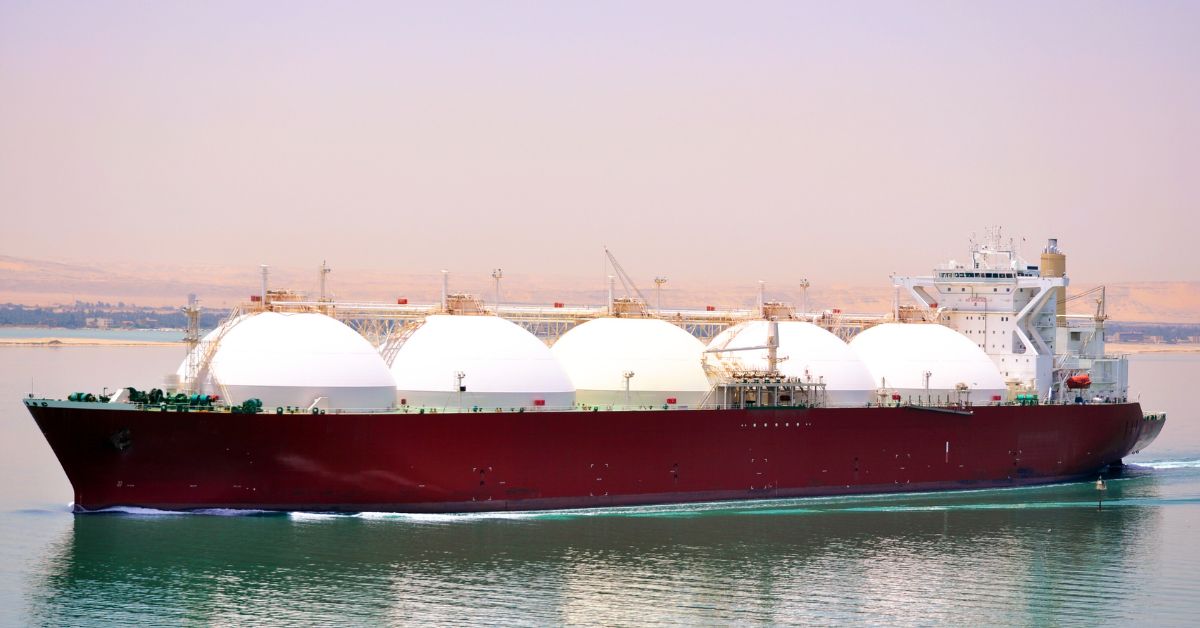
Russia has completed its first triple simultaneous liquefied natural gas (LNG) ship-to-ship (STS) transfer in Arctic waters.
The three concurrent operations took place in the Murmansk region, a central hub for Arctic LNG transshipment.
The transfers involved cargoes from both the sanctioned Arctic LNG 2 project and the unsanctioned Yamal LNG project.
Two operations were conducted at the Saam floating storage unit (FSU), while a third took place near Kildin Island.
At the Saam FSU, the Arc7 ice-class carrier Christophe de Margerie delivered LNG produced at Arctic LNG 2. The cargo was transferred to the conventional tanker Arctic Metagaz for onward shipment.
The cargo is likely destined for China’s Beihai LNG terminal, which has been the only confirmed recipient of shipments from the sanctioned project so far.
A similar double transfer was carried out at the same FSU in early January, according to shipping data and satellite tracking information.
Separately, the Arc7 carrier Nikolay Urvantsev, carrying LNG from Yamal LNG, completed an STS transfer at the Kildin anchorage east of Murmansk.
The cargo was transferred to the conventional tanker LNG Phecda, with the shipment likely bound for either Europe or Asia.
All three transfers were conducted within the Murmansk region, which plays a key role in linking ice-class LNG carriers operating along the Northern Sea Route with conventional tankers serving global markets.
Russia’s Arctic LNG exports remain an important source of revenue alongside oil exports.
Yamal LNG, led by Novatek and its partners, has shipped tens of millions of tonnes of LNG since operations began in 2017.
Arctic LNG 2 has been designed to further expand Russia’s production capacity.
Western sanctions imposed following Russia’s invasion of Ukraine have complicated energy exports, particularly for Arctic LNG 2.
Sanctions from the United States, the European Union and other countries have led to greater reliance on floating storage units, ship-to-ship transfers and alternative tanker arrangements.
In 2024, vessels linked to Arctic LNG 2 were frequently reported to have switched off or spoofed AIS tracking signals.
More recently, transfers have taken place openly. No new United States measures have targeted key infrastructure such as the Beihai LNG terminal, which has been sanctioned by the United Kingdom.
Trade data show that Europe purchased about 93 per cent of Yamal LNG output in January 2026. EU imports from Yamal are reported to be up 8 per cent year on year for 2026.
Reference: roshandarya
Source: Maritime Shipping News