
New Zealand Imposes Largest-Ever Sanctions Targeting 100 Russian Shadow Fleet Tankers

Indigenous Protesters Shut Down Cargill’s Major Amazon Port, Disrupt Brazil’s Massive Soy Exports
February 23, 2026
IMO Advances Zero Plastic Pollution Goal With Updated 2026 Marine Litter Action Plan
February 23, 2026
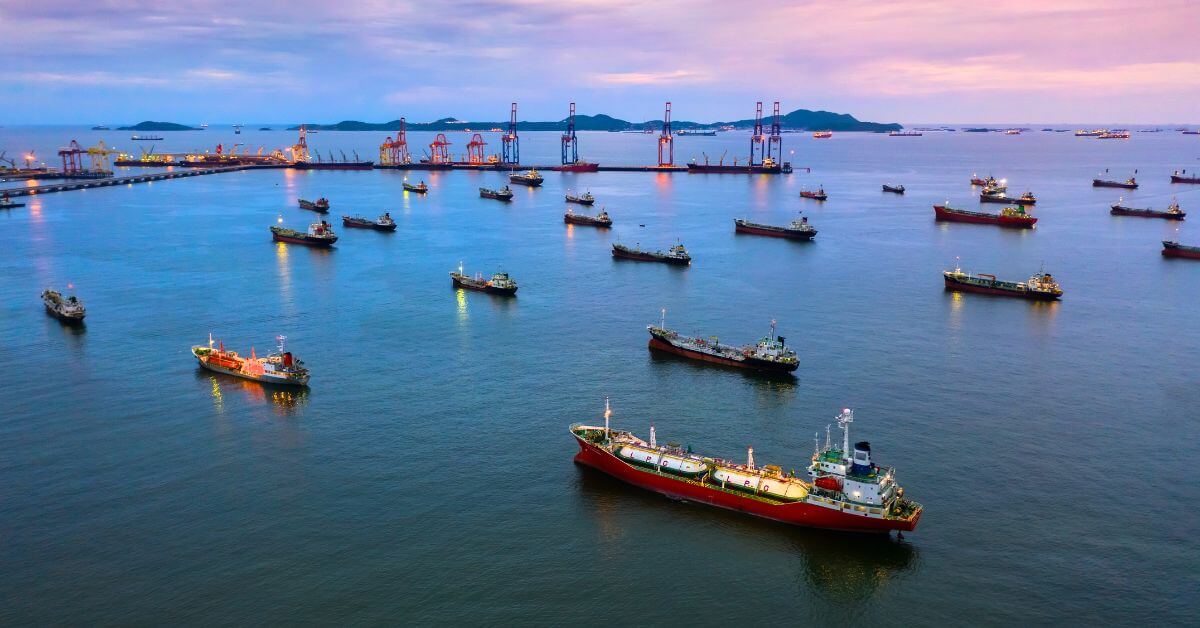
New Zealand has imposed its largest-ever single-day maritime sanctions package, adding 100 vessels linked to Russia’s so-called “shadow fleet” to its blacklist.
The government also reduced the Russian crude oil price cap to $44.10 per barrel.
The latest designations were announced by New Zealand’s Ministry of Foreign Affairs and Trade as part of ongoing measures under the Russia Sanctions Act introduced in March 2022.
The new sanctions include:
- 100 vessels linked to Russia’s maritime oil trade
- 23 individuals
- 13 entities
Officials described this as the largest single-day vessel designation since New Zealand introduced its sanctions regime against Russia.
The vessels are believed to be part of Russia’s “shadow fleet”, tankers operating through complex ownership structures, flag changes, and opaque insurance arrangements to move crude oil and petroleum products despite Western restrictions.
With this latest addition, New Zealand has now sanctioned a total of 210 vessels connected to Russian maritime trade since June 2025.
New Zealand lowered the crude oil price cap from $47.60 to $44.10 per barrel, marking the lowest cap level implemented so far.
The price cap mechanism applies to Russian seaborne crude oil exported to third countries. It allows shipping and related services only if the oil is sold at or below the capped price.
The cap is coordinated with a coalition that includes:
- The G7 (Canada, France, Germany, Italy, Japan, United Kingdom, United States)
- The European Union
- Australia
- New Zealand
The cap was originally set at $60 per barrel and has been reduced multiple times since February 2024.
New Zealand continues to enforce strict maritime service restrictions. From 4 November 2022, the country banned imports of Russian-origin coal, oil, and gas.
From 14 April 2024, New Zealand prohibited services supporting the maritime transport of Russian-origin oil to third countries unless the oil was purchased at or below the capped price.
The prohibited maritime services include:
- Brokering
- Financing
- Financial assistance
- Insurance
These restrictions apply even if no sanctioned person or company is directly involved in the transaction.
The European Union may stop using the oil price cap system and instead fully ban maritime services for transporting Russian crude oil.
Under the proposed framework, European firms would no longer be allowed to provide insurance, shipping, or transport services for Russian oil cargoes at any price.
Tankers carrying Russian oil could also face port access restrictions.
European Commission President Ursula von der Leyen has urged EU member states to approve the new sanctions package. All EU countries must unanimously approve the proposal before it takes effect.
If implemented, the move would significantly disrupt tanker routing, marine insurance markets, and global oil trade flows.
The expansion of vessel sanctions increases compliance pressure across the global tanker market.
Key implications include:
- Greater scrutiny of vessel ownership and flag registries
- Increased risk for shipowners and charterers involved in Russian-linked cargo
- Tightening marine insurance and financial underwriting standards
- Potential rise in freight rates due to reduced compliant tanker availability
Many of these vessels operate without recognised classification oversight or standard insurance coverage, increasing risks of maritime accidents and pollution incidents.
References: shippingtelegraph, shippingwatch
Source: Maritime Shipping News