
EU Seeks G7 Coordination Before Imposing Full Maritime Services Ban On Russian Seaborne Oil

4700-Ton French Nuclear Attack-Submarine ‘De Grasse’ Leaves Cherbourg Port For Sea Trials
February 27, 2026
AMSA Detains Liberian-Flagged Vessel After 24-Day Coral Sea Emergency Near Great Barrier Reef
February 27, 2026

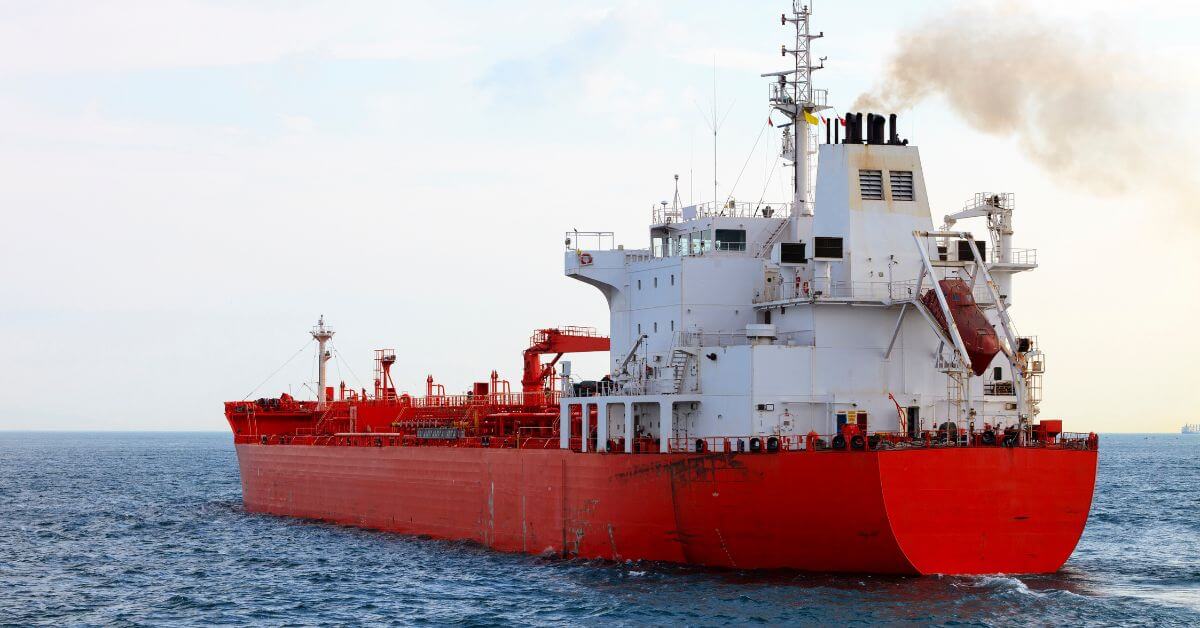
The European Union is preparing to impose a full maritime services ban on Russia’s seaborne crude oil exports but says it must first coordinate the move with Group of Seven (G7) countries.
The proposal, announced earlier this month, would go beyond the existing oil price cap regime.
EU sanctions envoy David O’Sullivan said on February 26 in Bishkek that the bloc supports the ban in principle but wants alignment with G7 partners before taking a final decision.
On February 6, the European Commission proposed banning all maritime services that support Russia’s seaborne crude oil exports.
The measure would cover shipping-related services provided by EU-based companies, including tanker operations and other logistical support.
The proposal aims to further reduce Moscow’s oil revenues, which remain a key source of funding for its war in Ukraine.
According to O’Sullivan, the EU is currently enforcing the oil price cap mechanism, which was recently lowered to US$44 per barrel. He stated that Russia’s oil and gas revenues have fallen sharply in recent months and that the EU intends to continue applying pressure.
The G7 introduced a price cap on Russian crude oil in 2022. In 2025, the EU and a group that included Britain and Japan lowered the cap to match falling global oil prices.
The cap now stands at US$44.10 per barrel, compared with about US$64 per barrel for Iraq’s Basra Medium crude blend.
The United States did not join the group that lowered the price cap. However, Washington imposed full asset freezes on Russia’s two biggest oil companies, Rosneft and Lukoil. The EU has not taken similar action.
Russia exports more than one-third of its crude oil using Western-owned tankers, mainly from Greece, Cyprus, and Malta. These shipments rely on Western maritime services, including insurance, technical management, and compliance support.
A full maritime services ban would end this practice. It would directly affect cargo flows to major buyers such as India and China.
If implemented, the ban could make the existing price cap system redundant. The G7 has struggled to fully enforce the cap, as alternative shipping networks and non-Western service providers have emerged.
Reference: Reuters
Source: Maritime Shipping News