
Insurers Cancel War Risk Cover, Raise Premiums After Israel Strikes Iran, Disrupting Vital Oil Chokepoint

Unknown Projectiles Strike Ships Near Oman And UAE, UKMTO Issues Urgent Strait Of Hormuz Warning
March 2, 2026
Panamanian Cargo Ship Dura Bulk Sinks Off Laayoune, All Crew Rescued In Major SAR Operation
March 2, 2026
Marine insurers have begun cancelling war risk policies and sharply increasing premiums for vessels operating in the Gulf and the Strait of Hormuz following U.S. and Israeli strikes on Iran.
The move comes after Iran launched retaliatory attacks on U.S. bases in the region and said it had closed navigation through the vital oil chokepoint.
The decision has already disrupted tanker traffic, pushed insurance costs higher and added fresh uncertainty to global energy supply chains.
War risk underwriters issued cancellation notices for ships trading through the Gulf ahead of market reopening on Monday, brokers told the Financial Times.
Insurance costs for vessels transiting the Gulf were previously around 0.25% of a ship’s replacement value. According to Dylan Mortimer, marine hull UK war leader at broker Marsh, rates could increase by as much as 50%.
For a vessel valued at $100 million, the war risk premium would rise from about $250,000 to $375,000 per voyage.
Premiums for ships calling at Israeli ports, previously near 0.1% of vessel value, could also climb by up to 50% as insurers reassess exposure.
Underwriters are particularly focused on the Strait of Hormuz, through which roughly one-fifth of global crude oil flows, making it one of the world’s most critical maritime chokepoints.
Several leading protection and indemnity (P&I) clubs have confirmed cancellations.
Insurers including Gard, Skuld, NorthStandard, London P&I Club, and American Club said war risk cover would be cancelled effective March 5, according to notices dated March 1.
War risk cover will be excluded in Iranian waters, as well as the Gulf and adjacent waters, the notices stated.
Skuld said it is working on a buy-back option that could allow members to reinstate coverage under revised terms.
Japan’s MS&AD Insurance Group also told Reuters it had suspended underwriting of several war risk policies covering waters around Iran, Israel and neighboring countries.
At least three vessels reportedly turned away from the Strait of Hormuz on Saturday as shipowners reassessed risks.
Advisory firm EOS Risk said some ships received radio warnings from Iran’s Islamic Revolutionary Guard Corps suggesting the Strait of Hormuz was closed to shipping.
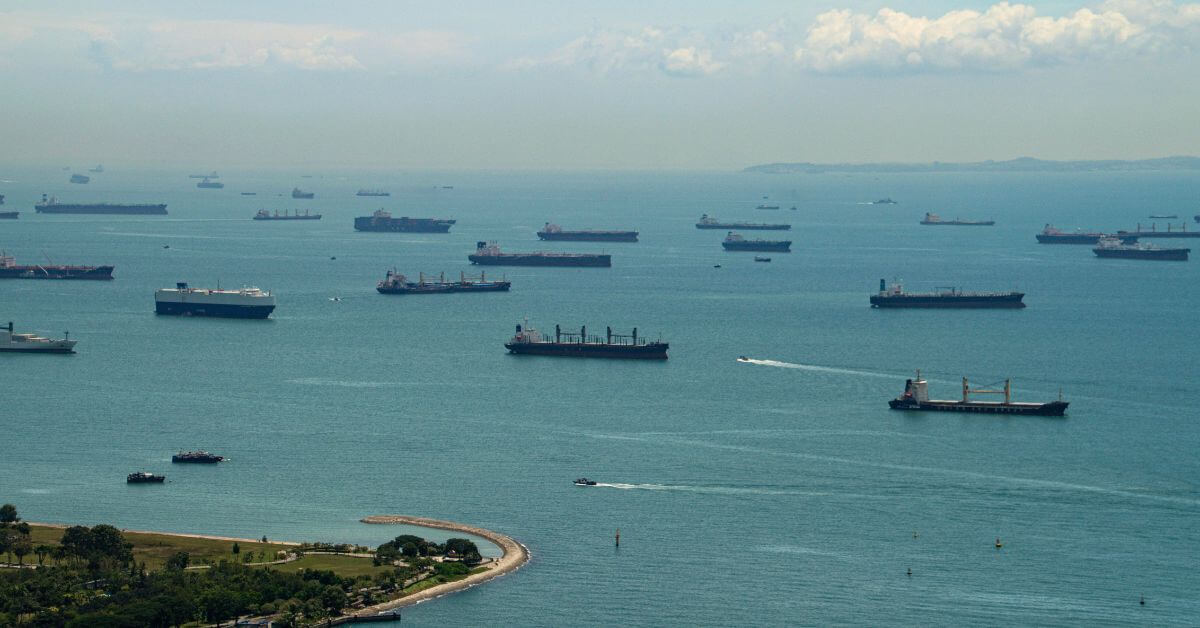
Ship-tracking data on Sunday showed at least 150 tankers, including crude oil and LNG carriers, anchored in open Gulf waters beyond the Strait of Hormuz. Dozens more vessels were stationary on the opposite side of the chokepoint.
Satellite data also showed vessels accumulating near key UAE ports such as Fujairah.
Several tanker owners, oil majors and trading houses have suspended shipments of crude oil, refined fuel and liquefied natural gas through the narrow waterway.
The security situation deteriorated further after at least three tankers were damaged off the Gulf coast. One seafarer was killed.
Cargo war risk insurers, which cover goods such as oil and grain carried on tankers, are preparing to cancel policies and renegotiate coverage at higher rates.
The Strait of Hormuz carries about 20% of the world’s crude oil, along with large LNG exports from the Middle East. Any long disruption could push up energy prices and increase shipping and insurance costs globally.
War risk premiums directly increase voyage expenses for tanker operators. Those higher costs are often passed down the supply chain, affecting charter rates and commodity prices.
References: Reuters, LiveMint
Source: Maritime Shipping News